



Preparing for pharma competitive exams like GPAT, NIPER, Drug Inspector, Pharmacist Recruitment, ESIC, AIIMS, and other government exams can become stressful when students face non-pharma subjects. Many pharmacy aspirants find subjects like Anatomy, Physiology, Biochemistry, Microbiology, Reasoning, and General Aptitude difficult because they are more theoretical and require regular revision.
But the good news is — non-pharma subjects are actually among the easiest scoring sections if studied with the right strategy.
In this blog, you’ll learn simple and effective methods to study non-pharma subjects easily for pharma competitive exams.
Why Students Struggle with Non-Pharma Subjects
Most students face problems because:
- They try to memorize everything.
- They don’t revise regularly.
- They ignore diagrams and flowcharts.
- They study theory without MCQ practice.
- They don’t make short notes.
Non-pharma subjects become easy once concepts are understood properly.

Best Ways to Study Non-Pharma Subjects Easily
1. Understand Concepts Instead of Rattafication
The biggest mistake students make is mugging up theory.
Instead:
- Understand the concept first.
- Learn the logic behind processes.
- Use examples from daily life.
For example:
- In physiology, understand how organs function.
- In biochemistry, connect pathways with body functions.
- In microbiology, relate diseases with microorganisms.
Concept-based learning improves memory retention.
2. Study One Topic at a Time
Don’t study complete subjects in one go.
Break subjects into small topics like:
- Cell structure
- Blood circulation
- Enzymes
- Immunity
- Pathogens
Small-topic study reduces stress and increases focus.
3. Use Diagrams, Charts & Flowcharts
Non-pharma subjects are easier when learned visually.
Use:
- Flowcharts
- Tables
- Mnemonics
- Color notes
- Diagrams
Visual learning helps remember topics for longer periods.
4. Make Smart Short Notes
Prepare handwritten notes containing:
- Important points
- Keywords
- Definitions
- Formulas
- One-line concepts
Keep notes concise for quick revision before exams.
5. Practice MCQs Daily
MCQ practice is extremely important for competitive exams.
Daily targets:
- 20–30 MCQs from one topic
- Analyze mistakes
- Revise wrong questions
Benefits:
- Improves speed
- Enhances accuracy
- Builds confidence
- Identifies weak areas
6. Focus on High-Weightage Topics
Instead of studying everything deeply, focus more on important topics frequently asked in exams.
Important Non-Pharma Topics
Anatomy & Physiology
- Heart
- Nervous system
- Digestive system
- Endocrine glands
Biochemistry
- Enzymes
- Vitamins
- Metabolism
- Protein synthesis
Microbiology
- Bacteria
- Viruses
- Sterilization
- Immunology
Aptitude
- Percentage
- Profit & Loss
- Time & Work
- Ratio
Studying important topics first saves time.
7. Use the 45-Minute Study Rule
Studying continuously for hours reduces concentration.
Best method:
- Study for 45 minutes
- Take a 10-minute break
- Resume again
This improves focus and prevents burnout.
8. Revise Weekly
Without revision, theoretical subjects are easily forgotten.
Weekly revision strategy:
- Sunday = Revision Day
- Revise short notes
- Solve previous MCQs
- Review weak topics
Regular revision improves long-term memory.
9. Solve Previous Year Papers
Previous year papers help understand:
- Exam pattern
- Important topics
- Repeated questions
- Difficulty level
Many pharmacist exams repeat concepts from older papers.
10. Study from Limited Resources
Avoid studying from too many books.
Choose:
- One standard book
- One MCQ book
- One notes source
Multiple resources create confusion and waste time.
Easy Subject-Wise Preparation Tips
Human Anatomy & Physiology
- Study diagrams carefully
- Focus on functions
- Learn flow sequences
Biochemistry
- Use pathways charts
- Remember cycles through mnemonics
Microbiology
- Prepare microorganism tables
- Learn disease associations
Pharmaceutical Jurisprudence
- Revise schedules daily
- Focus on acts and rules
Aptitude & Reasoning
- Practice daily
- Improve calculation speed
Best Study Materials for Non-Pharma Subjects
Recommended Books
Anatomy & Physiology
- Sembulingam
Biochemistry
- Satyanarayana
Microbiology
- KD Tripathi Notes / Standard Microbiology Books
Aptitude
- RS Aggarwal
Pharmacist Exam MCQs
- Previous Year Question Banks
Common Mistakes to Avoid
- Studying without revision
- Ignoring MCQs
- Using too many resources
- Memorizing without understanding
- Skipping weak subjects
Avoiding these mistakes can improve your score quickly.
Daily Study Plan for Non-Pharma Subjects
| Time | Activity |
|---|---|
| 45 Minutes | Theory Study |
| 30 Minutes | MCQ Practice |
| 15 Minutes | Revision |
| 10 Minutes | Short Notes |
Consistency is more important than long study hours.
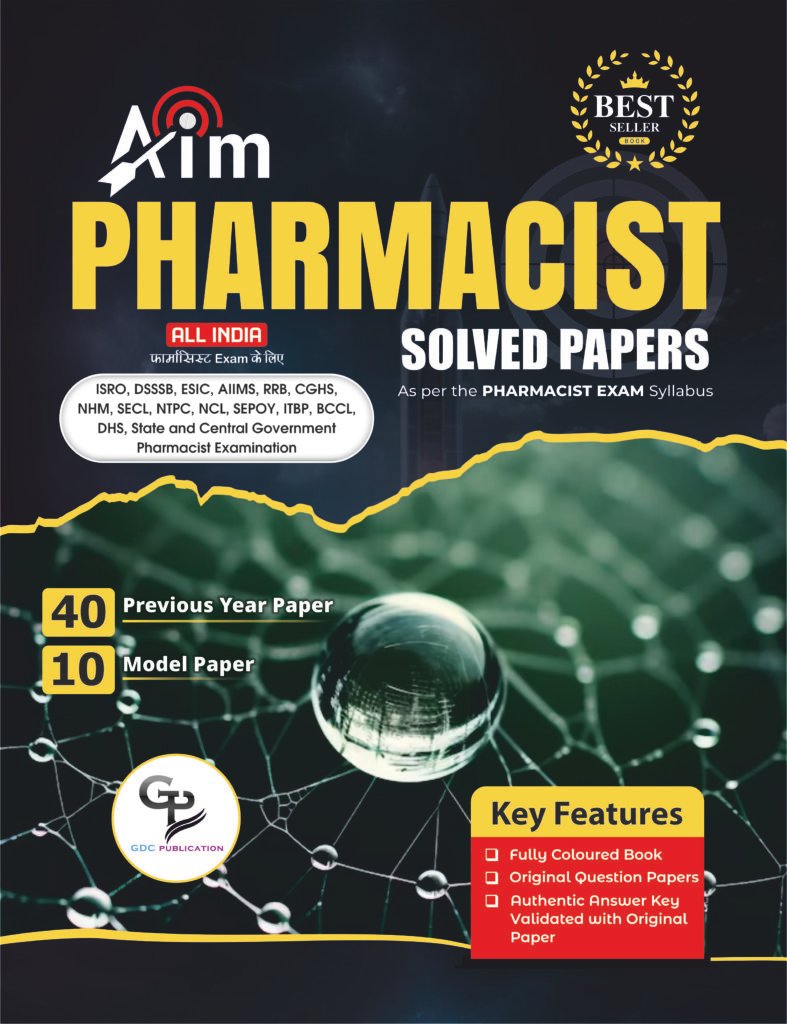
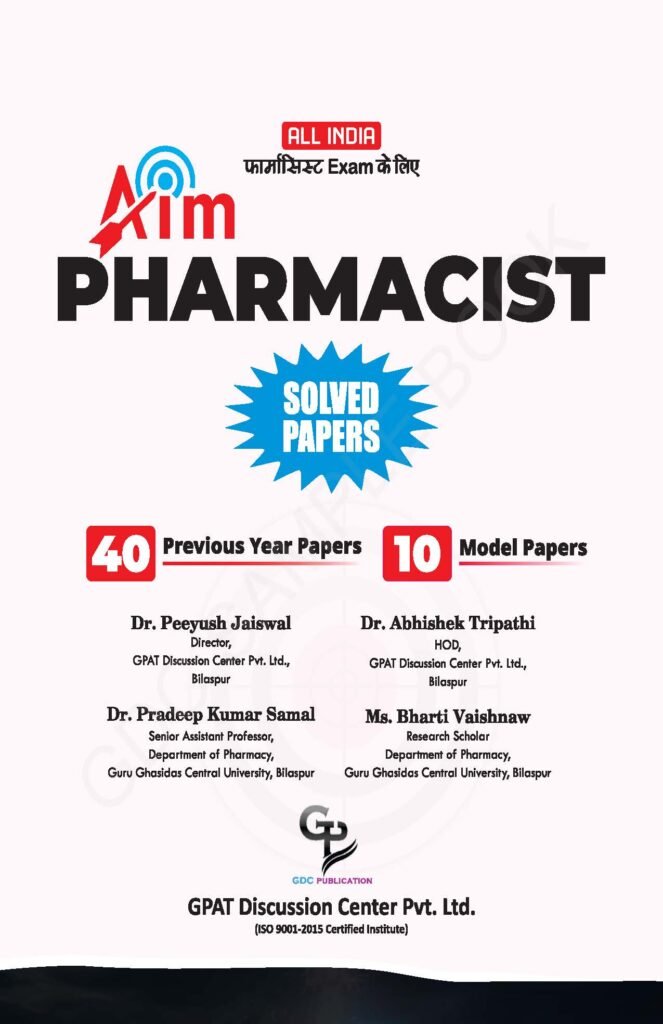
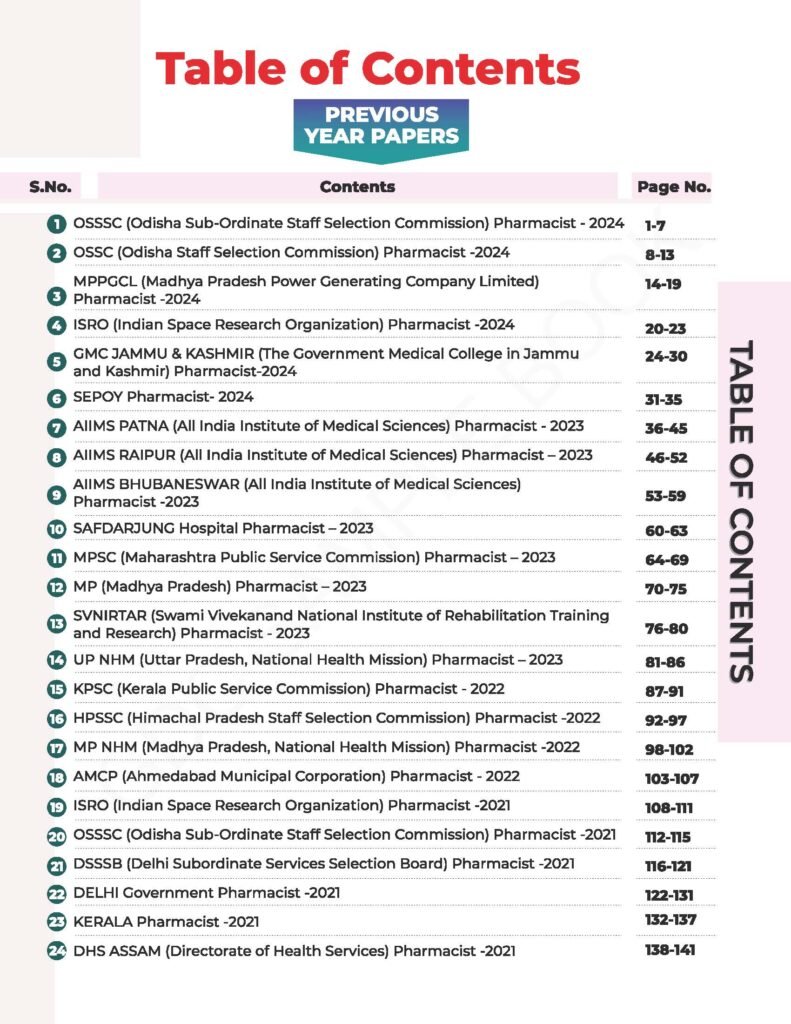
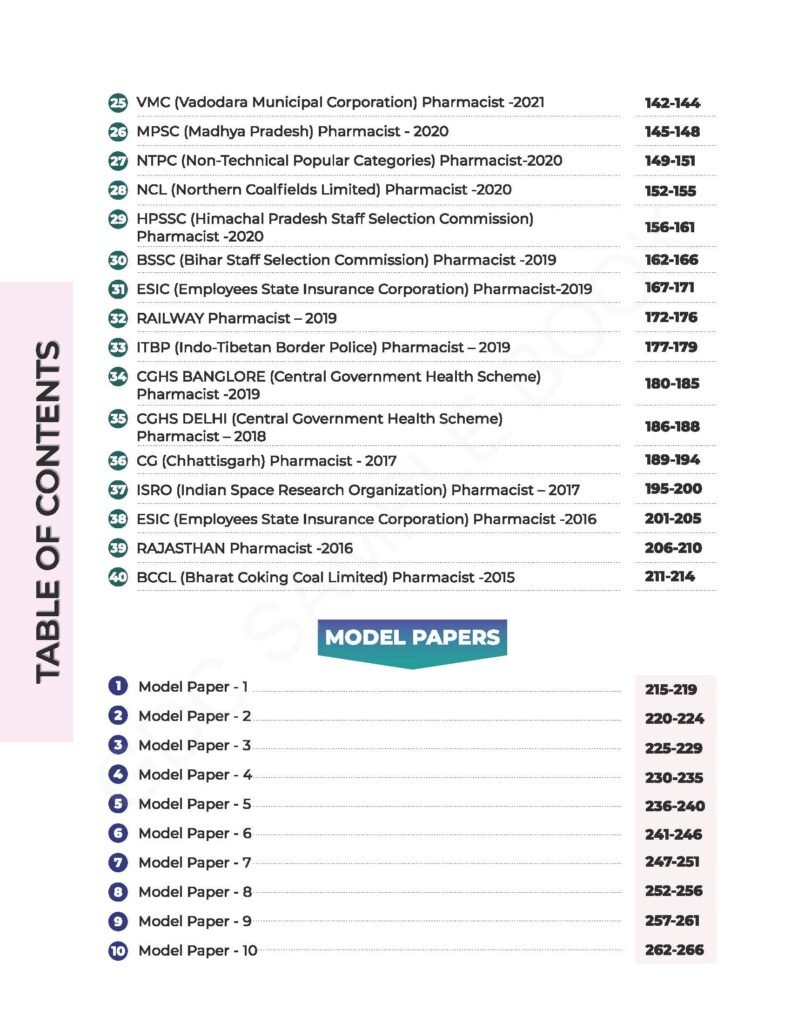
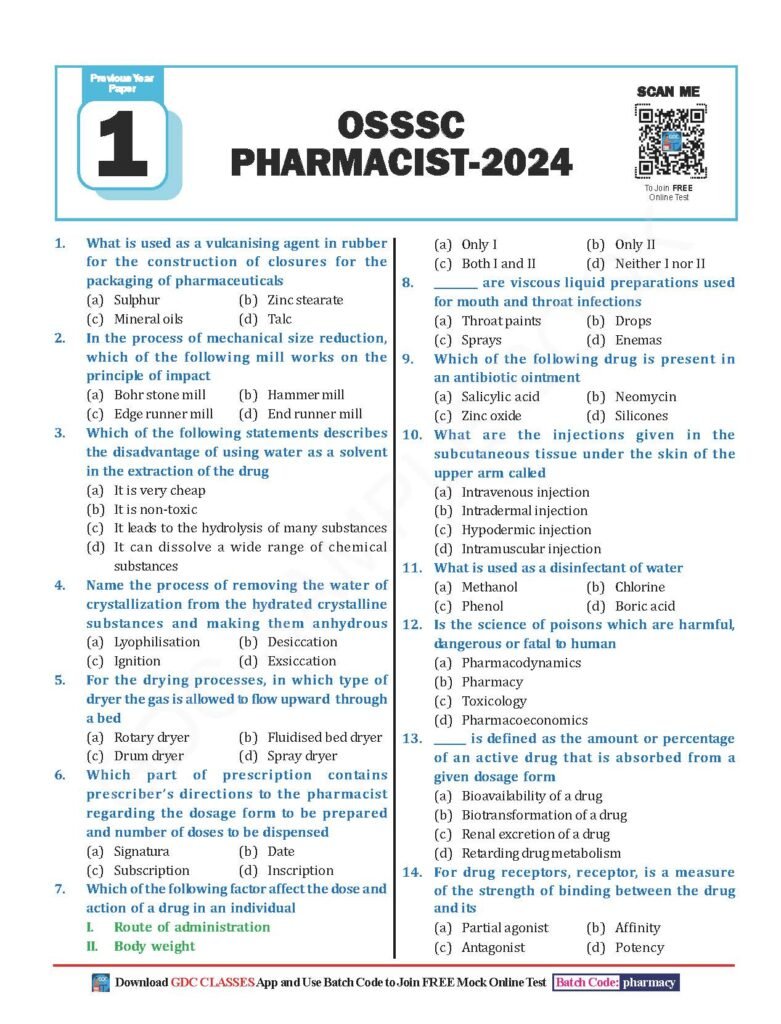
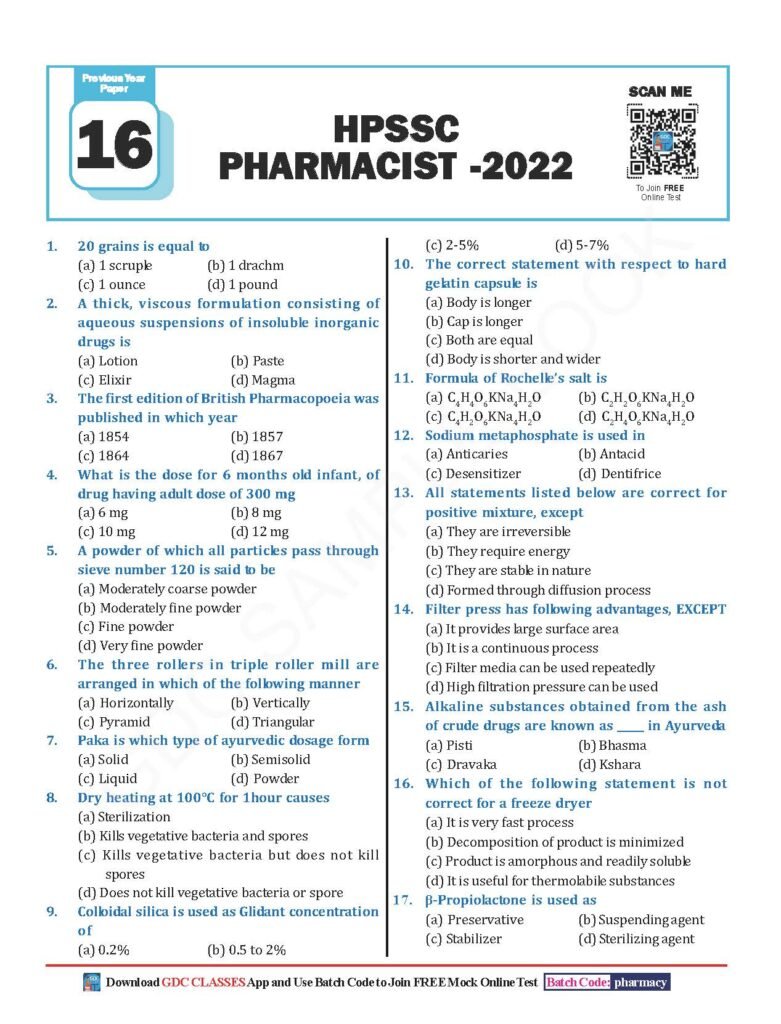
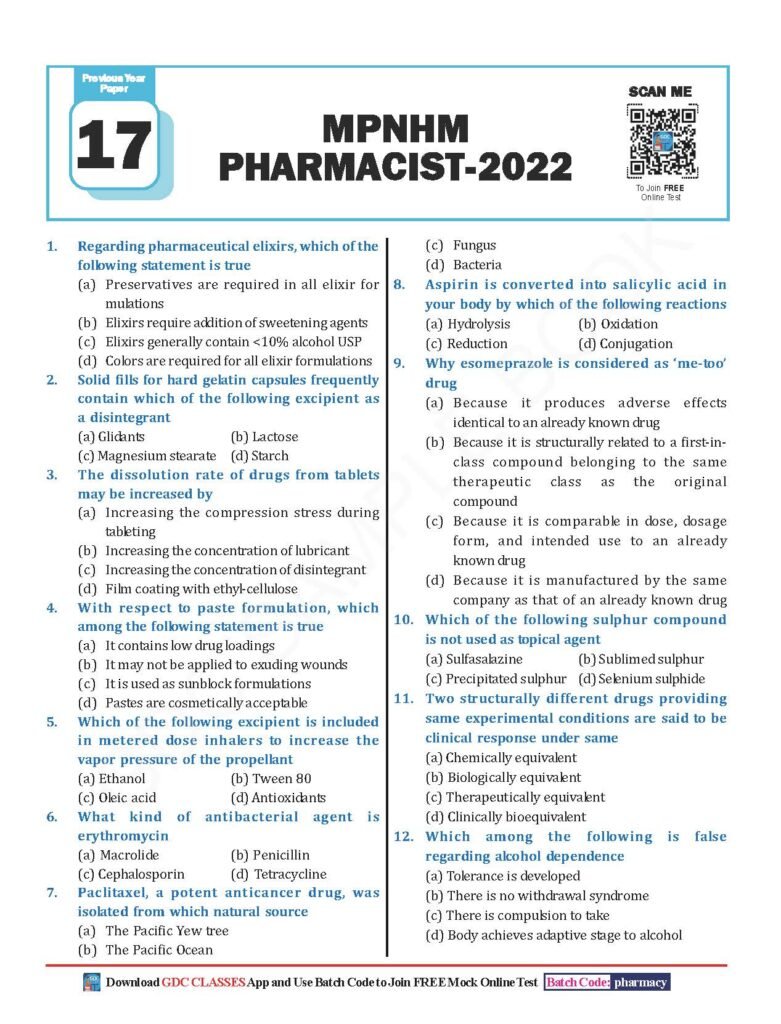
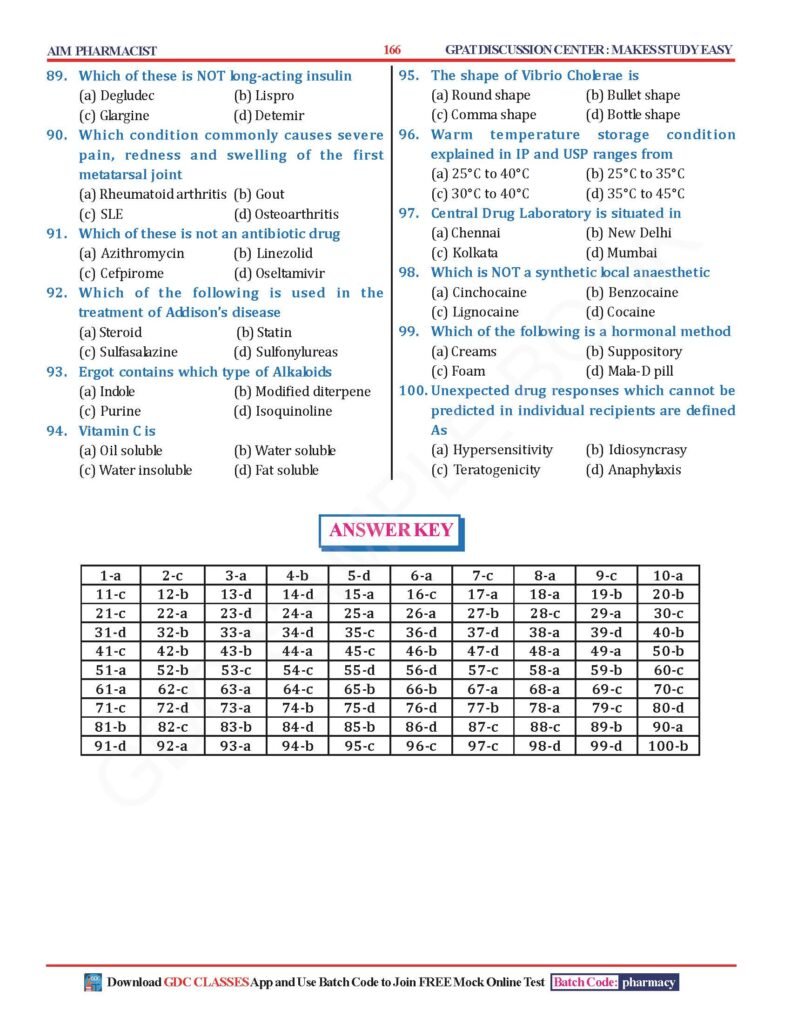
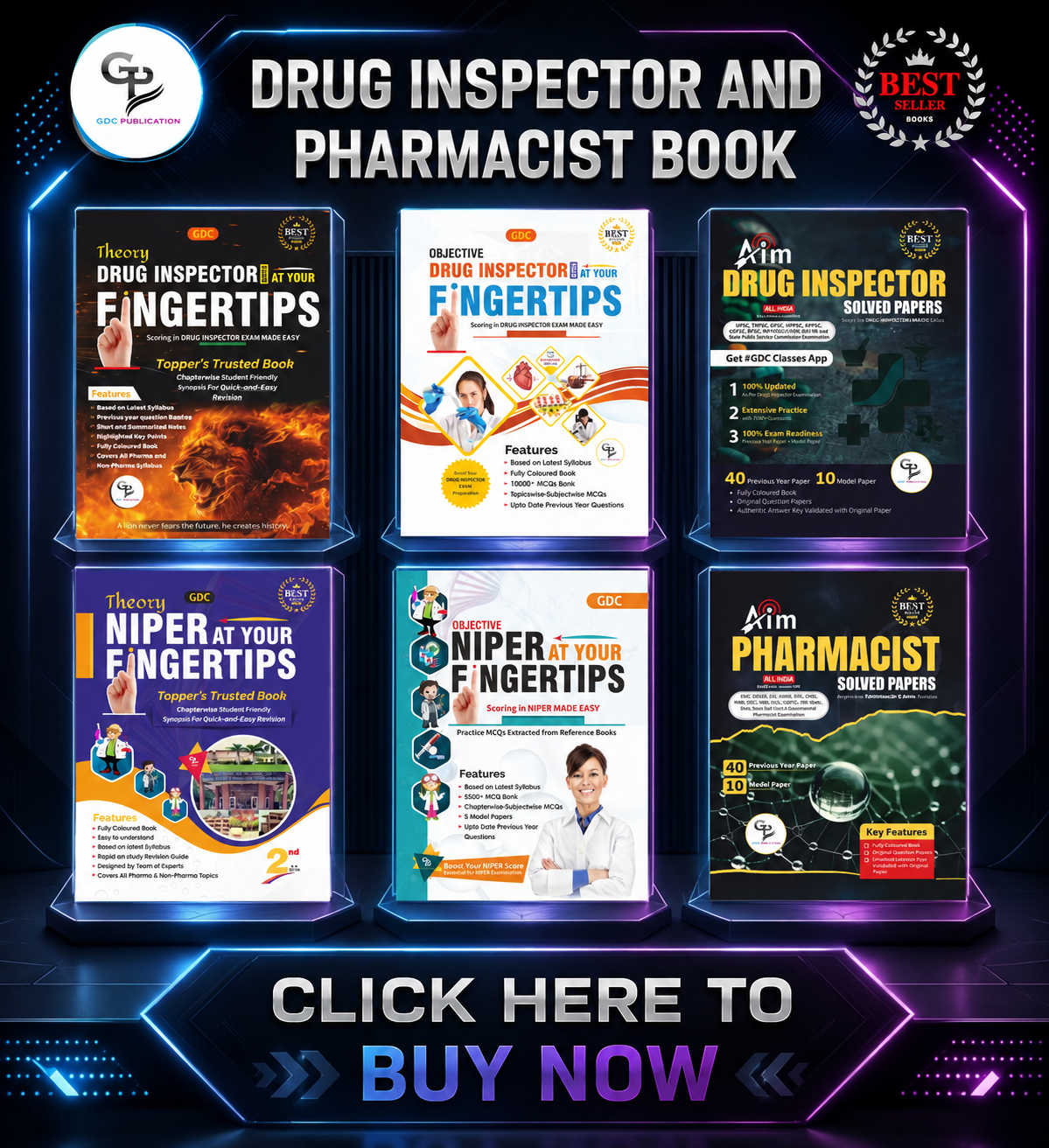
AIM PHARMACIST : PRACTICE MCQ QUESTION PAPERS & PREVIOUS YEARS EXAM PAPERS(HARD COPY BOOK)
ISBN: 978-81-973484-5-7
No. of Pages: 300
Publisher Name: GDC Publications
Author Name: GDC Editorial Board
Binding: Paperback
Final Tips for Success
- Stay consistent.
- Focus on concepts.
- Practice daily MCQs.
- Revise weekly.
- Keep short notes handy.
- Stay positive and disciplined.
Non-pharma subjects are actually scoring subjects when prepared smartly.
Conclusion
Studying non-pharma subjects for pharma competitive exams becomes easy when you follow a smart preparation strategy. Instead of memorizing everything, focus on concepts, regular revision, MCQ practice, and limited study resources.
With consistency and the right approach, you can master non-pharma subjects and improve your overall exam performance significantly.
Prepare smart, stay confident, and success will follow.
Best wishes for your GPAT & Pharmacist Competitive Exam Preparation!
Recommended Products