



Meta Title: B.Pharm Course 2026 Major Changes | No Year Back System Explained
Meta Description: Learn about the latest reported changes in the B.Pharm course, including the proposed removal of the year-back system, revised examination pattern, and what these reforms could mean for pharmacy students.

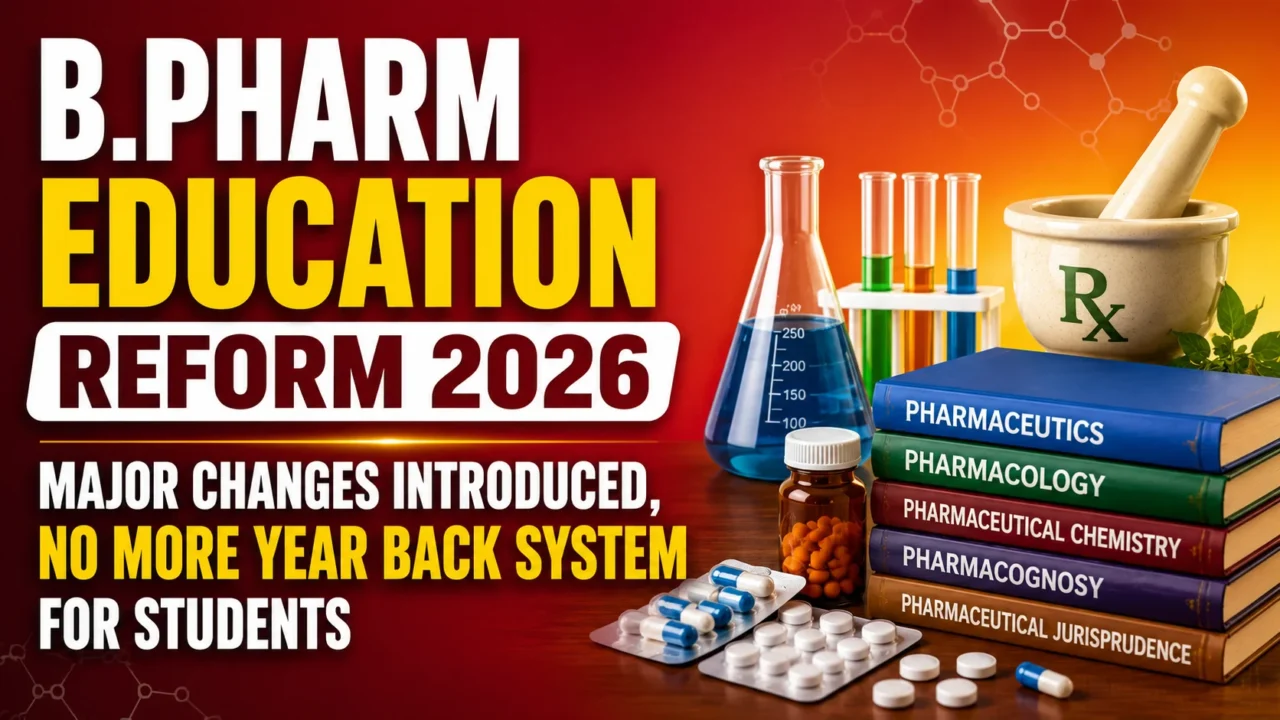
B.Pharm Education Reform 2026: Major Changes Introduced, No More Year Back System for Students
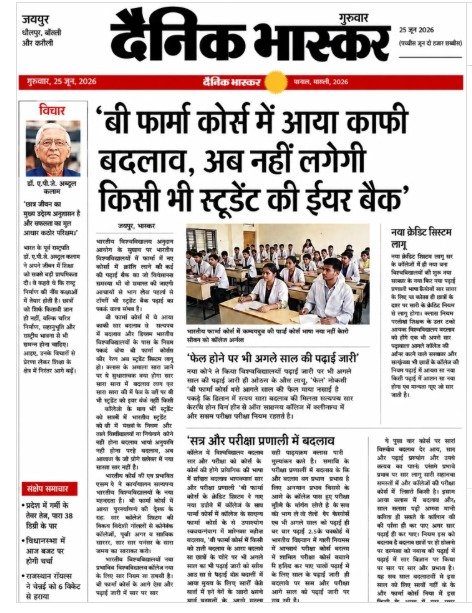
The pharmacy education system in India is undergoing significant changes aimed at making learning more student-friendly, skill-oriented, and aligned with modern healthcare requirements. According to the news report shown in the image, one of the biggest highlights is the proposed removal of the traditional “Year Back” system for B.Pharm students, along with changes to the examination and academic structure.
If implemented by the respective regulatory authorities and universities, these reforms could improve academic flexibility while maintaining educational standards.
Note: Students should always verify such updates through official notifications issued by the relevant regulatory authority, university, or institution before relying on them.
What Is the Year Back System?
Under the traditional B.Pharm system, students who failed to clear certain subjects often had to repeat an entire academic year before progressing to the next level. This resulted in:
- Delay in course completion
- Additional academic pressure
- Financial burden
- Loss of confidence among students
The proposed reform seeks to reduce these challenges by offering a more flexible academic progression system.
Key Highlights of the Proposed Changes
1. No More Year Back System
The most discussed reform is the removal of the year-back system, allowing students to continue their studies while clearing pending subjects according to the revised academic regulations.
Expected Benefits
- Reduced academic delays
- Faster degree completion
- Lower dropout rates
- Improved student motivation
2. Revised Examination Pattern
The report also indicates changes in the examination system to make assessment more balanced.
Possible improvements may include:
- Continuous internal assessment
- Semester-based evaluation
- Better practical assessment
- More focus on understanding concepts instead of rote learning
3. Greater Focus on Practical Skills
Modern pharmacy education increasingly emphasizes practical knowledge.
Students may receive additional exposure to:
- Hospital Pharmacy
- Community Pharmacy
- Clinical Pharmacy
- Pharmaceutical Industry
- Drug Regulatory Affairs
- Patient Counseling
4. Industry-Oriented Curriculum
The updated curriculum is expected to better prepare graduates for careers in:
- Pharmaceutical Manufacturing
- Quality Assurance
- Quality Control
- Regulatory Affairs
- Pharmacovigilance
- Clinical Research
- Drug Inspection
- Government Pharmacy Services
How Will These Changes Benefit Students?
If adopted widely, the reforms could provide several advantages:
- Reduced academic stress
- Improved learning flexibility
- Better career opportunities
- Enhanced practical training
- Stronger industry readiness
- Improved employability after graduation
What Should Current B.Pharm Students Do?
Students should:
- Continue focusing on their regular studies.
- Stay updated through official university notices.
- Regularly check announcements from the relevant pharmacy education authorities.
- Avoid relying solely on social media posts or unofficial reports.
Career Opportunities After B.Pharm
A B.Pharm degree opens doors to careers such as:
- Drug Inspector
- Pharmacist
- Medical Representative
- Regulatory Affairs Executive
- Production Pharmacist
- Quality Assurance Officer
- Clinical Research Associate
- Pharmacovigilance Associate
- Hospital Pharmacist
- Government Pharmacist
Frequently Asked Questions (FAQs)
Is the Year Back system officially removed across India?
The image reports that major changes have been announced. However, implementation may vary depending on official regulations and university policies. Students should confirm through official notifications before assuming the change applies to their institution.
Will these changes affect current students?
That depends on the implementation guidelines issued by the respective university or regulatory authority. Existing students should wait for official circulars.
Will the B.Pharm syllabus also change?
Curriculum revisions may accompany academic reforms, but students should refer to official notifications for confirmed details.
Conclusion
The reported reforms in B.Pharm education, especially the proposed removal of the year-back system, represent a significant step toward creating a more flexible and student-centric academic environment. Combined with improvements in assessment methods and practical training, these changes have the potential to enhance the overall quality of pharmacy education in India.
Until official implementation guidelines are released, students should continue preparing according to their current university regulations and verify every major academic update through official sources.
Recommended Products