


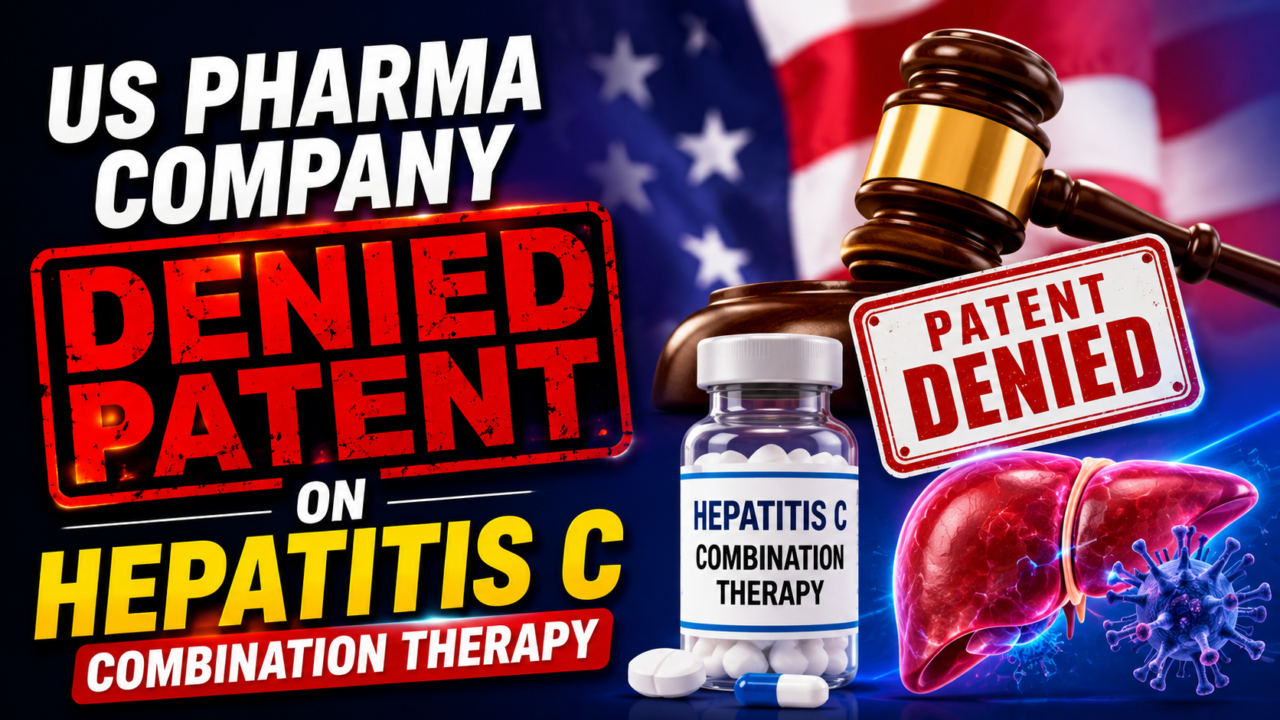

In a major development for the pharmaceutical industry, an American pharmaceutical company has reportedly been denied a patent in India for its hepatitis C combination therapy. The decision has once again highlighted India’s strict patent laws and its continued focus on balancing innovation with affordable healthcare access.
The move is being closely watched by global pharmaceutical companies, healthcare experts, and generic drug manufacturers because hepatitis C treatment remains one of the most important areas in global healthcare.

What is Hepatitis C?
Hepatitis C is a viral infection that mainly affects the liver. If not treated properly, it can lead to serious complications such as:
- Liver cirrhosis
- Liver failure
- Liver cancer
The disease affects millions of people worldwide, and modern antiviral combination therapies have significantly improved cure rates over the last decade.
Why Was the Patent Denied?
According to reports, the Indian patent authority rejected the patent application related to a combination therapy for hepatitis C treatment.
The rejection was reportedly based on provisions under Indian patent law that prevent companies from obtaining patents for minor modifications or combinations unless they demonstrate significant therapeutic improvement or innovation.
India’s patent system is designed to prevent “evergreening,” a practice where pharmaceutical companies attempt to extend monopoly rights through small changes to existing drugs.
This legal framework aims to:
- Promote affordable medicines
- Encourage generic competition
- Protect public health interests
Importance of India’s Patent Laws
India is known globally for its strong generic pharmaceutical industry. The country supplies affordable medicines to many developing nations and is often called the “pharmacy of the world.”
Indian patent laws are structured to:
- Support innovation
- Prevent unnecessary monopolies
- Improve medicine accessibility
- Reduce treatment costs
Section 3(d) of the Indian Patents Act plays a major role in patent-related decisions, especially in the pharmaceutical sector.
Impact on Pharmaceutical Companies
Patent rejections can affect multinational pharmaceutical companies in several ways:
1. Increased Generic Competition
Without patent protection, Indian generic manufacturers may be able to produce lower-cost versions of the therapy.
2. Reduced Market Exclusivity
Patent protection usually gives companies exclusive marketing rights for a specific period. Denial reduces that advantage.
3. Pricing Pressure
Generic competition often lowers medicine prices significantly, making treatment more affordable for patients.

Positive Impact for Patients
For patients, especially in low- and middle-income countries, such decisions can improve access to life-saving medicines.
Benefits may include:
- Lower treatment costs
- Better medicine availability
- Wider access to hepatitis C therapy
- Increased affordability through generic drugs
Affordable treatment is extremely important because hepatitis C therapies are often expensive in many countries.
India’s Role in Global Healthcare
India has consistently played an important role in producing affordable medicines for diseases such as:
- HIV/AIDS
- Tuberculosis
- Cancer
- Hepatitis
Indian pharmaceutical companies export generic medicines worldwide, helping millions of patients access treatment at lower prices.
This latest patent decision further reinforces India’s public health-focused approach.
Reactions from the Pharmaceutical Industry
Patent-related decisions often create debate between:
- Global pharmaceutical innovators
- Generic drug manufacturers
- Public health advocates
Research-based companies argue that patents are necessary to recover research and development investments.
On the other hand, healthcare activists and generic manufacturers believe that affordable medicines should remain accessible to the public.
Balancing innovation and affordability continues to be a major challenge for healthcare systems worldwide.
Future Implications
The patent rejection may influence future pharmaceutical patent applications in India, especially for:
- Combination therapies
- Modified formulations
- Incremental innovations
Companies may now need to provide stronger scientific evidence showing enhanced therapeutic effectiveness before receiving patent protection.
Conclusion
The denial of a patent for a hepatitis C combination therapy by Indian authorities highlights the country’s strict approach toward pharmaceutical patents and public healthcare protection.
While multinational pharmaceutical companies may view such decisions as challenging, many healthcare experts believe these measures help improve access to affordable medicines for millions of patients.
As the pharmaceutical industry continues to evolve, the balance between innovation, intellectual property rights, and public health will remain a critical global discussion.
Recommended Products