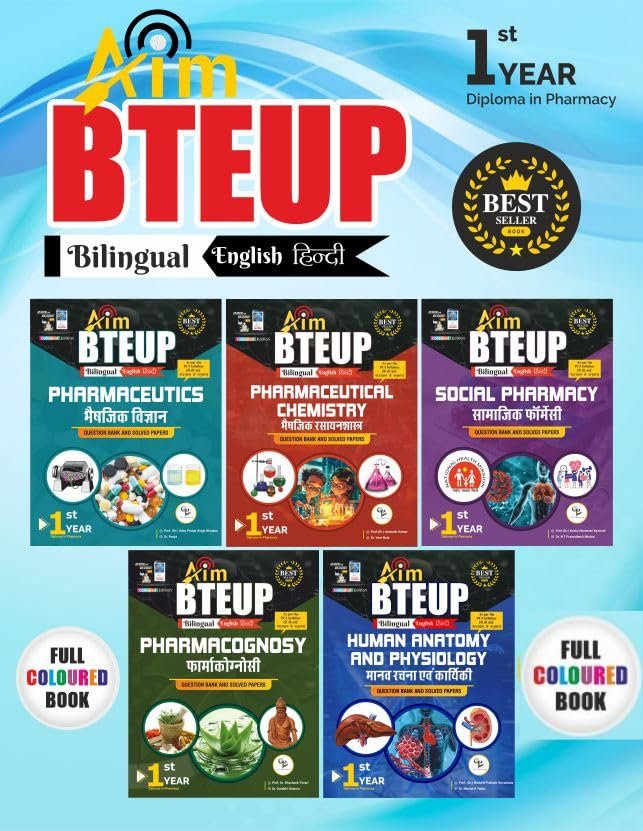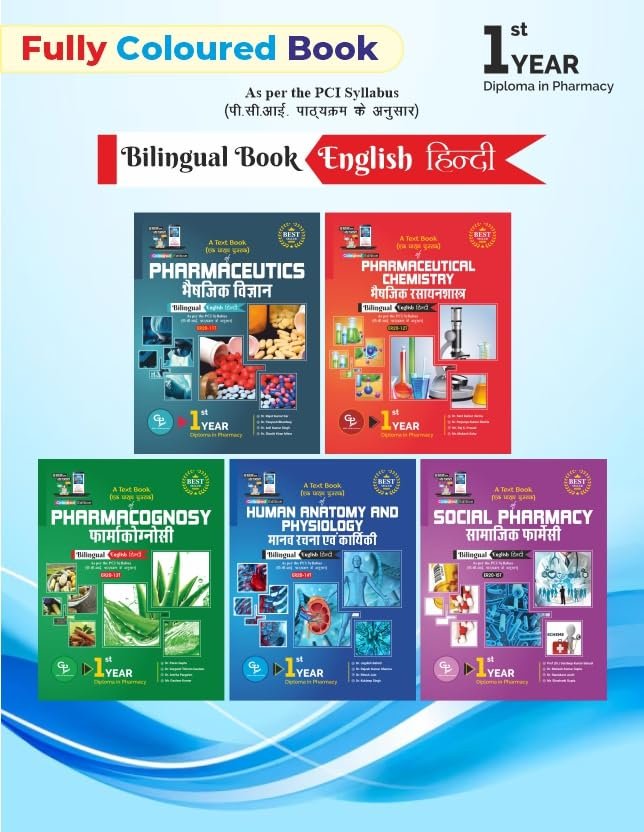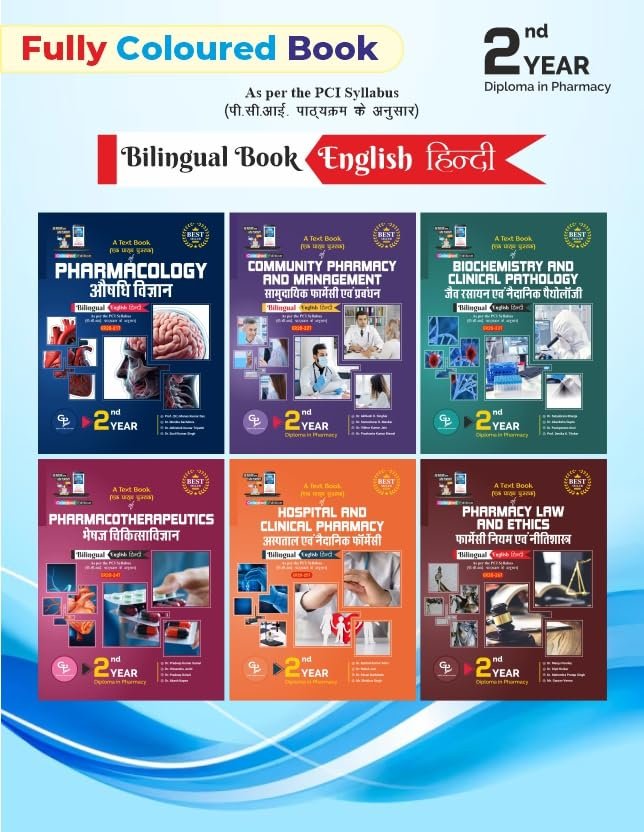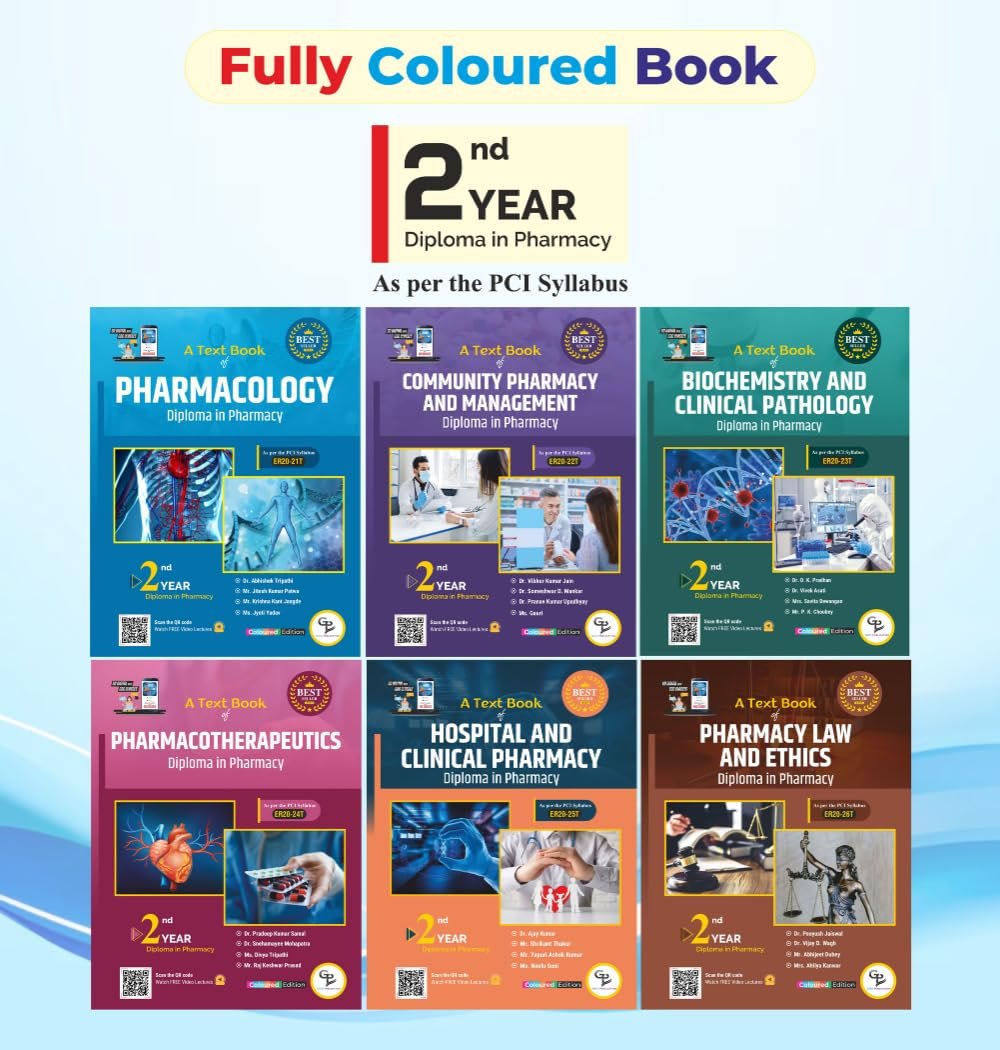


Preparing for a Government Pharmacist Exam requires more than hard work—it requires the right strategy. The Government Pharmacist Exam Strategy 2026 based on the P.R.E.S.C.R.I.P.T.I.O.N. Framework helps candidates prepare systematically through planning, revision, mock tests, active learning, and performance tracking to maximize their chances of selection.
Government Pharmacist Exam Strategy 2026
Thousands of pharmacy graduates appear every year for competitive examinations such as AIIMS CRE, RRB Pharmacist, ESIC, CGHS, DSSSB, NHM, State Pharmacist Recruitment, and Medical College Pharmacist exams. However, only a small percentage secure selection because success depends not only on knowledge but also on having a structured preparation plan.
The Government Pharmacist Exam Strategy 2026 introduces the P.R.E.S.C.R.I.P.T.I.O.N. Framework, a practical 10-step system that helps candidates study smarter, revise scientifically, improve accuracy, and perform confidently in the examination.
If you are a B.Pharm, D.Pharm, Pharm.D, or M.Pharm student preparing for government pharmacist jobs, this roadmap will help you stay organized from your first day of preparation until the final exam.
Government Pharmacist Exam Strategy 2026 Overview
| Particular | Details |
|---|---|
| Strategy Name | P.R.E.S.C.R.I.P.T.I.O.N Framework |
| Suitable For | B.Pharm, D.Pharm, Pharm.D, M.Pharm |
| Target Exams | AIIMS CRE, RRB, ESIC, CGHS, DSSSB, NHM, State Pharmacist |
| Focus | Smart Preparation |
| Method | Planning + Revision + Mock Tests + Active Recall |
| Goal | Government Pharmacist Selection |

What is the P.R.E.S.C.R.I.P.T.I.O.N. Framework?
The word P.R.E.S.C.R.I.P.T.I.O.N. represents ten important preparation habits that every successful Government Pharmacist aspirant should follow.
| Letter | Meaning |
|---|---|
| P | Plan the Exam |
| R | Rank the Subjects |
| E | Extract High-Yield Content |
| S | Study Using Active Learning |
| C | Create an Error System |
| R | Revise Scientifically |
| I | Improve via Mock Tests |
| P | Performance Dashboard |
| T | Test Your Memory |
| I | Improve Exam Temperament |
This framework provides a step-by-step roadmap from syllabus analysis to final revision.
P – Plan the Exam
Before starting your preparation, understand the examination completely.
Know the following:
- Official syllabus
- Exam pattern
- Total questions
- Marks distribution
- Negative marking
- Previous year trends
Choose the exams you want to target instead of preparing randomly.
R – Rank the Subjects
Not every subject carries equal marks.
Prioritize your preparation according to:
- Previous year questions
- Expected weightage
- Difficulty level
- Personal strengths and weaknesses
Generally, the highest-weightage subjects include:
- Pharmacology
- Pharmaceutics
- Pharmaceutical Chemistry
- Pharmacognosy
- Hospital Pharmacy
- Pharmaceutical Jurisprudence
Spend more time on high-scoring subjects.

E – Extract High-Yield Content
Avoid lengthy notes.
Instead, prepare concise revision sheets containing:
- Drug classifications
- Important formulas
- Mechanisms of action
- Schedules
- Important definitions
- Frequently asked facts
These notes become your final revision guide before the exam.
S – Study Using Active Learning
Reading alone is not enough.
Adopt active learning methods such as:
- Solving MCQs
- Teaching concepts aloud
- Flashcards
- Mind Maps
- Flowcharts
- Self-questioning
30-30-30 Rule
- 30 Minutes Study
- 30 Minutes MCQ Practice
- 30 Minutes Revision
This improves understanding and long-term retention.
C – Create an Error System
Every mistake teaches something valuable.
Maintain separate notebooks for:
Concept Errors
Topics you misunderstood.
Factual Errors
Drug schedules, formulas, classifications, important facts.
Careless Mistakes
Errors caused by haste or incorrect reading.
Review these notebooks every week.
R – Revise Scientifically
Use Spaced Repetition instead of random revision.
Suggested Revision Cycle:
| Revision | Day |
|---|---|
| First | Day 1 |
| Second | Day 3 |
| Third | Day 7 |
| Fourth | Day 15 |
| Fifth | Day 30 |
This method improves long-term memory.
I – Improve via Mock Tests
Mock tests simulate the real exam environment.
After every mock test:
- Analyze mistakes
- Improve weak subjects
- Revise immediately
- Track progress
- Improve speed and accuracy
Initially attempt one mock test every week, then increase the frequency closer to the exam.
P – Performance Dashboard
Track your preparation professionally.
Maintain records of:
| Parameter | Track Weekly |
|---|---|
| Subjects Completed | ✔ |
| Mock Scores | ✔ |
| Accuracy | ✔ |
| Revision Status | ✔ |
| Weak Topics | ✔ |
| Study Hours | ✔ |
Monitoring progress keeps you motivated and consistent.
T – Test Your Memory
Learning is complete only when you can recall information without looking at your notes.
Practice:
- Active Recall
- Flashcards
- Drug Classification Revision
- Self-testing
- Topic Explanation Without Notes
I – Improve Exam Temperament
Success depends on more than knowledge.
Practice:
- Time Management
- Stress Control
- Decision Making
- Confidence Building
- Calmness Under Pressure
Attempt full-length mock tests in a real exam environment.
Bonus Preparation Tips
To maximize your selection chances:
- Follow one standard book per subject.
- Solve Previous Year Question Papers regularly.
- Practice at least 100 MCQs daily after syllabus completion.
- Revise every weekend.
- Avoid changing study materials frequently.
- Stay updated with pharmacy and health-related current affairs.
- Maintain proper sleep and a healthy routine.
Common Mistakes to Avoid
Avoid these common preparation mistakes:
- Starting without reading the syllabus
- Ignoring previous year papers
- Studying without revision
- Depending only on videos
- Skipping mock tests
- Not analyzing mistakes
- Frequently changing books
- Comparing yourself with others
Why Should Pharmacy Students Follow This Strategy?
The P.R.E.S.C.R.I.P.T.I.O.N. Framework helps candidates:
- Study systematically
- Improve revision efficiency
- Increase accuracy
- Strengthen memory
- Track progress
- Reduce exam stress
- Build confidence
- Maximize selection chances
Frequently Asked Questions (FAQs)
1. What is the best Government Pharmacist Exam Strategy 2026?
The P.R.E.S.C.R.I.P.T.I.O.N. Framework is a structured 10-step strategy covering planning, revision, mock tests, and performance tracking.
2. Which exams does this strategy cover?
It is suitable for AIIMS CRE, RRB Pharmacist, ESIC, CGHS, DSSSB, NHM, State Pharmacist Recruitment, and Medical College Pharmacist exams.
3. How many hours should I study daily?
A focused 5–8 hours with active learning, revision, and MCQ practice is generally more effective than long, unstructured study sessions.
4. How important are mock tests?
Mock tests improve speed, accuracy, confidence, and time management while identifying weak areas.
5. What is the 30-30-30 Rule?
Study for 30 minutes, practice MCQs for 30 minutes, and revise for 30 minutes to improve retention.
6. What is Spaced Repetition?
It is a revision technique where topics are reviewed at increasing intervals such as Day 1, 3, 7, 15, and 30.
7. Why should I maintain an error notebook?
An error notebook helps you identify recurring mistakes and prevents repeating them during the actual exam.
8. Is this strategy useful for GPAT preparation?
Yes. Many techniques such as active recall, spaced repetition, mock tests, and error analysis are also highly effective for GPAT and other pharmacy entrance exams.
Conclusion
Success in Government Pharmacist examinations is the result of consistent preparation, disciplined revision, and smart strategy. The Government Pharmacist Exam Strategy 2026 using the P.R.E.S.C.R.I.P.T.I.O.N. Framework provides a complete roadmap—from understanding the syllabus to mastering revision, improving recall, tracking performance, and building exam confidence.
Remember, selection is not based on luck. It is achieved through a well-planned strategy, continuous practice, and consistent execution. Stay focused, trust the process, and keep moving toward your dream Government Pharmacist job.
Recommended Products