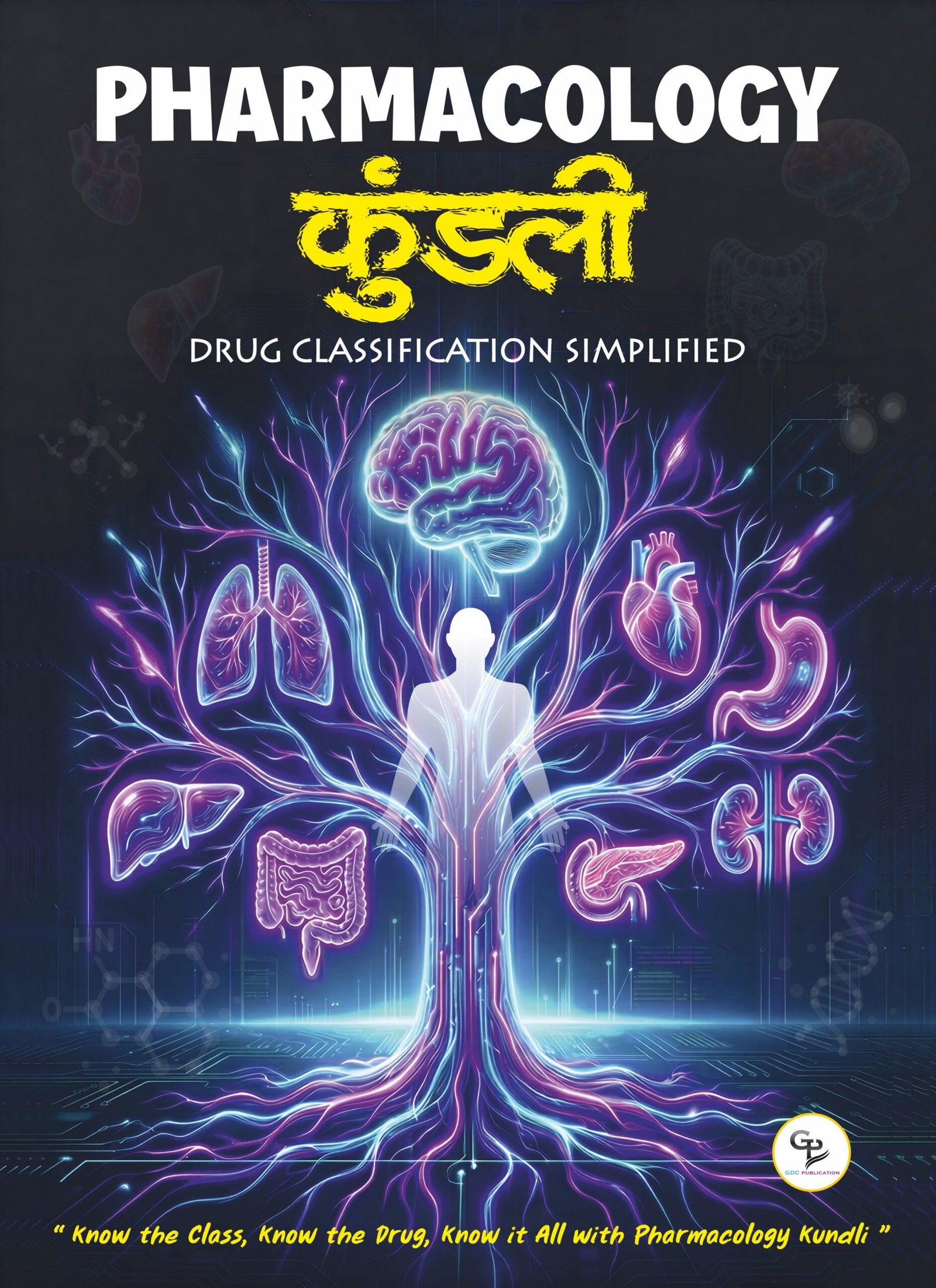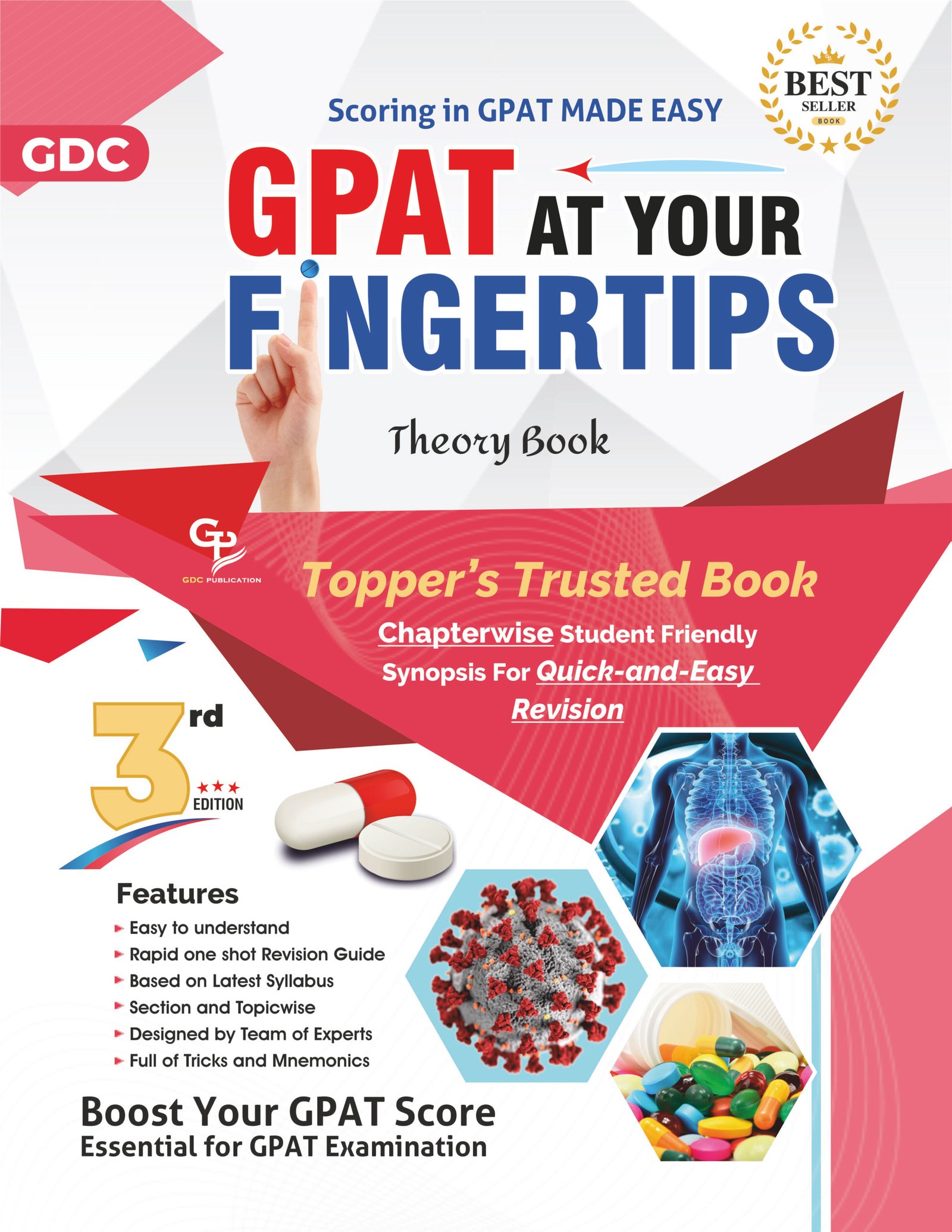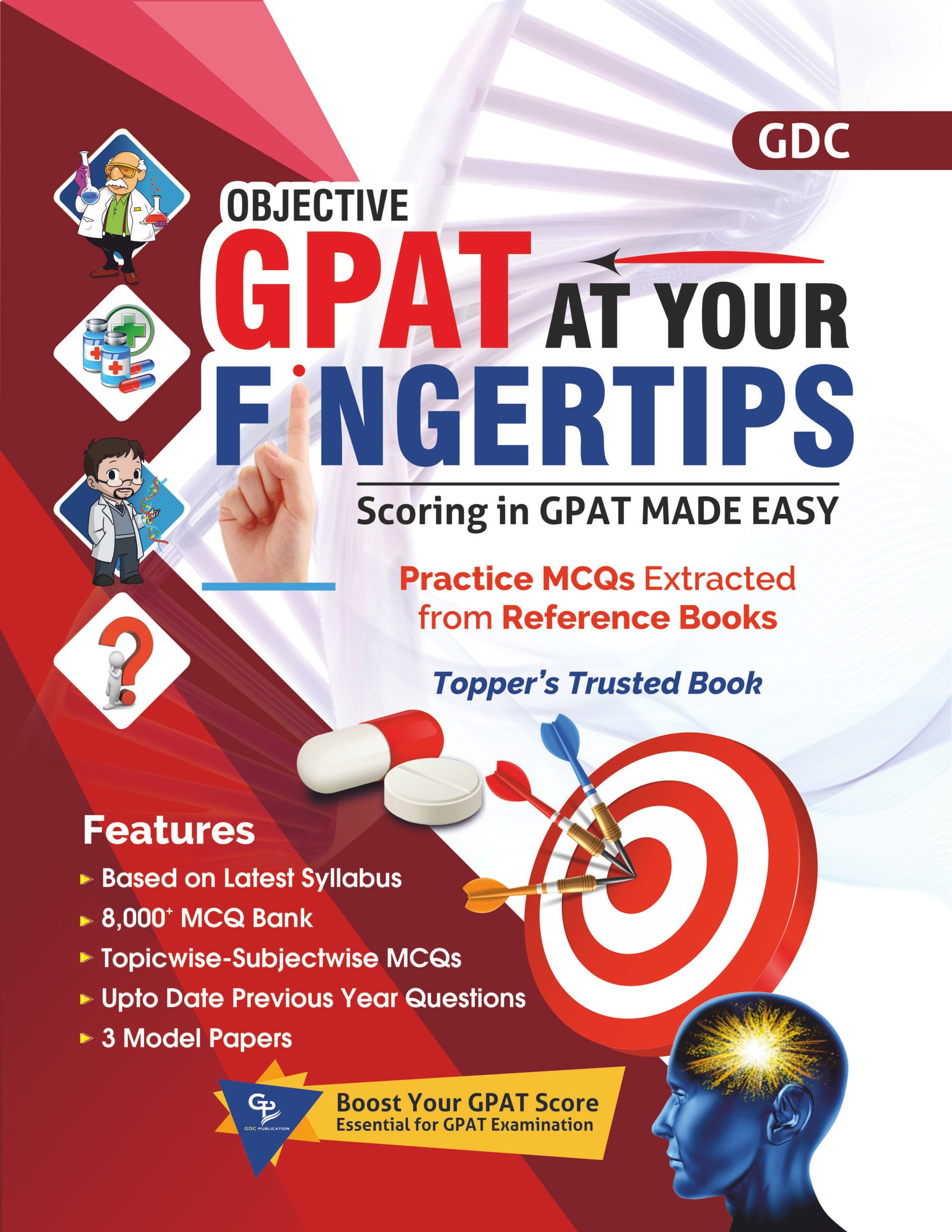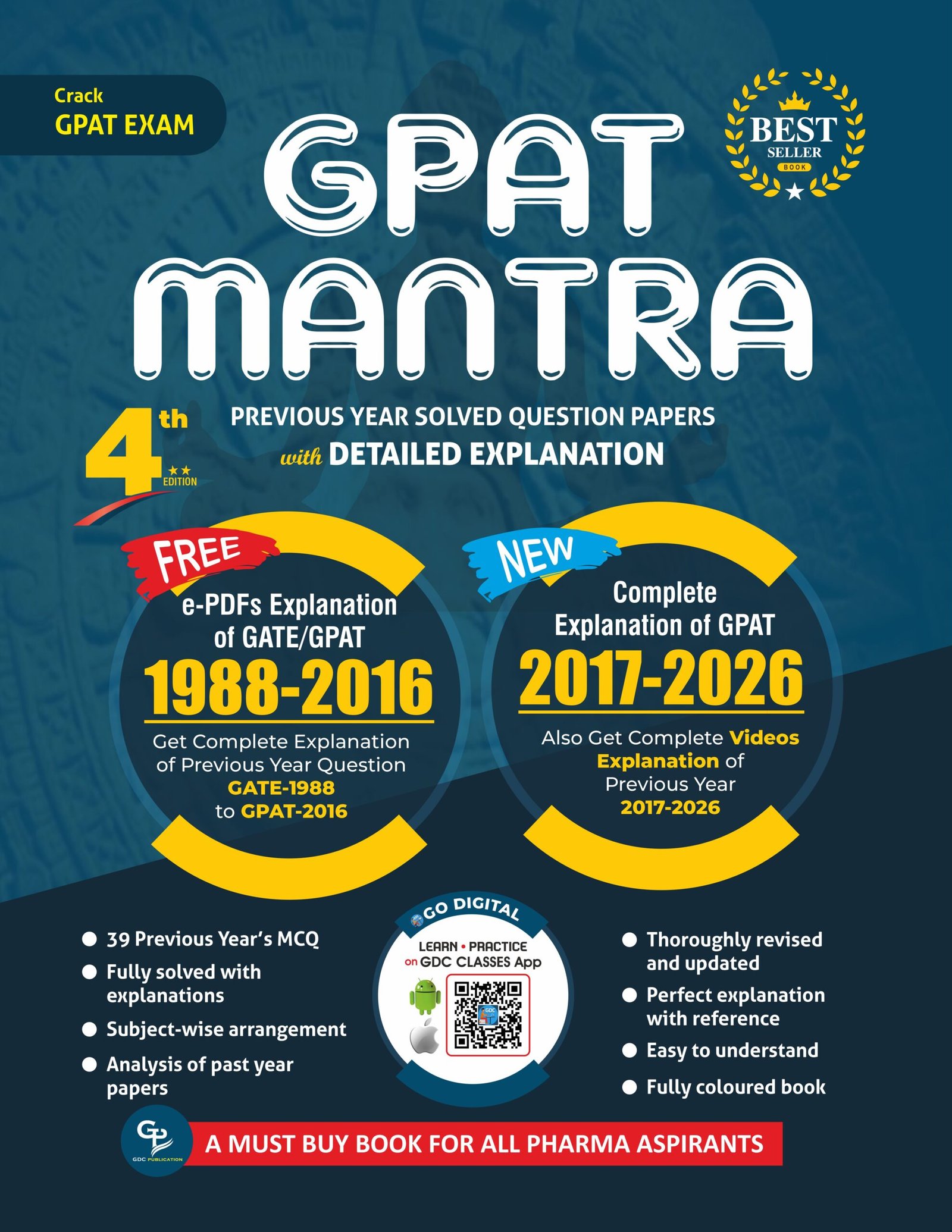


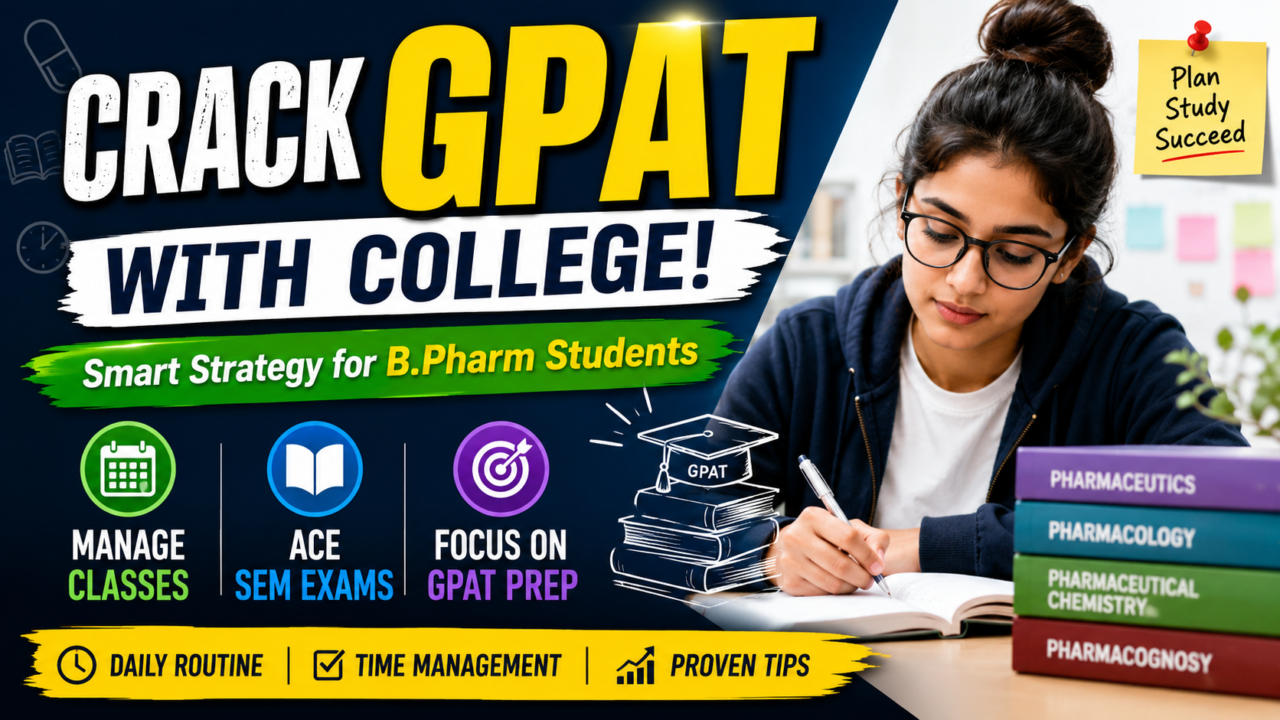

Preparing for the Graduate Pharmacy Aptitude Test (GPAT) while managing regular college studies can feel challenging for many B.Pharm students. Between lectures, practicals, assignments, semester exams, and attendance requirements, finding time for GPAT preparation often becomes difficult.
However, with the right strategy, consistency, and smart planning, it is completely possible to prepare effectively for GPAT alongside college studies. Many successful GPAT toppers started their preparation during college itself.
In this blog, we will discuss practical and effective ways to balance both without feeling overwhelmed.
Why Early GPAT Preparation Matters
Starting GPAT preparation during college gives you several advantages:
- Strong conceptual understanding over time
- Less pressure during final year
- Better revision opportunities
- More mock test practice
- Higher confidence before the exam
Since GPAT syllabus overlaps significantly with B.Pharm subjects, preparing simultaneously can actually improve your academic performance as well.

Understand the GPAT Syllabus First
Before starting preparation, carefully understand the GPAT syllabus. Major subjects include:
- Pharmaceutics
- Pharmaceutical Chemistry
- Pharmacology
- Pharmacognosy
- Pharmaceutical Analysis
- Biochemistry
- Microbiology
- Human Anatomy & Physiology
- Physical Pharmacy
Knowing the syllabus helps you align college subjects with GPAT preparation.
Create a Realistic Study Schedule
One of the biggest mistakes students make is creating unrealistic timetables. Instead of studying 10–12 hours daily, focus on consistency.
Suggested Daily Routine
On College Days
- 1–2 hours for GPAT preparation
- Revise class notes on the same day
- Practice MCQs before sleeping
On Weekends
- 5–6 focused study hours
- Full-length mock tests
- Revision of weak topics
Even studying 2 focused hours daily can produce excellent results over time.
Use College Subjects as GPAT Preparation
The smartest strategy is to study college subjects from a GPAT perspective.
For example:
- While studying Pharmacology in college, practice GPAT MCQs from the same topic.
- During Pharmaceutics practicals, revise important formulations and concepts.
- Make short notes during semester preparation that can later help in GPAT revision.
This dual approach saves time and reduces stress.
Focus More on Concepts Than Memorization
GPAT tests conceptual understanding rather than rote learning. Instead of only memorizing facts:
- Understand mechanisms of action
- Learn drug classifications logically
- Study pharmacology pathways visually
- Practice numerical problems regularly
Strong concepts help in both semester exams and GPAT.
Practice MCQs Regularly
MCQ practice is one of the most important parts of GPAT preparation.
Benefits include:
- Faster question-solving speed
- Better time management
- Improved accuracy
- Understanding exam patterns
- Identifying weak areas
Try solving:
- Topic-wise MCQs daily
- Previous year GPAT papers
- Weekly mock tests
Consistency matters more than quantity.
Make Short Notes for Revision
As college students already have heavy academic workloads, revision can become difficult later. Create concise notes while studying.
Your notes should include:
- Important formulas
- Drug classifications
- Key pharmacology points
- Important reactions
- Charts and flow diagrams
These notes become extremely useful during last-minute revision.
Avoid Burnout and Overstress
Many students try to study continuously for long hours and eventually lose motivation. Remember:
- Take short breaks
- Sleep properly
- Maintain healthy eating habits
- Avoid comparing yourself with others
- Stay consistent rather than perfect
Mental health and discipline are equally important for success.
Use Smart Resources Only
Do not collect too many books or courses. Stick to limited and reliable study materials.
Recommended resources:
- Standard B.Pharm textbooks
- GPAT preparation books
- Previous year papers
- Online mock tests
- Short revision notes
Too many resources often create confusion.
Manage Semester Exams Smartly
During semester exams:
- Focus primarily on college subjects
- Continue light GPAT revision for 30–45 minutes daily
- Resume full GPAT preparation after exams
Since semester subjects overlap with GPAT syllabus, your academic preparation still contributes to GPAT success.
Importance of Mock Tests
Mock tests help simulate the real exam environment.
They improve:
- Time management
- Confidence
- Accuracy under pressure
- Exam temperament
Try taking:
- One mock test every week initially
- Two to three mocks weekly closer to the exam
Always analyze mistakes after each test.
Stay Consistent Throughout the Journey
Success in GPAT is not about studying for extremely long hours for a few days. It is about consistent preparation over months.
Even:
- 2 productive hours daily
- Regular MCQ practice
- Weekly revisions
- Continuous concept building
can lead to excellent results.
Final Tips for College Students Preparing for GPAT
- Start preparation early
- Study daily, even for short durations
- Revise regularly
- Solve previous year papers
- Stay disciplined and patient
- Avoid procrastination
- Believe in gradual improvement
Conclusion
Preparing for GPAT along with college studies may seem difficult initially, but with proper planning and consistency, it becomes completely manageable. Since your B.Pharm syllabus already overlaps with GPAT topics, smart preparation can help you perform well in both academics and competitive exams.
Remember, consistency always beats last-minute preparation. Start small, stay regular, and keep improving every day.
Your journey toward cracking GPAT begins with disciplined daily effort.
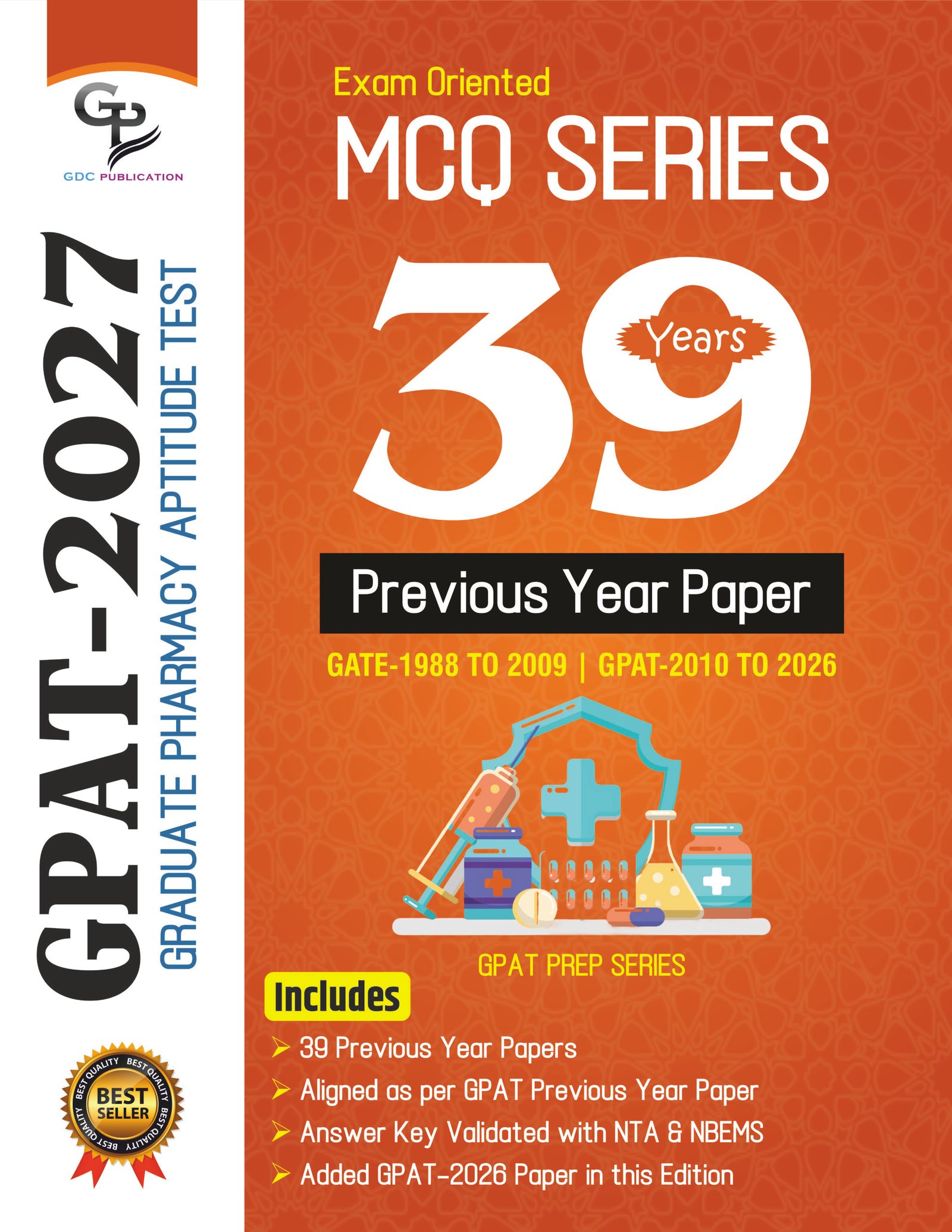
Recommended Products