

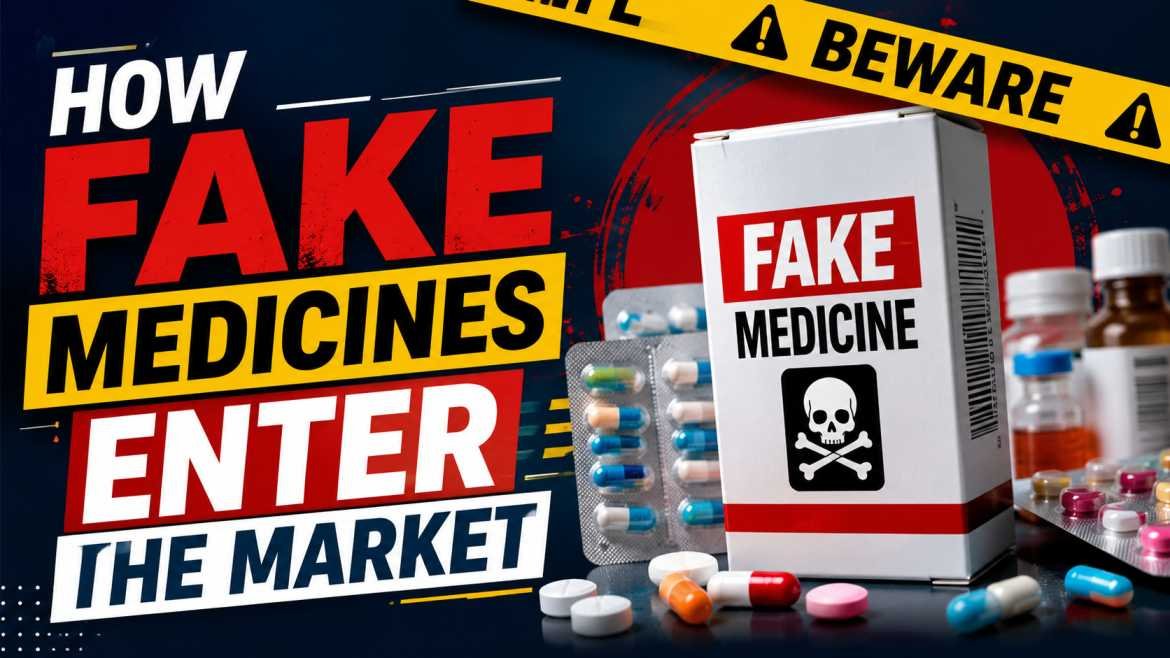

Fake medicines are one of the biggest hidden threats to public health. They look like real medicines, are often packed in convincing boxes, and are sold through pharmacies, street vendors, and even online platforms. But behind the packaging, these drugs may contain harmful chemicals, wrong ingredients, or no active medicine at all.
The entry of counterfeit medicines into the market is not accidental. It happens through organized illegal networks, weak regulation, and gaps in the healthcare supply chain. Understanding how fake medicines enter the market can help consumers, healthcare professionals, and authorities fight this dangerous problem.
What Are Fake Medicines?
Fake or counterfeit medicines are drugs that are deliberately mislabeled regarding their identity, composition, or source. These medicines may:
- Contain incorrect ingredients
- Have no active ingredient
- Include harmful substances
- Be expired and relabeled
- Use fake packaging to imitate trusted brands
They can affect all types of medicines, including antibiotics, painkillers, vaccines, and life-saving drugs.

How Fake Medicines Enter the Market
1. Illegal Manufacturing Units
Many fake medicines are produced in unlicensed factories operating secretly without safety standards or quality checks. Criminal groups manufacture these drugs using cheap chemicals and fake labels to maximize profits.
These units often:
- Operate in remote locations
- Avoid government inspections
- Use low-cost raw materials
- Copy packaging of popular brands
Once produced, the medicines are distributed through illegal supply chains.
2. Weak Supply Chain Monitoring
The pharmaceutical supply chain involves manufacturers, distributors, wholesalers, retailers, and pharmacies. If monitoring is weak at any stage, counterfeit drugs can enter the system.
Common loopholes include:
- Poor inventory tracking
- Lack of digital verification systems
- Unregistered distributors
- Inadequate inspections
In some cases, fake medicines are mixed with genuine stock, making detection difficult.
3. Online Pharmacies and E-Commerce
The rise of online medicine sales has created new opportunities for counterfeit drug sellers. Many fake websites pretend to be licensed pharmacies and offer medicines at extremely low prices.
Risks of buying medicines online include:
- No prescription verification
- Unknown drug sources
- Fake customer reviews
- Lack of regulatory approval
Consumers may unknowingly purchase dangerous products because the packaging appears authentic.
4. Smuggling and Cross-Border Trade
Counterfeit medicines are often smuggled across borders through illegal trade networks. Weak customs checks and corruption allow fake drugs to move from one country to another.
These medicines may enter:
- Local markets
- Small pharmacies
- Rural healthcare centers
- Informal medical shops
Cross-border trafficking makes it difficult for authorities to trace the origin of fake products.
5. Repackaging Expired Medicines
Some criminals collect expired medicines, change the labels, and reintroduce them into the market with new expiry dates.
This practice is dangerous because expired medicines:
- Lose effectiveness
- May become toxic
- Can fail to treat serious illnesses
Unsuspecting consumers may continue using them, risking severe health complications.
6. Corruption and Lack of Enforcement
In regions with weak regulatory systems, counterfeit medicine networks grow more easily. Corruption, limited inspections, and poor enforcement allow fake drug businesses to operate with little fear of punishment.
Problems include:
- Bribery in supply chains
- Fake licenses
- Limited laboratory testing
- Shortage of trained inspectors
Without strict action, counterfeit medicine markets continue expanding.
Why Fake Medicines Are Dangerous
Counterfeit medicines can cause serious harm, including:
- Treatment failure
- Drug resistance
- Allergic reactions
- Organ damage
- Death in severe cases
Fake antibiotics are especially dangerous because they contribute to antibiotic resistance, making infections harder to treat worldwide.
How Consumers Can Protect Themselves
Here are some ways to reduce the risk of buying fake medicines:
Buy from Licensed Pharmacies
Always purchase medicines from trusted and registered pharmacies.
Check Packaging Carefully
Look for:
- Spelling mistakes
- Broken seals
- Unusual colors or fonts
- Missing batch numbers
Avoid Extremely Cheap Medicines
If a medicine is priced far below market value, it could be counterfeit.
Verify Online Pharmacies
Use only certified online pharmacies with valid contact information and licenses.
Consult Healthcare Professionals
Ask doctors or pharmacists if you suspect a medicine is fake.
Role of Governments and Pharmaceutical Companies
To stop counterfeit medicines, authorities and pharmaceutical companies must work together by:
- Strengthening drug regulations
- Using barcode and QR tracking systems
- Increasing market inspections
- Educating consumers
- Punishing counterfeit manufacturers strictly
Advanced technologies like blockchain tracking and AI-based verification systems are also helping improve medicine safety.
Conclusion
Fake medicines enter the market through illegal manufacturing, weak supply chains, online fraud, smuggling, and poor enforcement systems. These counterfeit drugs threaten millions of lives and weaken trust in healthcare systems.
Awareness is the first step toward prevention. By purchasing medicines carefully, verifying sources, and supporting stronger regulations, consumers and authorities can help reduce the spread of fake medicines and protect public health.
Recommended Products