



A Historic Breakthrough in Pediatric Gene Therapy
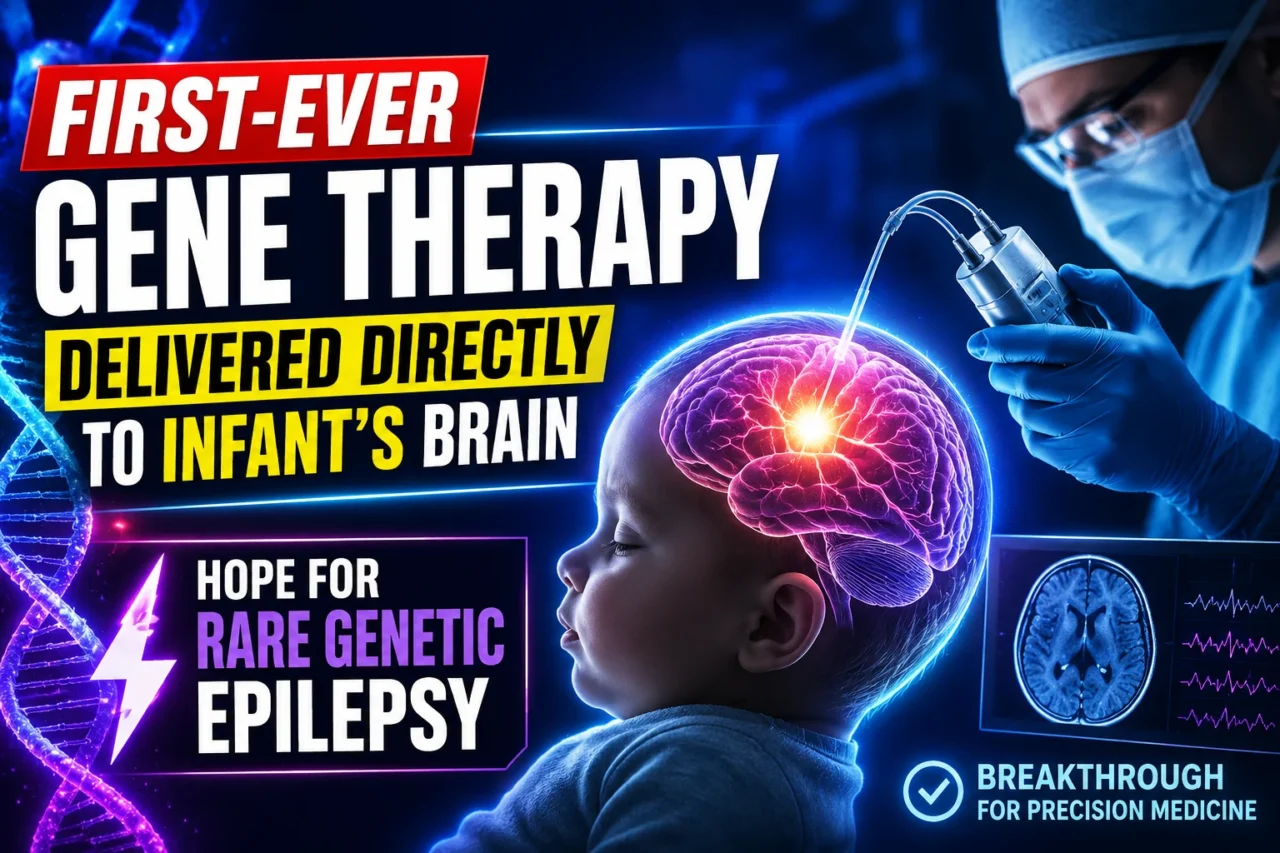
In a remarkable milestone for modern medicine, doctors in Schneider Children’s Medical Center of Israel have successfully administered the world’s first gene replacement therapy directly into the brain of an infant suffering from a rare and severe genetic epilepsy disorder. The innovative treatment marks a significant step forward in precision medicine and offers renewed hope for families affected by devastating neurological diseases.
The groundbreaking procedure was performed on an eight-month-old infant diagnosed with WOREE Syndrome, an extremely rare inherited neurological condition caused by mutations in the WWOX gene. The disease is characterized by severe drug-resistant seizures, profound developmental delays, and a significantly reduced life expectancy.
Understanding WOREE Syndrome
WOREE syndrome, short for WWOX-related epileptic encephalopathy, is a rare genetic disorder that affects brain development and neurological function. The condition results from mutations in the WWOX gene, which plays a crucial role in maintaining normal brain cell activity and development.
Children born with this disorder often experience:
- Frequent and severe epileptic seizures
- Delayed cognitive and motor development
- Muscle weakness and movement difficulties
- Feeding and respiratory complications
- High risk of early mortality
Because traditional anti-epileptic medications often fail to control seizures effectively, treatment options have remained extremely limited.
How the Gene Therapy Works
The experimental therapy was designed to replace the faulty WWOX gene with a healthy functional copy. To achieve this, researchers used a specially engineered viral vector capable of carrying the healthy gene directly into brain cells.
Unlike conventional gene therapies administered through the bloodstream, this treatment was delivered directly into the infant’s brain. This targeted approach allows the therapeutic gene to reach affected neurons more efficiently, potentially restoring normal cellular function where it is needed most.
The goal is to enable brain cells to produce the missing WWOX protein, thereby reducing seizure activity and improving neurological development.

Why This Achievement Is Significant
This procedure represents several medical firsts:
1. First Direct Brain Gene Replacement for WOREE Syndrome
The therapy is believed to be the first attempt worldwide to treat WOREE syndrome through direct intracerebral gene replacement.
2. Personalized Precision Medicine
Researchers developed the treatment specifically to address the underlying genetic cause of the disease rather than merely managing symptoms.
3. Potential New Model for Rare Neurological Disorders
Success in this case could pave the way for similar therapies targeting other rare genetic brain disorders that currently have no effective treatment options.
The Importance of Early Intervention
Neurological disorders caused by genetic mutations often lead to irreversible brain damage if left untreated. By intervening during infancy, doctors hope to protect developing brain cells before significant deterioration occurs.
Early treatment may:
- Reduce seizure frequency and severity
- Improve cognitive development
- Enhance motor skills
- Increase quality of life
- Extend life expectancy
Although long-term outcomes remain under evaluation, researchers are optimistic that earlier intervention offers the greatest chance for meaningful neurological improvement.
Challenges and Future Research
Despite the excitement surrounding this breakthrough, experts caution that the therapy remains experimental. Extensive monitoring will be necessary to evaluate:
- Long-term safety
- Effectiveness in seizure reduction
- Developmental improvements
- Potential side effects
- Durability of gene expression
Additional clinical studies will be required before the treatment can become widely available.
Researchers are also exploring whether similar gene-delivery techniques can be adapted for other rare inherited neurological disorders, potentially transforming the treatment landscape for genetic diseases affecting the brain.
A New Era for Genetic Epilepsy Treatment
The successful delivery of gene replacement therapy directly into an infant’s brain marks a turning point in the fight against rare genetic epilepsies. For families affected by WOREE syndrome, this pioneering treatment represents more than a scientific achievement—it offers hope where few options previously existed.
As gene therapy technologies continue to advance, personalized treatments targeting the root causes of disease may soon become a reality for many children living with severe genetic disorders. This historic procedure demonstrates the growing potential of precision medicine to transform lives and redefine the future of neurological care.
Recommended Products