




Introduction
The pharmacy sector is one of the fastest-growing fields in healthcare, offering diverse career opportunities in hospitals, pharmaceutical companies, research organizations, retail pharmacies, and government sectors. If you’re planning a career in pharmacy, one of the first decisions you’ll face is choosing between Diploma in Pharmacy (D.Pharm) and Bachelor of Pharmacy (B.Pharm).
Both courses can lead to a rewarding career, but they differ significantly in terms of duration, eligibility, curriculum, career prospects, and earning potential. In this blog, we’ll compare D.Pharm and B.Pharm in detail to help you make an informed decision.
What is D.Pharm?
Diploma in Pharmacy (D.Pharm) is a diploma-level program designed to provide foundational knowledge of pharmaceutical sciences and pharmacy practice.
Key Highlights of D.Pharm
- Course Duration: 2 years + practical training
- Eligibility: 10+2 with Physics, Chemistry, and Biology/Mathematics
- Course Type: Diploma
- Focus: Basic pharmaceutical knowledge and dispensing medicines
- Registration: Eligible for pharmacist registration after course completion
D.Pharm is ideal for students who want to enter the pharmacy profession quickly and start working as registered pharmacists.
What is B.Pharm?
Bachelor of Pharmacy (B.Pharm) is a four-year undergraduate degree program that provides comprehensive knowledge of pharmaceutical sciences, drug development, pharmacology, and healthcare management.
Key Highlights of B.Pharm
- Course Duration: 4 years
- Eligibility: 10+2 with Physics, Chemistry, and Biology/Mathematics
- Course Type: Bachelor’s Degree
- Focus: Advanced pharmaceutical sciences, research, and industry exposure
- Career Scope: Wider opportunities in healthcare and pharmaceutical industries
B.Pharm is suitable for students seeking long-term career growth, higher education opportunities, and leadership roles in the pharmaceutical sector.

D.Pharm vs B.Pharm: Quick Comparison
| Parameter | D.Pharm | B.Pharm |
|---|---|---|
| Course Level | Diploma | Bachelor’s Degree |
| Duration | 2 Years | 4 Years |
| Eligibility | 10+2 (PCB/PCM) | 10+2 (PCB/PCM) |
| Course Fees | Lower | Higher |
| Career Start | Faster | Longer preparation |
| Technical Knowledge | Basic | Advanced |
| Research Opportunities | Limited | Extensive |
| Higher Education Scope | Limited | Excellent |
| Salary Potential | Moderate | Higher |
| Industry Recognition | Good | Better |
Course Curriculum Comparison
D.Pharm Curriculum
The D.Pharm syllabus focuses on:
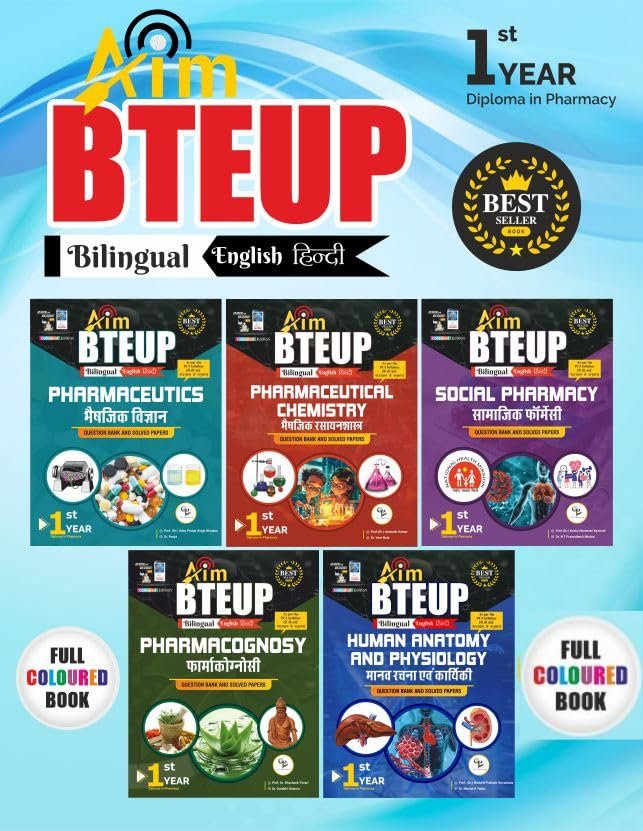
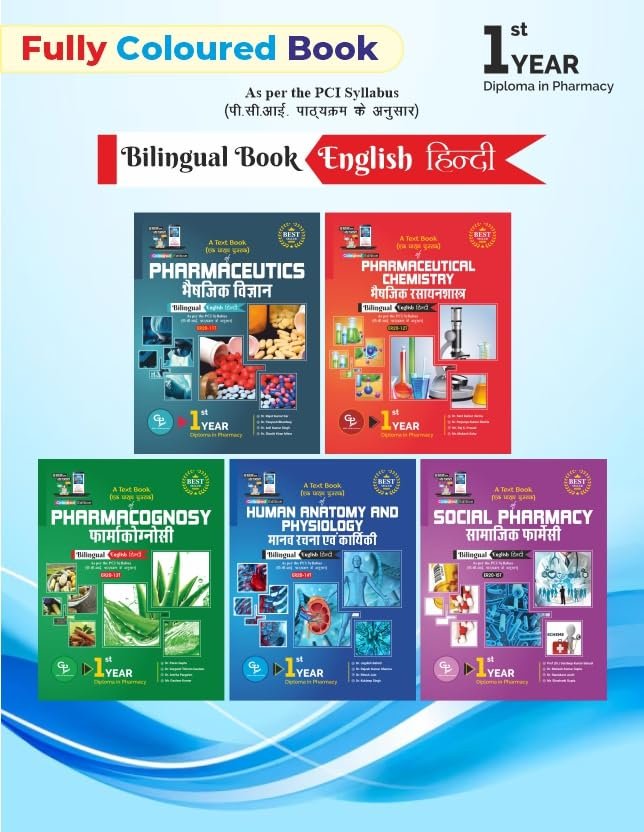
- Pharmaceutics
- Pharmaceutical Chemistry
- Pharmacognosy
- Human Anatomy & Physiology
- Hospital and Clinical Pharmacy
- Community Pharmacy
The curriculum is designed to develop practical skills needed for dispensing medicines and managing pharmacies.
B.Pharm Curriculum
The B.Pharm syllabus covers:
- Pharmacology
- Pharmaceutical Analysis
- Medicinal Chemistry
- Industrial Pharmacy
- Biopharmaceutics
- Pharmaceutical Biotechnology
- Drug Regulatory Affairs
- Pharmacovigilance
- Research Methodology
Students gain in-depth scientific knowledge and practical exposure to pharmaceutical manufacturing and research.
Career Opportunities After D.Pharm
After completing D.Pharm, students can work as:
1. Registered Pharmacist
Dispense medicines in retail pharmacies, hospitals, and clinics.
2. Medical Store Owner
Open and manage a pharmacy after obtaining the necessary licenses.
3. Hospital Pharmacist
Handle medication management in healthcare facilities.
4. Pharmacy Technician
Assist pharmacists in dispensing and inventory management.
5. Sales Representative
Work with pharmaceutical companies to promote medicines.
Career Opportunities After B.Pharm
B.Pharm graduates have access to a broader range of career options, including:
1. Clinical Pharmacist
Work closely with healthcare professionals to optimize patient care.
2. Drug Inspector
Join government agencies responsible for drug quality and safety.
3. Pharmaceutical Research Associate
Participate in drug discovery and development projects.
4. Production and Quality Control Officer
Manage pharmaceutical manufacturing processes.
5. Regulatory Affairs Specialist
Ensure compliance with national and international regulations.
6. Pharmacovigilance Associate
Monitor drug safety and adverse reactions.
7. Medical Writer
Prepare scientific and regulatory documents.
Higher Education Opportunities
After D.Pharm
Students can pursue:
- B.Pharm (through lateral entry in some institutions)
- Certification courses
- Specialized pharmacy training programs
After B.Pharm
Graduates can pursue:
- M.Pharm
- Pharm.D
- MBA in Healthcare Management
- Clinical Research Programs
- Drug Regulatory Affairs Courses
- Ph.D. in Pharmaceutical Sciences
B.Pharm offers significantly more opportunities for academic advancement.
Salary Comparison
D.Pharm Salary
| Job Role | Average Annual Salary |
|---|---|
| Pharmacist | ₹2.0 – ₹4.0 LPA |
| Hospital Pharmacist | ₹2.5 – ₹4.5 LPA |
| Medical Store Manager | ₹2.5 – ₹5.0 LPA |
B.Pharm Salary
| Job Role | Average Annual Salary |
|---|---|
| Clinical Pharmacist | ₹3.0 – ₹6.0 LPA |
| Quality Analyst | ₹3.5 – ₹7.0 LPA |
| Regulatory Affairs Executive | ₹4.0 – ₹8.0 LPA |
| Research Associate | ₹4.0 – ₹10.0 LPA |
Note: Salaries may vary depending on location, employer, experience, and skills.
Advantages of D.Pharm
✅ Shorter course duration
✅ Lower educational cost
✅ Quick entry into the workforce
✅ Suitable for starting a pharmacy business
✅ Good option for students seeking immediate employment
Advantages of B.Pharm
✅ Higher qualification and industry recognition
✅ Better salary prospects
✅ More job opportunities
✅ Eligibility for higher studies
✅ Greater scope in research and development
✅ Opportunities in government and multinational companies
Which Course Should You Choose?
Choose D.Pharm If:
- You want to start working quickly.
- You have budget constraints.
- You plan to open a retail pharmacy.
- You prefer a shorter academic route.
Choose B.Pharm If:
- You want long-term career growth.
- You are interested in research and drug development.
- You aim for higher-paying positions.
- You plan to pursue postgraduate studies.
- You want broader opportunities in the pharmaceutical industry.
Final Verdict
Both D.Pharm and B.Pharm are valuable pharmacy courses, but the right choice depends on your career goals, financial situation, and long-term aspirations.
If your priority is entering the workforce quickly and becoming a registered pharmacist, D.Pharm is a practical choice. However, if you’re looking for better career prospects, higher salaries, advanced knowledge, and opportunities in research and management, B.Pharm is generally the better long-term investment.
Before making a decision, evaluate your interests, career objectives, and educational plans carefully. A well-informed choice today can shape a successful pharmacy career tomorrow.
Frequently Asked Questions (FAQs)
Q1. Is D.Pharm enough to become a pharmacist?
Yes, D.Pharm graduates can register as pharmacists and work in pharmacies and healthcare facilities.
Q2. Is B.Pharm better than D.Pharm?
For long-term career growth, higher education, and broader job opportunities, B.Pharm is generally considered better.
Q3. Can I do B.Pharm after D.Pharm?
Yes, many students pursue B.Pharm after completing D.Pharm to enhance their qualifications and career prospects.
Q4. Which course has a higher salary?
B.Pharm graduates generally receive higher salaries due to greater specialization and wider career opportunities.
Q5. Which pharmacy course is best for government jobs?
B.Pharm offers access to a wider range of government job opportunities, including drug inspector, regulatory officer, and research positions.
Recommended Products