


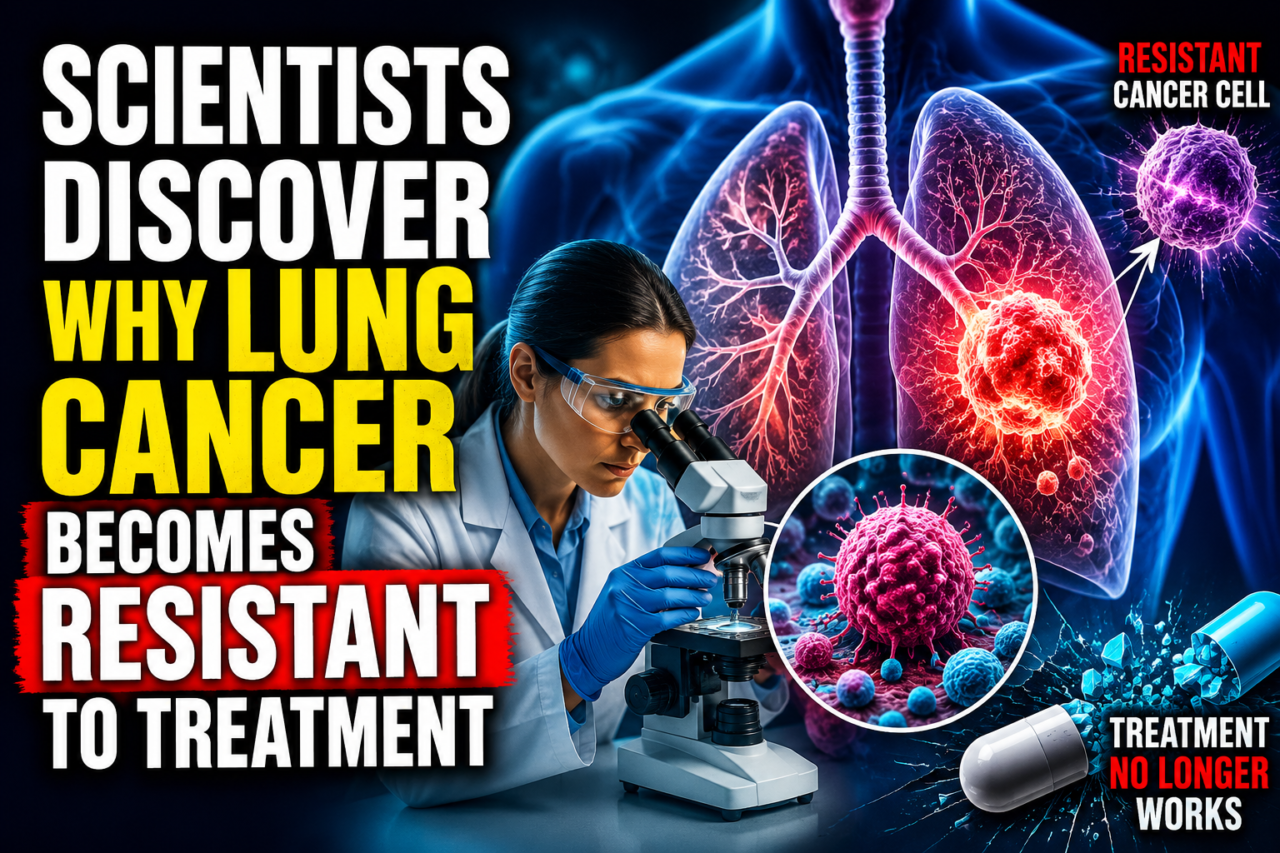

Researchers from the University of Southampton have made an important breakthrough in understanding why some lung cancer treatments stop working. Their latest study reveals how lung cancer cells can “change identity” and become more aggressive, helping them survive chemotherapy and immunotherapy. The findings were recently published in the journal Molecular Oncology.
This discovery could play a major role in developing more personalized and effective cancer treatments in the future.
Understanding Lung Cancer Resistance
Lung cancer is one of the leading causes of cancer-related deaths worldwide. While treatments like chemotherapy, targeted therapy, and immunotherapy have improved patient outcomes, many patients eventually develop resistance to treatment.
Scientists have long tried to understand how cancer cells adapt and survive despite powerful anti-cancer drugs. The new research from the University of Southampton provides fresh insight into this problem.
What Did Researchers Discover?
The researchers found that lung cancer cells can revert to an earlier developmental state — almost like turning back the biological clock.
Normally, cells in the body mature into specialized forms with specific functions. However, the study showed that certain lung cancer cells can lose their specialized identity and transform into a more primitive, stem-cell-like state.
This process allows cancer cells to:
- Grow more aggressively
- Spread more easily
- Avoid being destroyed by treatments
- Become resistant to chemotherapy and immunotherapy
In simple words, the cancer cells “reprogram” themselves to survive.
Why Is This Discovery Important?
This finding helps explain why some lung cancer patients initially respond well to treatment but later experience relapse or disease progression.
When cancer cells switch identity:
- Treatments targeting the original cancer type may no longer work effectively
- Tumors become harder to control
- The disease may become more aggressive
Understanding this mechanism could help doctors identify patients who are more likely to develop resistance early during treatment.
Potential Impact on Future Cancer Treatment
The study opens the door to more personalized treatment strategies for lung cancer patients.
Researchers believe future therapies could focus on:
1. Preventing Cell Identity Switching
Scientists may develop drugs that stop cancer cells from reverting to the primitive state.
2. Early Detection of Resistant Cells
Biomarkers could help detect aggressive cell changes before resistance develops.
3. Combination Therapies
Doctors may combine chemotherapy or immunotherapy with drugs targeting cellular reprogramming mechanisms.
4. Precision Medicine
Patients could receive treatments tailored to the biological behavior of their tumors.

The Role of Molecular Oncology Research
The study highlights the growing importance of molecular oncology — the branch of science that studies cancer at the genetic and cellular level.
By understanding how cancer cells behave internally, researchers can design smarter and more targeted therapies instead of relying only on traditional treatment methods.
This approach is becoming increasingly important in modern cancer care.
Why Lung Cancer Remains Challenging
Lung cancer remains difficult to treat because tumors are highly adaptable. Cancer cells continuously evolve, mutate, and develop survival strategies.
Major challenges include:
- Drug resistance
- Tumor heterogeneity
- Rapid spread to other organs
- Late diagnosis in many patients
Research like this is essential to improving long-term survival rates.
Hope for the Future
Although more studies and clinical trials are needed, the discovery provides hope for better lung cancer management in the future.
Understanding how cancer cells escape treatment is one of the biggest steps toward creating durable and effective therapies.
The University of Southampton study represents another important milestone in the fight against cancer and highlights how advanced molecular research can transform patient care.
Recommended Products