



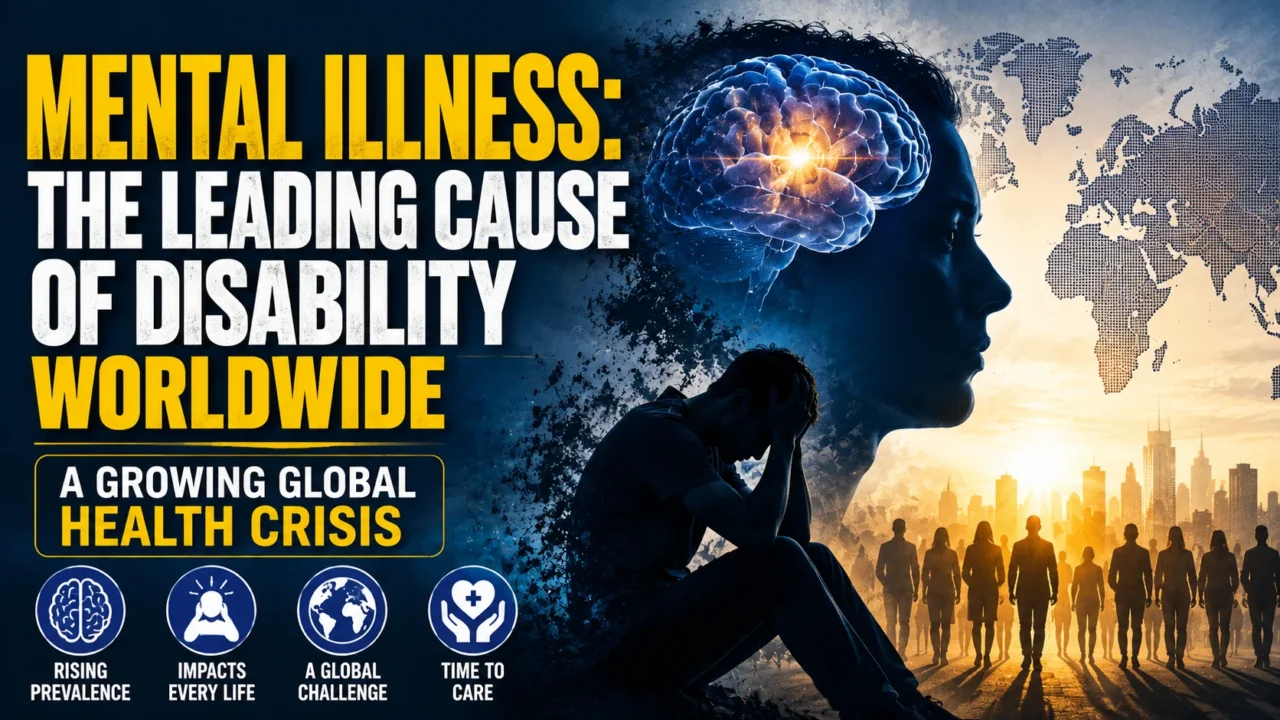

Mental health has become one of the most pressing public health challenges of the 21st century. While diseases such as cancer, cardiovascular disorders, and infectious diseases often receive significant attention, mental illnesses are now responsible for a larger share of disability worldwide than any other disease category.
Recent global health reports reveal a concerning reality: mental disorders are affecting more people than ever before, placing an enormous burden on individuals, families, healthcare systems, and economies.

The Global Burden of Mental Illness
According to recent international health studies, more than 1.17 billion people worldwide were living with a mental health condition in 2023. This means that approximately one in every seven people globally is affected by a mental disorder.
Mental illnesses contribute significantly to years lived with disability (YLDs), making them one of the leading causes of non-fatal disease burden worldwide. Unlike many physical illnesses that may have visible symptoms, mental health disorders often remain hidden, leading to delayed diagnosis and treatment.
Why Mental Illness Causes So Much Disability
Mental illnesses can affect every aspect of an individual’s life, including:
- Daily functioning
- Academic performance
- Employment opportunities
- Social relationships
- Physical health
- Quality of life
Many mental health conditions begin during adolescence or early adulthood and may persist for years if left untreated. The chronic nature of these disorders contributes substantially to long-term disability.
Common mental health disorders include:
1. Depression
Depression is characterized by persistent sadness, loss of interest, low energy, and difficulty performing daily activities. It is one of the leading causes of disability worldwide.
2. Anxiety Disorders
Anxiety disorders involve excessive fear, worry, and nervousness that interfere with normal functioning.
3. Bipolar Disorder
This condition causes extreme mood swings, ranging from depressive episodes to periods of elevated mood and increased activity.
4. Schizophrenia
A severe mental disorder affecting thinking, perception, emotions, and behavior.
5. Substance Use Disorders
Alcohol and drug dependence often coexist with mental health conditions and contribute significantly to disability.
The Rising Trend Since 1990
Global health researchers have reported that the burden of mental disorders has increased dramatically over the past few decades.
Several factors contribute to this increase:
- Population growth
- Increased life expectancy
- Urbanization
- Social isolation
- Economic stress
- Workplace pressure
- Digital overload
- Global crises and pandemics
As populations grow and age, the number of individuals requiring mental health support continues to rise.
The Impact on Society
Mental illness affects more than just the individual.
Economic Impact
Mental disorders lead to reduced productivity, absenteeism, and increased healthcare expenditures. Countries lose billions of dollars annually due to untreated mental health conditions.
Educational Impact
Students with untreated mental health problems often experience poor academic performance and higher dropout rates.
Family Impact
Mental illness can strain family relationships, caregiving responsibilities, and financial stability.
Physical Health Impact
Mental disorders are closely linked with chronic diseases such as diabetes, cardiovascular disease, obesity, and substance abuse.
Why Mental Health Awareness Matters
Despite the growing burden, stigma remains one of the biggest barriers to mental healthcare.
Many people avoid seeking help because of:
- Fear of judgment
- Lack of awareness
- Social stigma
- Limited access to mental health services
Promoting mental health awareness can help:
- Encourage early diagnosis
- Improve treatment outcomes
- Reduce stigma
- Increase public understanding
- Strengthen support systems
Strategies to Improve Mental Health
Mental health can be improved through a combination of personal, social, and healthcare interventions.
Healthy Lifestyle Habits
- Regular physical activity
- Balanced nutrition
- Adequate sleep
- Stress management
Social Support
- Maintaining strong relationships
- Seeking help when needed
- Participating in community activities
Professional Care
- Counseling and psychotherapy
- Psychiatric treatment when necessary
- Support groups and rehabilitation services
Workplace and Educational Support
Organizations and educational institutions can play a major role by creating supportive environments and providing access to mental health resources.
The Way Forward
Mental health should be treated with the same importance as physical health. Governments, healthcare organizations, educational institutions, and communities must work together to improve access to mental healthcare services and reduce stigma.
Investment in mental health promotion, early intervention, and treatment programs can significantly reduce disability and improve quality of life for millions of people worldwide.
Conclusion
Mental illness is no longer a hidden issue—it is now recognized as one of the leading causes of disability worldwide. With over a billion people affected globally, addressing mental health has become a public health priority.
By increasing awareness, reducing stigma, improving access to care, and encouraging early intervention, society can take meaningful steps toward improving mental well-being and reducing the global burden of mental illness.
Recommended Products