


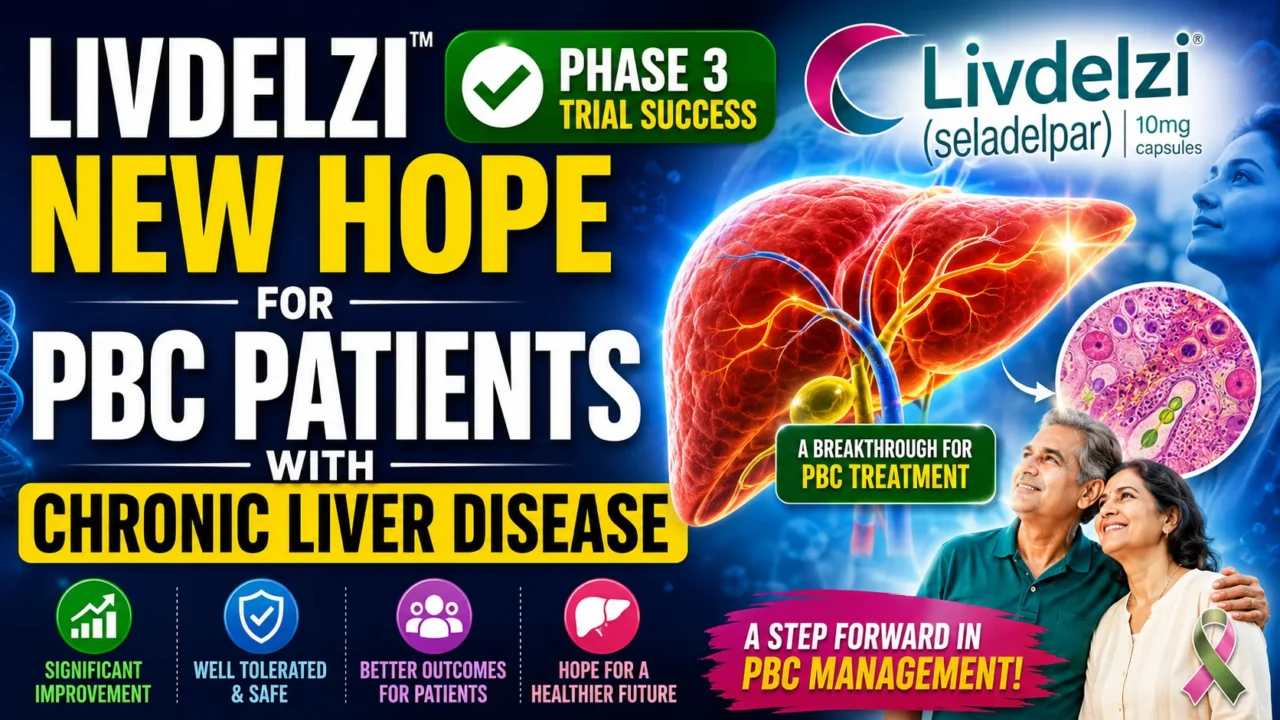

Primary biliary cholangitis (PBC) is a rare chronic autoimmune liver disease that gradually damages the bile ducts, leading to liver inflammation, fibrosis, and eventually liver failure if left untreated. In a significant development for patients living with PBC, Gilead Sciences has announced positive Phase 3 clinical trial results for its drug Livdelzi (seladelpar), reinforcing its potential as an effective treatment option for the disease.
Positive Phase 3 Trial Results
Gilead reported that Livdelzi successfully met the primary and key secondary endpoints in a Phase 3 clinical trial involving patients with primary biliary cholangitis. The study demonstrated meaningful improvements in important liver disease markers, including reductions in alkaline phosphatase (ALP), a key indicator of liver damage and disease progression.
Patients receiving Livdelzi showed significantly better outcomes compared to those receiving placebo, highlighting the drug’s ability to improve liver function and potentially slow disease progression.
Understanding Primary Biliary Cholangitis (PBC)
Primary biliary cholangitis is an autoimmune condition in which the body’s immune system mistakenly attacks the small bile ducts within the liver. As bile accumulates, it can cause inflammation, scarring, and progressive liver damage.
Common symptoms include:
- Persistent fatigue
- Severe itching (pruritus)
- Dry eyes and mouth
- Abdominal discomfort
- Jaundice in advanced stages
Although existing treatments help many patients, a significant proportion do not achieve adequate disease control, creating an urgent need for new therapeutic options.
How Livdelzi Works
Livdelzi (seladelpar) is a selective PPAR-delta agonist, a type of medication designed to regulate inflammation, bile acid metabolism, and liver function.
By activating PPAR-delta pathways, Livdelzi helps:
- Reduce liver inflammation
- Improve bile flow
- Lower harmful liver enzyme levels
- Potentially slow disease progression
This mechanism offers a novel approach compared with traditional therapies used for PBC.

Benefits Observed in the Trial
The Phase 3 study highlighted several encouraging outcomes:
Significant Reduction in ALP Levels
Lower ALP levels are associated with better long-term outcomes and reduced risk of liver-related complications.
Improvement in Liver Health
Patients receiving Livdelzi demonstrated improved biochemical markers that indicate healthier liver function.
Potential Relief from Symptoms
Previous studies have suggested that seladelpar may also help reduce itching, one of the most troublesome symptoms experienced by PBC patients.
Favorable Safety Profile
The treatment was generally well tolerated, with safety results consistent with previous clinical studies.
What This Means for Patients
The successful Phase 3 results provide renewed hope for patients who have not responded adequately to existing treatments such as ursodeoxycholic acid (UDCA).
Experts believe Livdelzi could become an important treatment option by:
- Expanding therapeutic choices for PBC patients
- Improving disease management
- Delaying progression to advanced liver disease
- Enhancing quality of life
Impact on the Liver Disease Treatment Landscape
The positive trial outcome strengthens Gilead’s position in the liver disease and rare disease treatment market. With increasing focus on innovative therapies for chronic liver disorders, Livdelzi has the potential to address a significant unmet medical need.
If regulatory authorities continue to review the supporting data favorably, Livdelzi could play a major role in future PBC treatment guidelines and clinical practice.
Conclusion
Gilead’s Livdelzi has achieved a major milestone with its successful Phase 3 clinical trial in primary biliary cholangitis. The drug demonstrated strong efficacy, meaningful improvements in liver disease markers, and a favorable safety profile, offering new hope for patients battling this chronic liver condition.
As research progresses and regulatory reviews continue, Livdelzi may soon become an important addition to the treatment arsenal for PBC, potentially improving outcomes and quality of life for thousands of patients worldwide.
Recommended Products