



Breakthrough Research Offers New Hope for Osteoporosis Patients
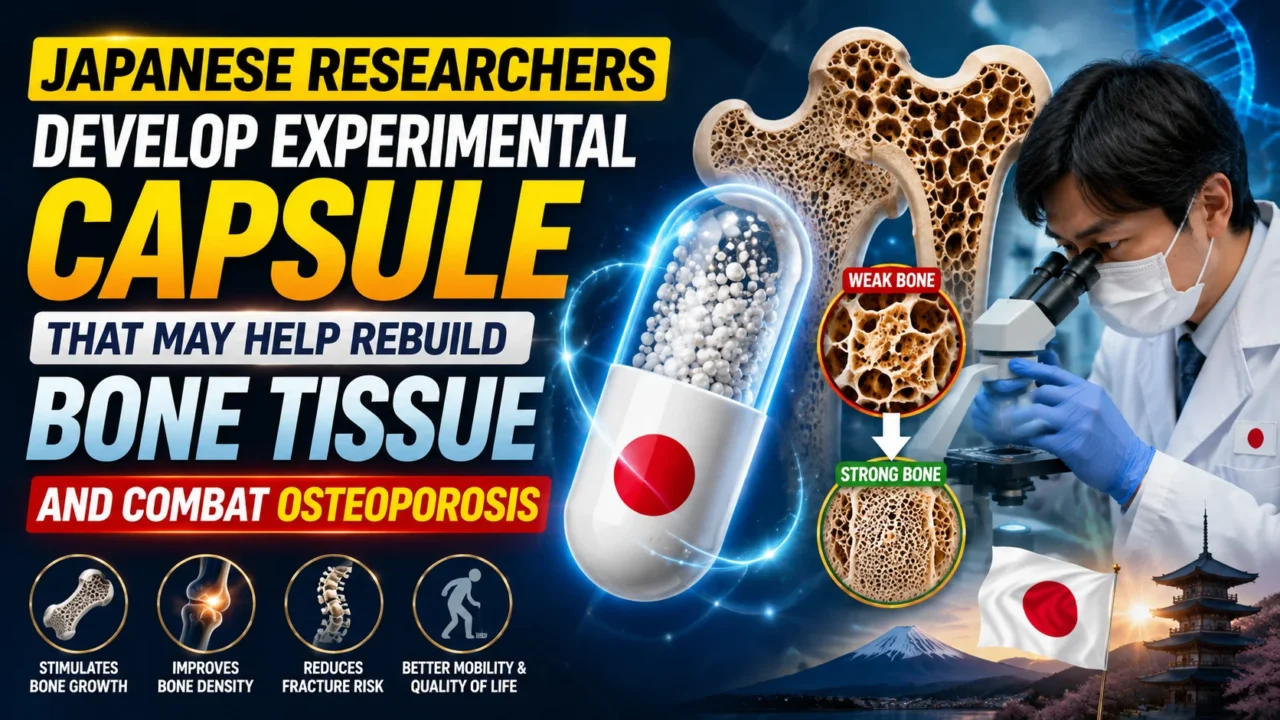
Researchers in Japan are exploring innovative treatments that could transform the way osteoporosis is managed. Recent studies suggest that experimental medications designed to stimulate bone regeneration may help rebuild lost bone tissue and improve bone density, offering hope to millions of people affected by osteoporosis worldwide.
Unlike conventional osteoporosis treatments that primarily slow down bone loss, these new approaches aim to actively encourage the body to generate new bone tissue, potentially restoring skeletal strength over time.

Understanding Osteoporosis
Osteoporosis is a condition characterized by weakened bones and reduced bone density, making individuals more susceptible to fractures. It is particularly common among older adults, especially postmenopausal women, although men can also be affected.
Common symptoms and complications include:
- Increased risk of fractures
- Back pain due to spinal fractures
- Loss of height over time
- Stooped posture
- Reduced mobility and quality of life
According to global health estimates, osteoporosis affects hundreds of millions of people worldwide and remains a major public health concern.
What Makes This New Research Different?
Traditional osteoporosis medications generally work by:
- Slowing bone breakdown
- Reducing bone resorption
- Preserving existing bone mass
The experimental Japanese research focuses on stimulating the body’s natural bone-building mechanisms.
Scientists are studying proteins and cellular pathways involved in bone formation and repair. By targeting these biological processes, researchers hope to activate osteoblasts—the cells responsible for creating new bone tissue.
This approach could potentially:
- Increase bone density
- Improve bone strength
- Accelerate bone regeneration
- Reduce fracture risk
- Reverse some effects of osteoporosis
How the Experimental Treatment Works
Although research is still ongoing, the experimental capsule reportedly targets molecular pathways involved in bone remodeling.
Bone health depends on a balance between:
Osteoclasts
Cells that break down old bone tissue.
Osteoblasts
Cells that build new bone tissue.
In osteoporosis, bone breakdown often occurs faster than bone formation. The new treatment aims to shift this balance by enhancing osteoblast activity and encouraging the production of healthy new bone.
Potential Benefits
If future clinical trials confirm its effectiveness, the treatment may provide several advantages:
1. Bone Regeneration
Instead of merely slowing bone loss, it may help rebuild damaged bone tissue.
2. Improved Bone Density
Stronger bones could significantly lower fracture risk.
3. Better Mobility
Healthier bones may help older adults maintain independence and physical activity.
4. Enhanced Quality of Life
Reduced fractures and pain can improve overall well-being.
Current Status of the Research
It is important to note that the treatment remains experimental. Researchers are continuing laboratory studies and clinical investigations to evaluate:
- Safety
- Effectiveness
- Long-term outcomes
- Appropriate dosage
- Potential side effects
More extensive human trials will be required before any such therapy becomes widely available for patients.
Existing Treatments for Osteoporosis
While research progresses, currently approved osteoporosis treatments include:
- Bisphosphonates
- Denosumab
- Teriparatide
- Romosozumab
- Calcium supplements
- Vitamin D supplementation
Doctors also recommend:
- Weight-bearing exercise
- Strength training
- Smoking cessation
- Limiting alcohol consumption
- Balanced nutrition
Future Outlook
The possibility of a capsule capable of stimulating bone regeneration represents an exciting advancement in osteoporosis research. If successful, such therapies could mark a major shift from managing bone loss to actively rebuilding bone tissue.
Although more studies are needed before these treatments become available to the public, the research highlights the growing potential of regenerative medicine in addressing age-related bone disorders.
Conclusion
Japanese researchers are investigating promising new therapies that may help rebuild bone tissue and improve bone density in osteoporosis patients. While the treatment is still under development, it represents a potentially groundbreaking approach to bone health and regenerative medicine. Future clinical trials will determine whether this innovation can become a safe and effective option for millions of people living with osteoporosis.
Recommended Products