


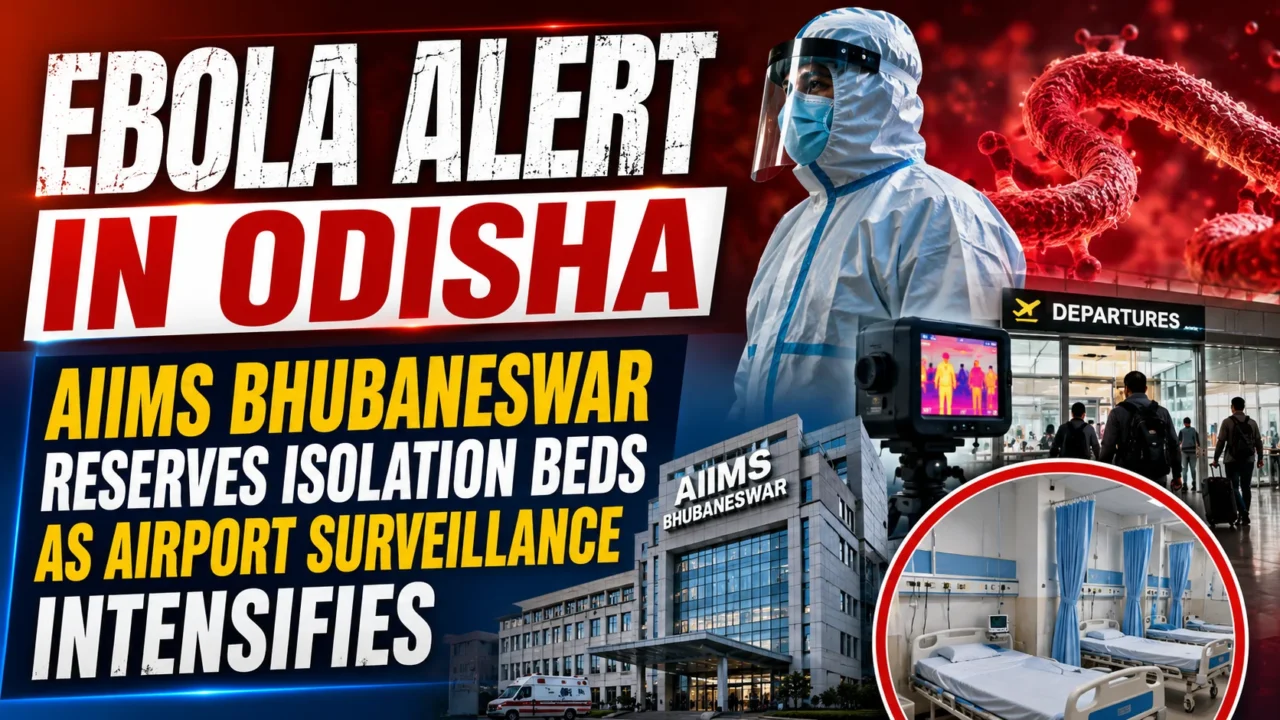

Health authorities in India have heightened precautionary measures following concerns related to a suspected Ebola case involving a traveler arriving from Uganda. As part of emergency preparedness efforts, Odisha has strengthened surveillance systems, while AIIMS Bhubaneswar has reserved isolation beds to handle any potential cases.
The move reflects India’s commitment to early detection, rapid response, and containment of infectious diseases to protect public health.

What Triggered the Alert?
Reports indicate that a woman arriving from Uganda exhibited symptoms similar to those associated with Ebola Virus Disease (EVD). Following established health protocols, authorities initiated screening and monitoring procedures to assess the situation and prevent any possible spread of infection.
While health officials continue to investigate and test samples, precautionary measures have been activated across multiple states.
Measures Taken in Odisha
To ensure preparedness, Odisha health authorities have implemented several important measures:
Enhanced Airport Surveillance
Thermal screening and health monitoring have been intensified at major entry points, particularly at Bhubaneswar Airport. Travelers arriving from affected regions are being closely monitored for symptoms and travel history.
Isolation Beds Reserved at AIIMS Bhubaneswar
AIIMS Bhubaneswar has reportedly reserved 6–8 isolation beds to manage any suspected Ebola cases that may require medical observation or treatment.
Monitoring of International Travelers
Authorities are maintaining strict surveillance of travelers with recent travel history to regions where Ebola outbreaks have been reported.
Quarantine Preparedness
Special quarantine protocols are being kept ready to ensure immediate isolation of suspected cases if required.
Understanding Ebola Virus Disease (EVD)
Ebola Virus Disease is a severe and often fatal illness caused by the Ebola virus. It primarily spreads through direct contact with:
- Blood or body fluids of infected individuals
- Contaminated medical equipment
- Infected animals
Common Symptoms of Ebola
Symptoms may include:
- High fever
- Severe headache
- Muscle pain
- Weakness
- Vomiting
- Diarrhea
- Abdominal pain
- Unexplained bleeding or bruising
Early diagnosis and supportive medical care significantly improve survival chances.
Why Early Detection is Important
Public health experts emphasize that early detection, isolation, and treatment are critical in preventing outbreaks of highly infectious diseases.
Rapid identification of suspected cases allows authorities to:
- Trace contacts effectively
- Prevent community transmission
- Provide timely medical care
- Strengthen infection control measures
Should the Public Be Concerned?
Health officials have urged citizens to remain alert but avoid panic. At present, precautionary measures are being implemented as part of standard public health preparedness.
People are advised to:
- Follow official health advisories
- Maintain good hygiene practices
- Report symptoms if they have recently traveled to affected regions
- Avoid spreading unverified information on social media
India’s Preparedness Against Infectious Diseases
India has significantly improved its disease surveillance and emergency response systems over the years. Airports, hospitals, and public health institutions regularly conduct preparedness exercises to respond quickly to potential health threats.
The current measures in Odisha demonstrate a proactive approach aimed at safeguarding public health while ensuring that healthcare facilities remain ready to respond if needed.
Conclusion
The Ebola alert in Odisha highlights the importance of vigilance, surveillance, and preparedness in managing infectious disease risks. With enhanced airport screening, reserved isolation facilities at AIIMS Bhubaneswar, and strict monitoring of international travelers, health authorities are taking preventive steps to ensure public safety.
As investigations continue, citizens are encouraged to stay informed through official sources and follow recommended health guidelines while remaining calm and responsible.
Recommended Products