



Introduction
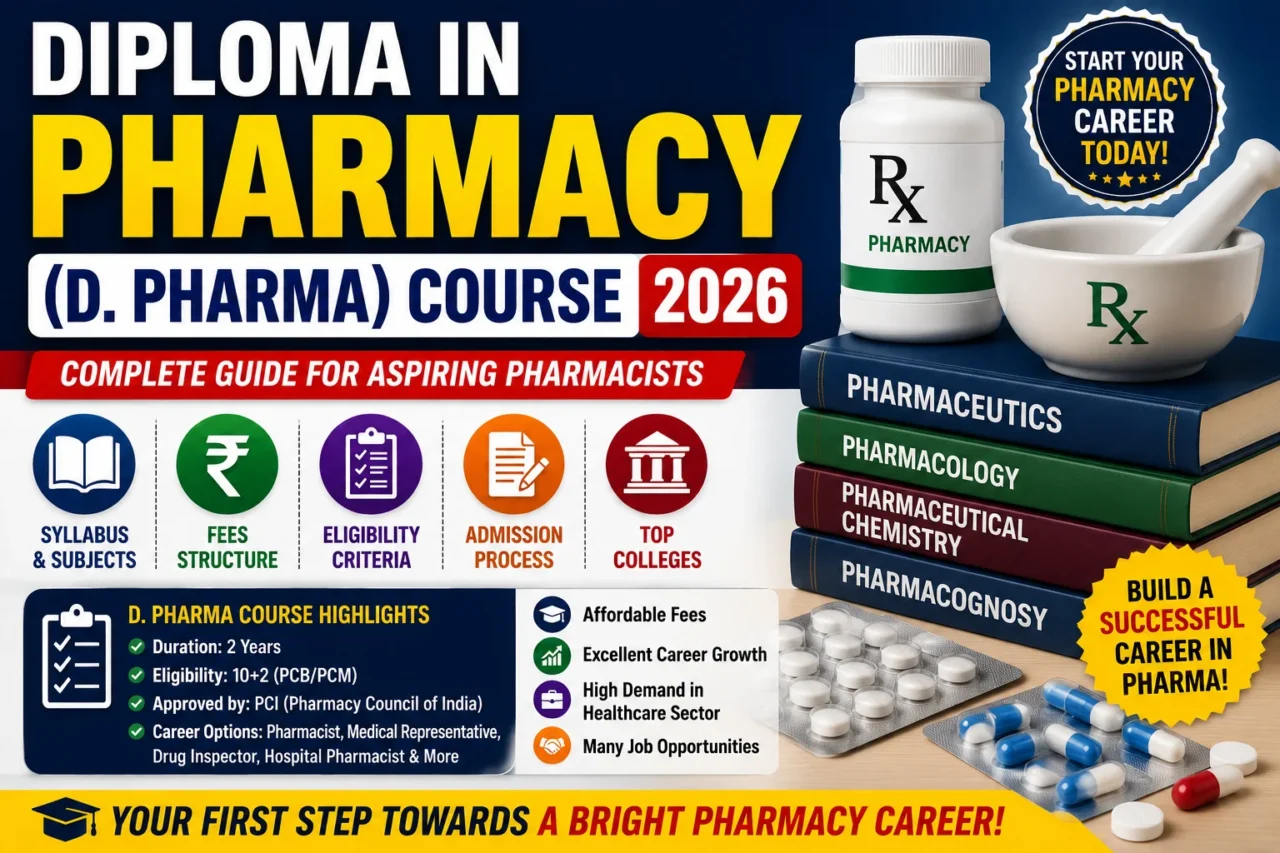
The Diploma in Pharmacy (D. Pharma) is one of the most popular pharmacy courses in India for students who wish to start a career in the healthcare and pharmaceutical sector. It is a 2-year diploma program designed to provide students with fundamental knowledge of pharmaceutical sciences, drug formulation, dispensing, and patient care.
After completing D. Pharma, candidates can register as a pharmacist and work in hospitals, retail pharmacies, pharmaceutical companies, or pursue higher studies such as B. Pharma.
What is D. Pharma?
D. Pharma (Diploma in Pharmacy) is a professional diploma course approved by the Pharmacy Council of India (PCI). The course focuses on the preparation, dispensing, and proper use of medicines.
It is one of the quickest pathways to become a registered pharmacist in India.
Course Highlights
| Particulars | Details |
|---|---|
| Course Name | Diploma in Pharmacy (D. Pharma) |
| Duration | 2 Years |
| Eligibility | 10+2 Science (PCB/PCM) |
| Admission Process | Merit-Based / Entrance-Based |
| Approval | PCI (Pharmacy Council of India) |
| Course Level | Diploma |
| Career Options | Pharmacist, Medical Representative, Drug Store Manager |
| Average Salary | ₹2.5–6 LPA |
D. Pharma Eligibility Criteria 2026
Candidates must fulfill the following requirements:
Educational Qualification
- Passed 10+2 examination
- Physics and Chemistry as compulsory subjects
- Mathematics or Biology as optional subjects
- Minimum 45–50% marks (varies by institution)
Age Limit
- Minimum Age: 17 Years
- No upper age limit in most colleges

D. Pharma Admission Process 2026
Admission is generally offered through:
Merit-Based Admission
Most private and government colleges provide admission based on Class 12 marks.
Entrance Exams
Some states conduct pharmacy entrance examinations such as:
- MHT CET
- KCET
- GUJCET
- UPSEE (where applicable)
- State Pharmacy Entrance Exams
D. Pharma Syllabus 2026
The D. Pharma syllabus is divided into two academic years.
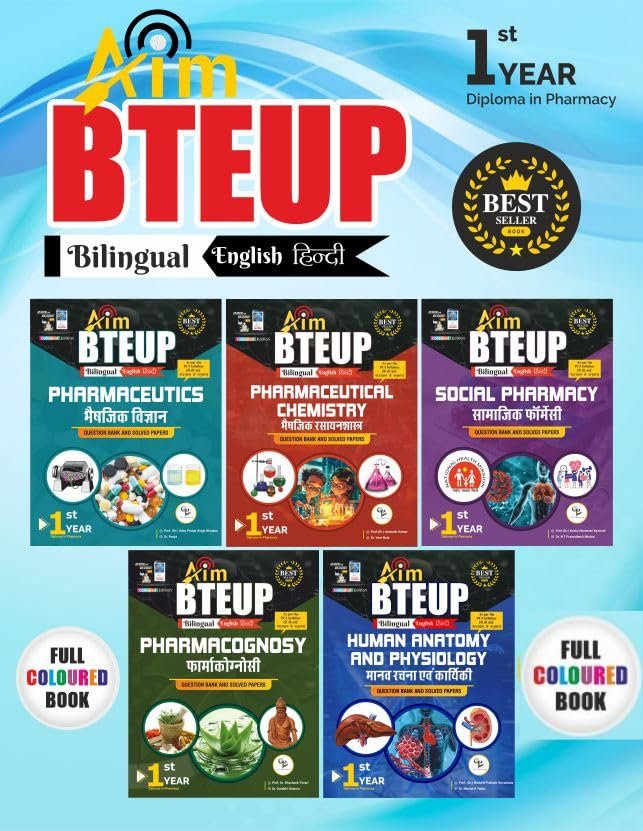
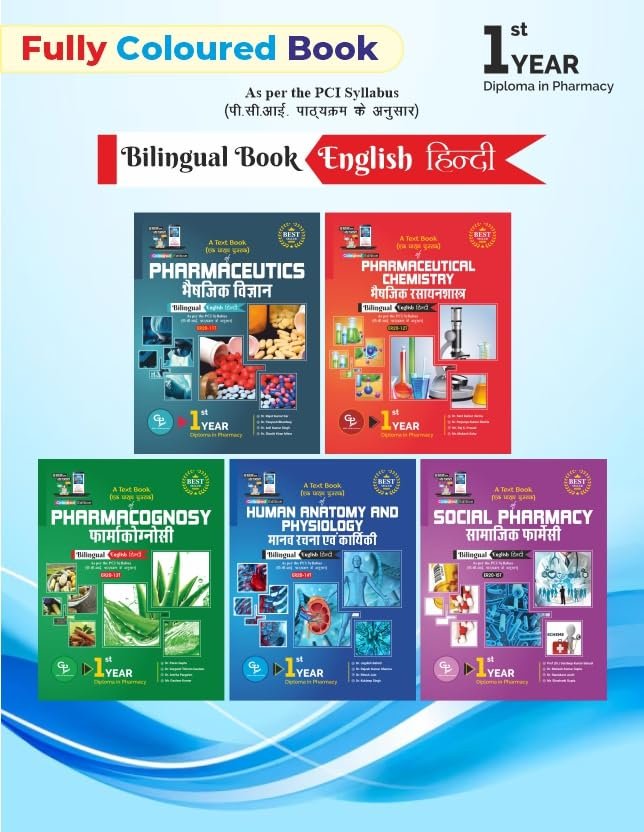
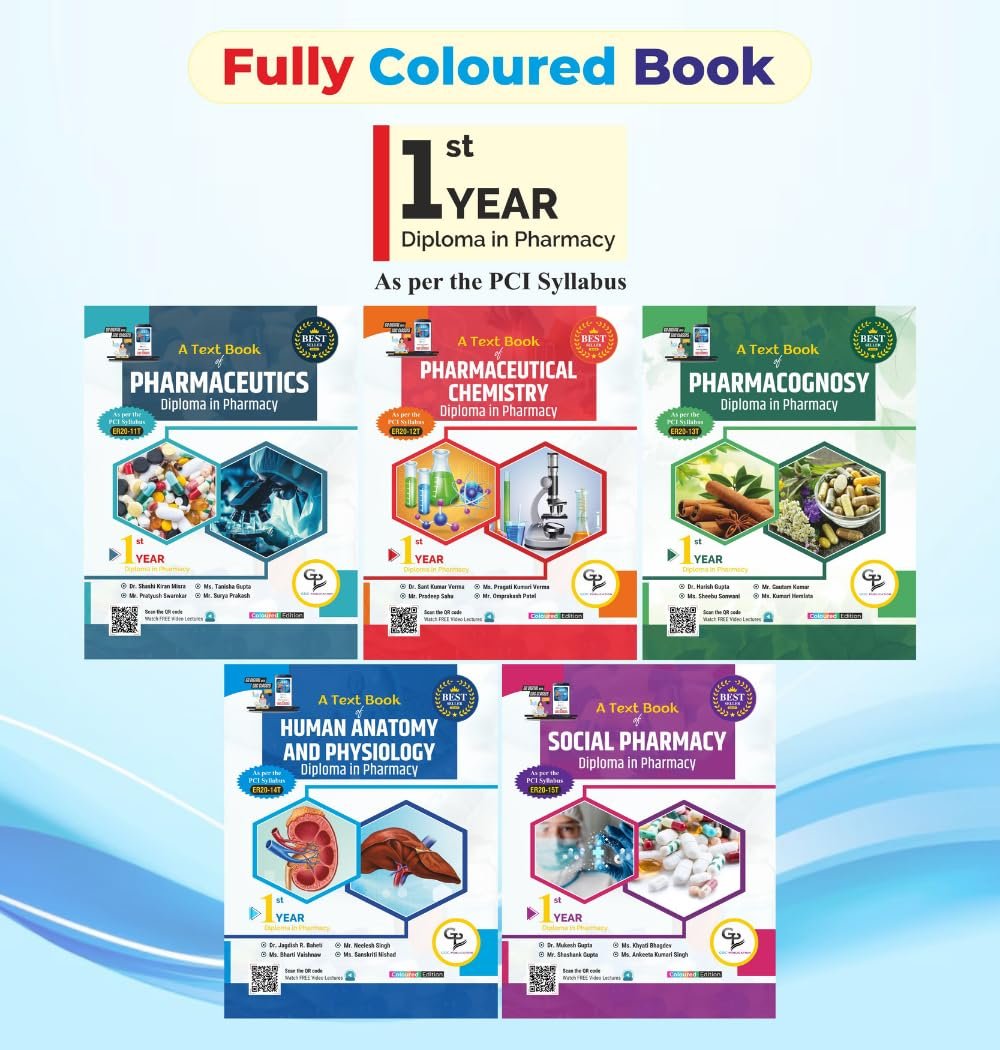
First Year Subjects
Pharmaceutics-I
- Prescription handling
- Dispensing pharmacy
- Pharmaceutical calculations
- Dosage forms
Pharmaceutical Chemistry-I
- Inorganic pharmaceuticals
- Acids and bases
- Electrolytes
Pharmacognosy
- Medicinal plants
- Natural drugs
- Herbal medicines
Human Anatomy & Physiology
- Human body systems
- Structure and functions of organs
Social Pharmacy
- Public health
- Healthcare programs
- Community pharmacy

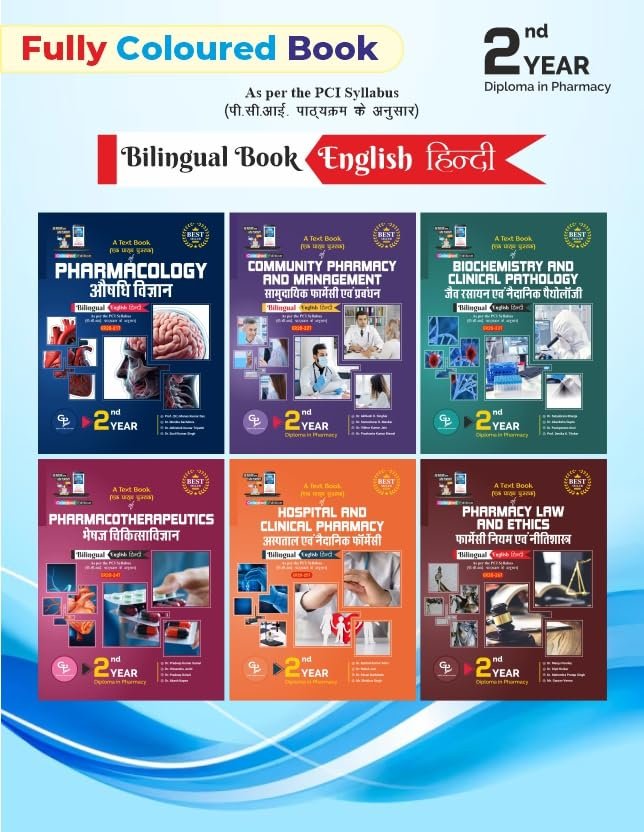
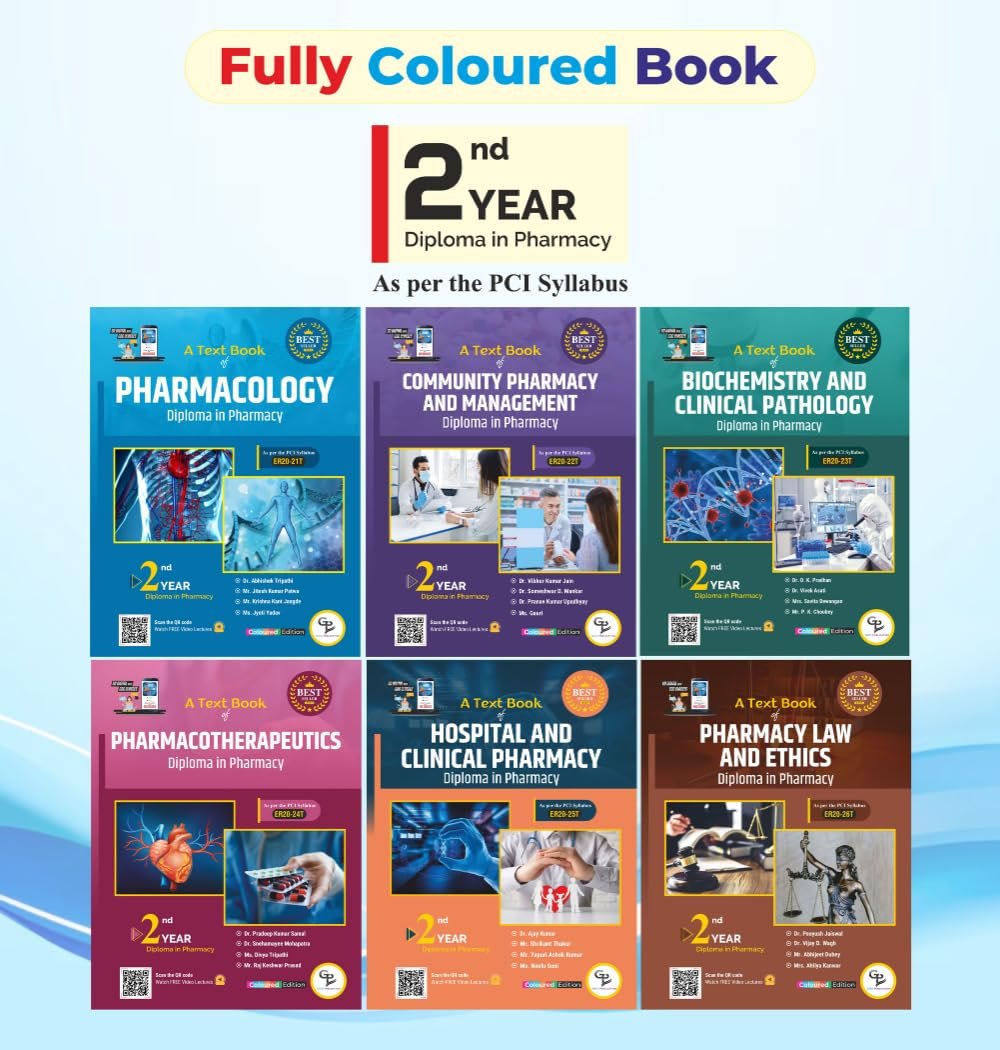
Second Year Subjects
Pharmaceutics-II
- Hospital pharmacy
- Community pharmacy
- Drug storage
Pharmaceutical Chemistry-II
- Organic chemistry
- Medicinal chemistry
- Drug synthesis
Pharmacology & Toxicology
- Drug action
- Adverse drug reactions
- Poison management
Pharmaceutical Jurisprudence
- Pharmacy Act
- Drugs and Cosmetics Act
- Legal aspects of pharmacy
Drug Store & Business Management
- Inventory control
- Marketing
- Business administration
Hospital & Clinical Pharmacy
- Patient counseling
- Clinical services
- Drug interactions
D. Pharma Course Fees 2026
The fee structure varies depending on the college.
| College Type | Annual Fees |
|---|---|
| Government College | ₹10,000 – ₹50,000 |
| Government-Aided College | ₹20,000 – ₹80,000 |
| Private College | ₹50,000 – ₹2,00,000 |
Total course fees generally range between ₹20,000 and ₹4 lakh.
Top D. Pharma Colleges in India 2026
Government Colleges
- Jamia Hamdard, New Delhi
- Institute of Chemical Technology (ICT), Mumbai
- Government College of Pharmacy, Bengaluru
- Government College of Pharmacy, Amravati
- Government Pharmacy Institute, Patna
Private Colleges
- Poona College of Pharmacy, Pune
- JSS College of Pharmacy, Mysuru
- Lovely Professional University, Punjab
- Manipal College of Pharmaceutical Sciences
- Integral University, Lucknow
Career Opportunities After D. Pharma
After completing D. Pharma, students can work in various sectors.
Pharmacist
- Hospital Pharmacist
- Community Pharmacist
- Retail Pharmacist
Salary:
₹2.5–5 LPA
Medical Representative (MR)
- Product promotion
- Doctor visits
- Sales management
Salary:
₹3–7 LPA
Drug Inspector (After Higher Qualifications)
- Drug quality monitoring
- Regulatory inspections
Salary:
₹6–12 LPA
Pharmacy Technician
- Hospital support services
- Medication dispensing
Salary:
₹2–4 LPA
Pharmaceutical Production
- Manufacturing operations
- Quality assurance
Salary:
₹3–6 LPA
Higher Education After D. Pharma
Students can pursue:
- B. Pharma (Direct Second Year in some institutions)
- Pharm D
- Bachelor of Science
- MBA in Pharmaceutical Management
- Clinical Research Courses
- Regulatory Affairs Courses
Advantages of D. Pharma
✅ Short duration course (2 years)
✅ Early entry into healthcare sector
✅ Eligible for Pharmacist Registration
✅ Affordable compared to degree programs
✅ Multiple job opportunities
✅ Foundation for higher pharmacy studies
Conclusion
The Diploma in Pharmacy (D. Pharma) remains one of the best career-oriented diploma courses for science students interested in healthcare and medicines. With a duration of just two years, reasonable fees, and excellent employment opportunities, D. Pharma serves as an ideal starting point for a successful career in pharmacy. Students can begin working as registered pharmacists immediately after completion or continue their education through B. Pharma and other advanced pharmacy programs.
Recommended Products