


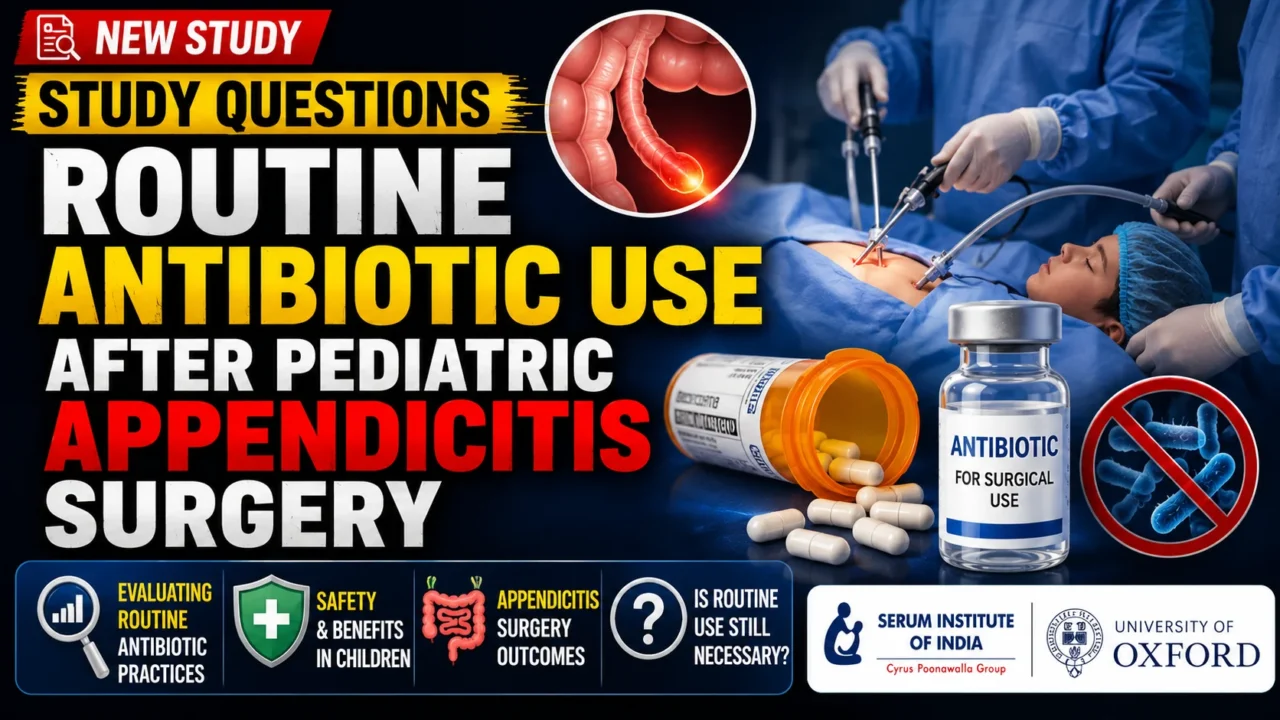

A new study is challenging the long-standing practice of routinely prescribing antibiotics to children after appendicitis surgery. Researchers found that extended antibiotic treatment may not always provide additional benefits for pediatric patients, raising important questions about current postoperative care guidelines.
The findings could help reduce unnecessary antibiotic use, lower healthcare costs, and contribute to the global fight against antibiotic resistance.
Understanding Pediatric Appendicitis
Appendicitis is one of the most common surgical emergencies in children. It occurs when the appendix becomes inflamed and infected, often requiring surgical removal through an appendectomy.
Traditionally, many children receive antibiotics after surgery to prevent infections and complications. However, growing concerns about antibiotic overuse have prompted researchers to re-evaluate whether routine postoperative treatment is always necessary.
What Did the Study Find?
The study examined outcomes among children who underwent appendicitis surgery and compared those who received extended antibiotic treatment with those who received limited or no postoperative antibiotics.
Researchers found that in many uncomplicated cases, prolonged antibiotic use did not significantly reduce the risk of infections, hospital readmissions, or other complications.
These findings suggest that some children may recover just as effectively without additional antibiotic courses after surgery.
Why Reducing Antibiotic Use Matters
Overuse of antibiotics is a major public health concern worldwide. Unnecessary antibiotic exposure can lead to:
- Antibiotic resistance
- Drug-related side effects
- Increased healthcare costs
- Disruption of healthy gut bacteria
By limiting antibiotic use to cases where it is truly needed, healthcare providers can help preserve the effectiveness of these life-saving medications.

Potential Benefits for Patients
If future guidelines adopt a more selective approach to postoperative antibiotics, pediatric patients could benefit from:
- Fewer medication-related side effects
- Shorter treatment durations
- Reduced risk of antibiotic resistance
- Lower medical expenses
- Improved overall recovery experience
Implications for Clinical Practice
The study highlights the importance of personalized treatment strategies rather than a one-size-fits-all approach. Physicians may increasingly assess each patient’s condition, severity of appendicitis, and risk factors before deciding whether postoperative antibiotics are necessary.
Experts emphasize that antibiotics remain essential in complicated cases involving perforation, severe infection, or other high-risk conditions. However, routine use after uncomplicated appendicitis surgery may deserve reconsideration.
Conclusion
The new research adds to growing evidence that routine antibiotic use after pediatric appendicitis surgery may not always be necessary. By identifying patients who can safely recover without extended antibiotic treatment, healthcare providers may improve patient care while helping combat the global challenge of antibiotic resistance.
Recommended Products