




Introduction
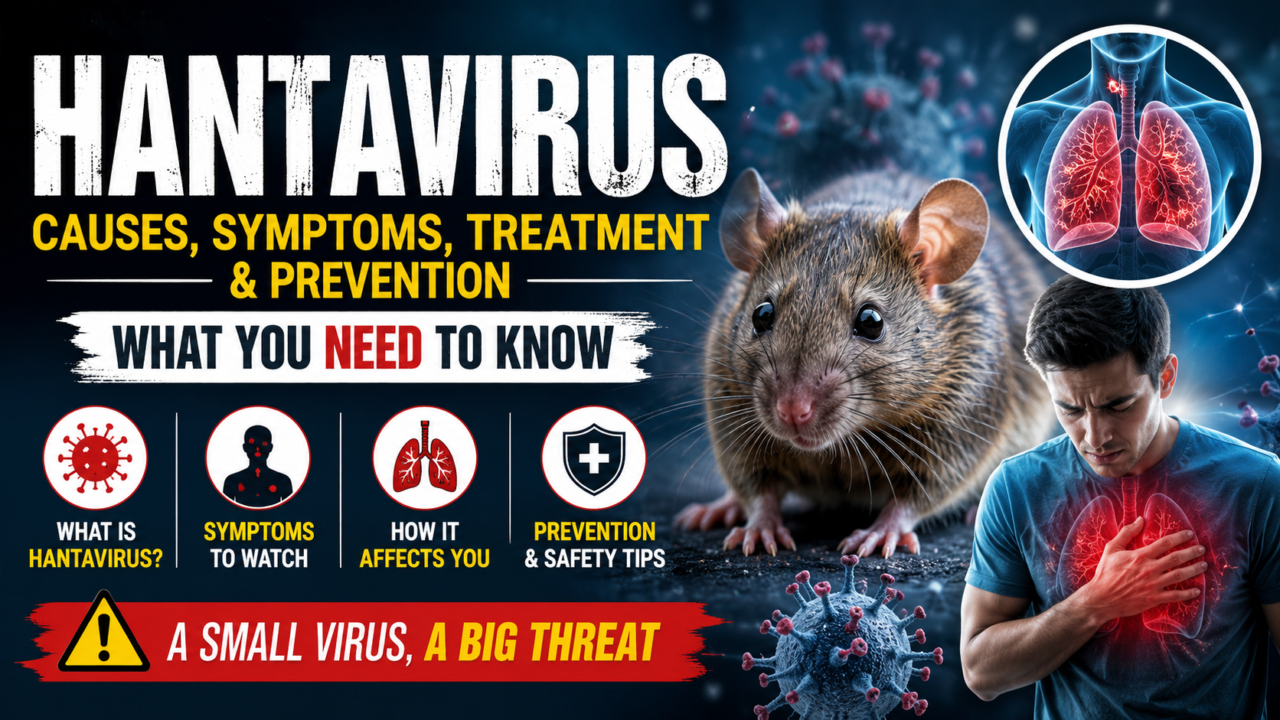
Hantavirus is a rare but potentially serious viral infection that spreads mainly through contact with infected rodents and their droppings, urine, or saliva. Although uncommon, hantavirus infections can become life-threatening if not diagnosed and treated early. The disease has gained global attention because of its severe respiratory complications and occasional outbreaks in different countries.
Hantaviruses belong to the Orthohantavirus genus and are found worldwide. Different strains of the virus can cause different diseases. In the Americas, hantaviruses mainly cause Hantavirus Pulmonary Syndrome (HPS), while in Europe and Asia they commonly cause Hemorrhagic Fever with Renal Syndrome (HFRS).
According to the Centers for Disease Control and Prevention (CDC) and the World Health Organization (WHO), hantavirus infections are primarily linked to rodents and are not easily spread between humans, except for rare cases involving the Andes virus strain.
What is Hantavirus?
Hantavirus is a family of viruses carried by rodents such as rats and mice. Humans become infected mainly by breathing in virus particles released from contaminated rodent urine, saliva, or droppings.
The virus can survive in dust particles, especially in closed or poorly ventilated places like:
- Warehouses
- Basements
- Cabins
- Farms
- Garages
- Storage rooms
- Abandoned buildings
Once the virus enters the body, it can affect the lungs, kidneys, heart, and blood vessels.
Types of Hantavirus Diseases
1. Hantavirus Pulmonary Syndrome (HPS)
HPS is mostly found in North and South America. It primarily affects the lungs and can quickly become severe.
Common Features:
- Severe breathing difficulty
- Fluid buildup in lungs
- Low blood pressure
- Rapid progression
Mortality Rate:
The fatality rate can range between 30% to 40% in severe cases.
2. Hemorrhagic Fever with Renal Syndrome (HFRS)
HFRS is more common in Europe and Asia.
Common Features:
- Kidney damage
- Internal bleeding
- Low blood pressure
- Fever
The severity can vary from mild illness to dangerous kidney failure.

How Does Hantavirus Spread?
Hantavirus mainly spreads through contact with infected rodents.
Major Transmission Routes
1. Breathing Contaminated Air
This is the most common method of infection. When rodent droppings or urine dry out and become airborne, people can inhale virus particles.
2. Direct Contact
Touching contaminated surfaces and then touching the nose, mouth, or eyes can spread the virus.
3. Rodent Bites
Although rare, infected rodent bites may transmit the virus.
4. Contaminated Food
Food contaminated by rodent saliva or urine can sometimes spread infection.
Can Hantavirus Spread From Person to Person?
Most hantavirus strains do NOT spread between humans.
However, the Andes virus strain found in South America has shown limited human-to-human transmission in rare cases involving close contact.
Health organizations currently state that hantavirus does not spread easily like COVID-19 or influenza.
Symptoms of Hantavirus
Symptoms usually appear 1 to 8 weeks after exposure.
The illness generally develops in two stages.
Early Symptoms
The early stage looks similar to flu or viral fever.
Common Early Symptoms:
- Fever
- Chills
- Severe muscle aches
- Fatigue
- Headache
- Nausea
- Vomiting
- Abdominal pain
- Dizziness
Some patients may also experience diarrhea.
Advanced Symptoms
As the disease worsens, serious respiratory symptoms may appear.
Severe Symptoms:
- Shortness of breath
- Chest tightness
- Coughing
- Fluid in lungs
- Rapid heartbeat
- Low oxygen levels
- Difficulty breathing
At this stage, emergency medical treatment becomes critical.
Symptoms of HFRS
People with Hemorrhagic Fever with Renal Syndrome may experience:
- High fever
- Low blood pressure
- Kidney pain
- Reduced urine output
- Internal bleeding
- Blurred vision
- Redness of skin
- Kidney failure in severe cases
Who is Most at Risk?
Certain people are more likely to be exposed to hantavirus.
High-Risk Groups:
- Farmers
- Construction workers
- Forest workers
- Campers and hikers
- Warehouse workers
- People living in rodent-infested homes
- Cleaning staff in abandoned buildings
- Pet store or laboratory workers handling rodents
Diagnosis of Hantavirus
Diagnosing hantavirus can be difficult because early symptoms resemble flu, dengue, COVID-19, malaria, or pneumonia.
Doctors usually consider:
- Exposure history
- Contact with rodents
- Respiratory symptoms
- Blood test abnormalities
Common Diagnostic Tests:
Blood Tests
Used to detect antibodies against hantavirus.
PCR Testing
Detects viral genetic material.
Chest X-ray or CT Scan
Helps identify fluid buildup in the lungs.
Treatment of Hantavirus
Currently, there is NO specific antiviral cure approved for hantavirus infection.
Treatment mainly focuses on supportive medical care.
Supportive Treatments Include:
Oxygen Therapy
Helps patients breathe properly.
Intensive Care Unit (ICU)
Severe patients may require intensive monitoring.
Mechanical Ventilation
Breathing machines may be needed if lungs fail.
Fluid Management
Doctors carefully balance fluids to prevent lung complications.
Blood Pressure Support
Medicines may be given to stabilize blood pressure.
Prevention of Hantavirus
Preventing contact with rodents is the most effective way to avoid infection.
Important Prevention Tips
1. Control Rodents
- Seal holes in walls and doors
- Use rodent traps
- Store food properly
- Remove garbage regularly
2. Clean Safely
Never sweep or vacuum dry rodent droppings.
This can release virus particles into the air.
Safe Cleaning Method:
- Wear gloves and mask
- Ventilate the area for at least 30 minutes
- Spray disinfectant or bleach solution
- Wait several minutes
- Wipe with paper towels
- Dispose safely
- Wash hands thoroughly
3. Protect Outdoor Areas
- Avoid sleeping near rodent nests
- Store camping food carefully
- Use raised sleeping platforms while camping
Hantavirus vs COVID-19
Many people compare hantavirus to COVID-19 because both can affect the lungs.
However, they are very different diseases.
| Feature | Hantavirus | COVID-19 |
|---|---|---|
| Main Source | Rodents | Humans |
| Human-to-Human Spread | Rare | Common |
| Affected Organ | Lungs/Kidneys | Mainly lungs |
| Vaccine Availability | No approved vaccine globally | Multiple vaccines available |
| Transmission | Rodent exposure | Respiratory droplets |
Global Cases and Statistics
Hantavirus infections are considered rare worldwide.
According to CDC reports, around 890 confirmed hantavirus cases were reported in the United States between 1993 and 2023.
Countries in the Americas, Europe, and Asia continue monitoring hantavirus outbreaks.
WHO has also reported occasional outbreaks associated with Andes virus in South America.
Recent Hantavirus Concerns
Recently, global health organizations monitored a cluster of Andes virus infections linked to cruise ship travelers. WHO stated that the overall risk to the public remains low, although health authorities continue surveillance and contact tracing.
Experts emphasize that hantavirus is not spreading like a pandemic virus.
Is There a Vaccine for Hantavirus?
Currently, there is no widely approved vaccine available globally for hantavirus infection.
Researchers continue studying:
- Experimental vaccines
- Antiviral therapies
- Immune-based treatments
Early medical care remains the best protection against severe complications.
When Should You See a Doctor?
Seek immediate medical attention if you:
- Develop breathing difficulty after rodent exposure
- Experience high fever with severe body pain
- Notice sudden chest tightness
- Have persistent vomiting or dizziness
Early hospitalization can significantly improve survival.
Important Facts About Hantavirus
- Hantavirus is rare but dangerous.
- Rodents are the primary carriers.
- Early symptoms resemble flu.
- Severe cases can lead to respiratory failure.
- There is no specific cure yet.
- Prevention mainly focuses on rodent control and safe cleaning practices.
Frequently Asked Questions (FAQs)
1. Is hantavirus contagious?
Most hantavirus strains are not contagious between humans.
2. Can hantavirus be cured?
There is no specific cure, but supportive treatment improves survival chances.
3. How deadly is hantavirus?
Severe HPS cases can have a mortality rate of 30%–40%.
4. How long does hantavirus survive in the environment?
The virus may survive for several days under favorable conditions.
5. Which rodents carry hantavirus?
Different species of rats and mice carry different hantavirus strains.
Conclusion
Hantavirus is a serious rodent-borne viral disease that can cause life-threatening lung or kidney complications. Although the infection is rare, awareness and prevention are extremely important.
Maintaining clean surroundings, controlling rodents, and using safe cleaning methods are the best ways to reduce risk.
Because early symptoms can resemble common viral illnesses, people should never ignore breathing difficulty or flu-like symptoms after possible rodent exposure.
Public health organizations such as the CDC and WHO continue monitoring hantavirus activity worldwide while researchers work on vaccines and better treatments.
Sources
- CDC – Hantavirus Information
- World Health Organization (WHO)
- Mayo Clinic
- JAMA Network
- European Centre for Disease Prevention and Control (ECDC)
Medical information verified using recent guidance from CDC and WHO.
Recommended Products