


Quick Summary
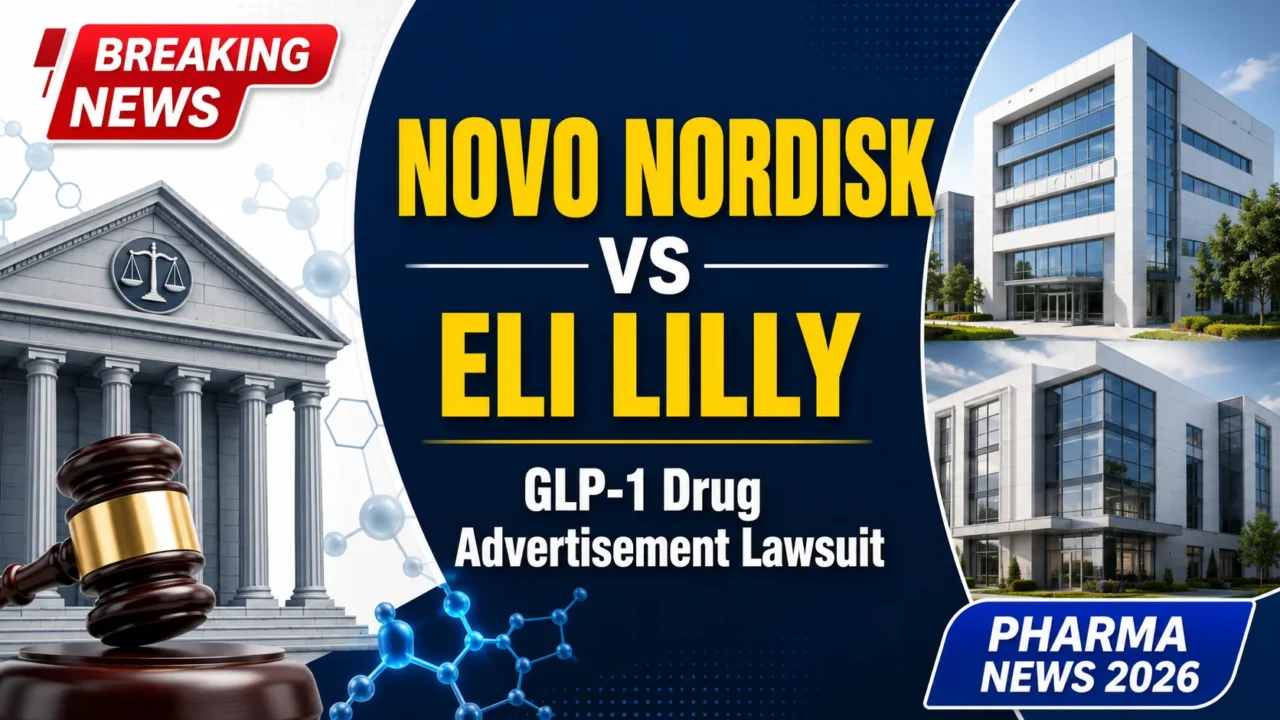
Novo Nordisk has filed a lawsuit against Eli Lilly in a U.S. federal court, alleging that Lilly’s advertisements for Zepbound and Mounjaro are misleading because they omit important information about the latest approved higher doses of Wegovy. Eli Lilly has denied the allegations and says it will defend the lawsuit. The case highlights the growing competition in the GLP-1 obesity and diabetes treatment market.
Novo Nordisk Files Lawsuit Against Eli Lilly Over GLP-1 Drug Advertisements
Novo Nordisk has initiated legal action against Eli Lilly and Company in the United States, alleging that the company’s advertising campaigns for its GLP-1 medicines contain misleading claims and fail to present complete scientific information.
The lawsuit focuses on promotional advertisements comparing Lilly’s Zepbound and Mounjaro with Novo Nordisk’s Wegovy and Ozempic. According to Novo Nordisk, these advertisements omit important information regarding the latest approved higher doses of Wegovy, which could influence treatment decisions made by healthcare professionals and patients.

Overview
| Particular | Details |
|---|---|
| Plaintiff | Novo Nordisk |
| Defendant | Eli Lilly and Company |
| Legal Action | Lawsuit filed in U.S. Federal Court |
| Drug Category | GLP-1 Medicines |
| Novo Nordisk Drugs | Wegovy, Ozempic |
| Eli Lilly Drugs | Zepbound, Mounjaro |
| Main Allegation | Misleading advertisements and incomplete scientific information |
Why Did Novo Nordisk File the Lawsuit?
According to Novo Nordisk, Eli Lilly’s advertising campaigns compare its obesity and diabetes medicines with Novo Nordisk’s products but do not include updated information about the latest approved higher doses of Wegovy.
The company believes that omitting this information may provide healthcare professionals and patients with an incomplete understanding of the available scientific evidence.
Novo Nordisk argues that pharmaceutical advertising should accurately reflect:
- Approved product information
- Current scientific evidence
- Updated dosing information
- Balanced comparison between medicines
Cease-and-Desist Letter Sent Before Lawsuit
Before filing the lawsuit, Novo Nordisk stated that it sent a cease-and-desist letter requesting Eli Lilly to:
- Stop the advertising campaign.
- Correct the promotional materials.
- Provide updated scientific information.
According to Novo Nordisk, the advertisements continued despite these requests, prompting the company to seek legal action in a U.S. federal court.

Novo Nordisk’s Position
Novo Nordisk emphasized that people living with:
- Obesity
- Type 2 Diabetes
deserve access to accurate, balanced, and up-to-date medical information when making treatment decisions.
The company believes pharmaceutical promotional materials should always reflect the latest approved product labeling and scientific evidence.
Eli Lilly’s Response
Eli Lilly has rejected the allegations and stated that:
- Its advertisements are truthful.
- Promotional claims are transparent.
- Scientific evidence supports its advertising.
- The company intends to defend the lawsuit in court.
At this stage, the legal dispute remains unresolved.
Drugs Involved in the Lawsuit
| Company | Drug | Primary Use |
|---|---|---|
| Novo Nordisk | Wegovy | Obesity Management |
| Novo Nordisk | Ozempic | Type 2 Diabetes |
| Eli Lilly | Zepbound | Obesity Management |
| Eli Lilly | Mounjaro | Type 2 Diabetes |
What Are GLP-1 Medicines?
GLP-1 (Glucagon-Like Peptide-1) receptor agonists are medicines used to:
- Improve blood sugar control
- Support weight loss
- Treat obesity
- Manage Type 2 Diabetes
These medicines have become one of the fastest-growing therapeutic areas worldwide due to increasing demand for obesity and diabetes treatments.
Why Is This Lawsuit Important?
The lawsuit is significant because it raises questions about:
- Accuracy of pharmaceutical advertising
- Fair comparison between competing medicines
- Transparency in drug promotion
- Availability of updated scientific evidence
- Patient and healthcare professional decision-making
It also reflects the intense competition between two of the world’s leading pharmaceutical companies in the rapidly expanding GLP-1 market.
Growing Competition in the GLP-1 Market
Novo Nordisk and Eli Lilly are currently among the global leaders in developing medicines for:
- Obesity
- Weight Management
- Type 2 Diabetes
With increasing demand for GLP-1 therapies, competition between both companies has intensified in areas such as:
- Clinical research
- Drug approvals
- Market share
- Advertising campaigns
The ongoing lawsuit is another example of this growing rivalry.
Key Takeaways
- Novo Nordisk has filed a lawsuit against Eli Lilly in a U.S. federal court.
- The lawsuit alleges Lilly’s GLP-1 advertisements are misleading.
- Novo Nordisk claims the advertisements omit information about higher approved doses of Wegovy.
- Eli Lilly maintains that its advertising is truthful and scientifically supported.
- The case underscores the importance of accurate pharmaceutical advertising and the competitive nature of the GLP-1 drug market.
Frequently Asked Questions (FAQs)
1. Why did Novo Nordisk sue Eli Lilly?
Novo Nordisk alleges that Eli Lilly’s advertisements for Zepbound and Mounjaro are misleading because they do not include updated information about higher approved doses of Wegovy.
2. Which drugs are involved in the lawsuit?
The dispute involves:
- Wegovy
- Ozempic
- Zepbound
- Mounjaro
3. What is the main allegation?
Novo Nordisk claims the advertisements present incomplete scientific information and could mislead healthcare professionals and patients.
4. How has Eli Lilly responded?
Eli Lilly has stated that its advertising is truthful, transparent, supported by scientific evidence, and that it will defend the lawsuit.
5. What are GLP-1 medicines used for?
GLP-1 medicines are primarily used to treat obesity and Type 2 diabetes by improving blood sugar control and supporting weight management.
6. Has the court issued a final decision?
No. The lawsuit has been filed, and the legal proceedings are ongoing. No final court decision has been announced.
Conclusion
The legal dispute between Novo Nordisk and Eli Lilly highlights the growing competition in the rapidly expanding GLP-1 medicine market. While Novo Nordisk argues that Lilly’s advertisements provide an incomplete picture of available scientific evidence, Eli Lilly maintains that its promotional claims are accurate and well-supported. The outcome of this case may influence future standards for pharmaceutical advertising and promotional practices, particularly in the fields of obesity and Type 2 diabetes treatment.
Recommended Products