



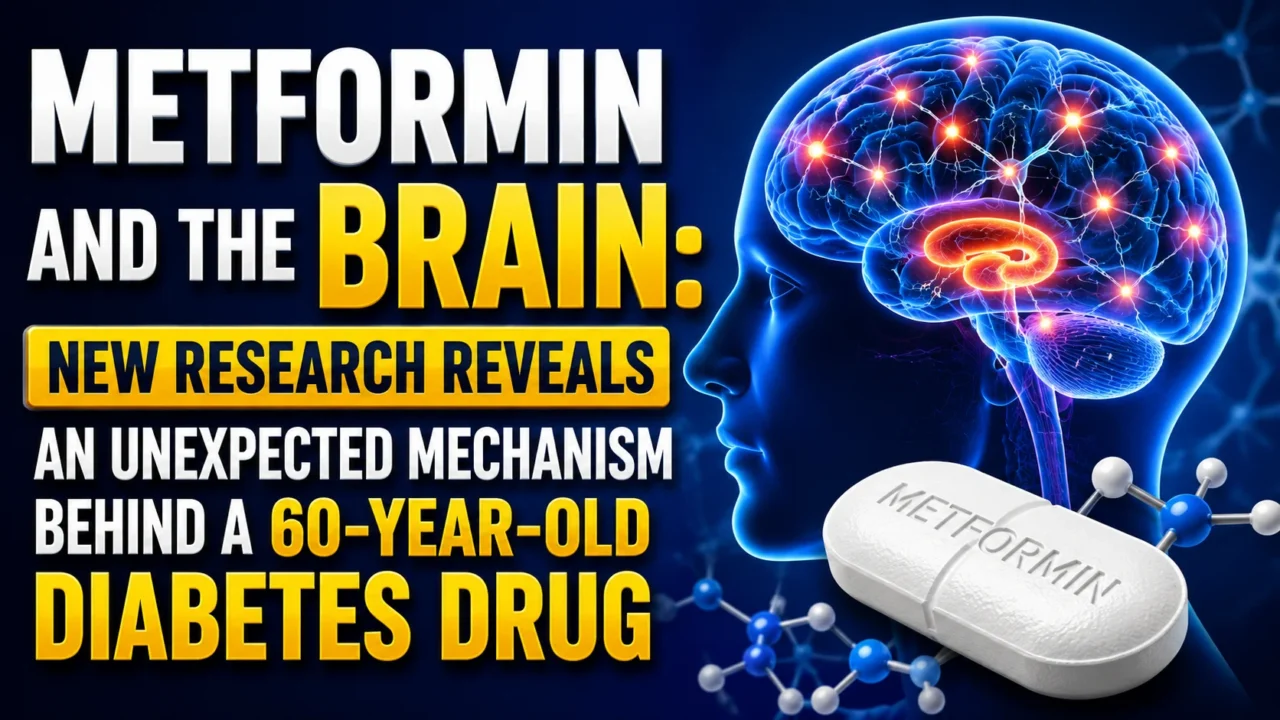

Metformin has been one of the most widely prescribed medications for Type 2 Diabetes for more than six decades. Known primarily for its ability to lower blood glucose levels, the drug has long been believed to work mainly through the liver and gastrointestinal tract. However, groundbreaking new research suggests that metformin may also act directly on the brain, opening exciting possibilities for future diabetes treatment and metabolic health research.

Metformin: A Cornerstone of Diabetes Management
Since its introduction, metformin has been considered the first-line treatment for Type 2 Diabetes Mellitus (T2DM). The drug helps control blood sugar by:
- Reducing glucose production in the liver
- Improving insulin sensitivity
- Enhancing glucose uptake by tissues
- Decreasing intestinal glucose absorption
Because of its effectiveness, affordability, and safety profile, millions of patients worldwide rely on metformin as part of their diabetes management plan.
The New Discovery: Metformin Acts on the Brain
Researchers from the Baylor College of Medicine have discovered that metformin’s benefits may extend beyond the liver and gut. Their study indicates that the drug directly targets a specific region of the brain called the ventromedial hypothalamus (VMH).
The hypothalamus plays a critical role in regulating:
- Energy balance
- Appetite
- Metabolism
- Blood glucose levels
- Hormonal signaling
This finding challenges the traditional understanding of how metformin works and suggests that the brain may be an important target for its glucose-lowering effects.
How Does Metformin Affect the Brain?
According to the research, metformin activates specific neurons within the ventromedial hypothalamus. These neurons influence metabolic pathways that help regulate blood sugar levels.
Scientists also identified a protein called Rap1, which appears to be involved in this mechanism. Metformin was found to suppress Rap1 activity, which may contribute significantly to its antidiabetic effects.
Key Findings
- Metformin directly influences brain neurons.
- The ventromedial hypothalamus is an important target.
- Suppression of Rap1 may improve metabolic regulation.
- Brain-mediated pathways may contribute to blood sugar control.
Why Is This Discovery Important?
This research could reshape how scientists understand diabetes treatment. If metformin exerts some of its effects through the brain, future therapies could be designed to target similar neural pathways more precisely.
Potential benefits include:
1. Better Diabetes Treatments
Understanding brain-based glucose regulation could lead to more effective medications for diabetes.
2. Improved Metabolic Health
The findings may help researchers develop treatments for obesity and metabolic syndrome.
3. Insights Into Healthy Aging
Previous studies have linked metformin to healthy aging and longevity. Brain-related mechanisms may partly explain these observations.
4. New Targets for Drug Development
Proteins such as Rap1 may become potential therapeutic targets for future antidiabetic drugs.
Could Metformin Have Benefits Beyond Diabetes?
Researchers have long been interested in metformin’s potential effects outside glucose control. Studies have explored its role in:
- Weight management
- Cardiovascular protection
- Cognitive health
- Longevity and aging
- Cancer prevention research
While more evidence is needed, the new brain-related findings provide another possible explanation for these broader health benefits.
What Does This Mean for Patients?
For people currently taking metformin, this discovery does not change treatment recommendations. Metformin remains one of the safest and most effective medications for Type 2 Diabetes.
However, the study highlights that scientists are still uncovering new aspects of how this well-established drug works. Understanding these mechanisms may lead to improved therapies and personalized treatment approaches in the future.
Conclusion
After more than 60 years of clinical use, metformin continues to surprise researchers. The latest findings suggest that the drug does not act solely through the liver and gut but may also directly influence the brain’s metabolic control centers. By targeting neurons in the ventromedial hypothalamus and suppressing Rap1 signaling, metformin may regulate blood sugar in ways previously unknown.
This discovery represents an important step forward in diabetes research and could pave the way for innovative treatments that harness the brain’s role in metabolic regulation.
Recommended Products