



Your Brain Is Constantly Changing
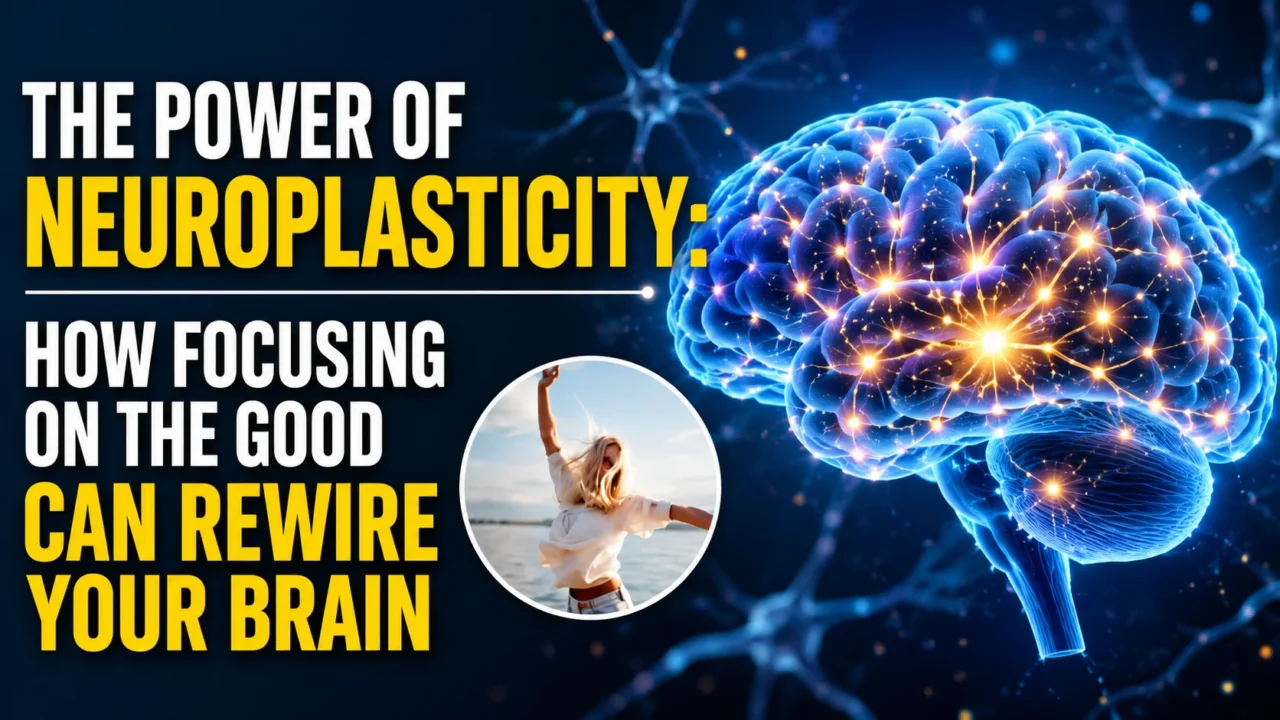
Many people believe that the brain becomes fixed after childhood, but modern neuroscience tells a very different story. The human brain has an incredible ability to adapt, grow, and reorganize itself throughout life. This remarkable capability is known as neuroplasticity.
Neuroplasticity refers to the brain’s ability to form new neural connections, strengthen existing pathways, and reorganize itself in response to experiences, learning, and thoughts. Simply put, the brain continuously rewires itself based on where we direct our attention.

What Is Neuroplasticity?
Neuroplasticity is the process through which the brain changes its structure and function in response to experiences and behaviors.
Every thought, emotion, habit, and experience activates specific neural pathways. The more frequently these pathways are used, the stronger they become. Over time, repeated thoughts and behaviors create lasting patterns in the brain.
This means that what we consistently focus on can influence how our brain is wired.
Why Focusing on Positive Experiences Matters
Research suggests that repeatedly focusing on positive experiences can strengthen neural circuits associated with happiness, gratitude, resilience, and emotional well-being.
When individuals regularly notice positive moments such as:
- Acts of kindness
- Personal achievements
- Gratitude
- Meaningful relationships
- Moments of peace and safety
the brain becomes more efficient at recognizing similar positive experiences in the future.
This doesn’t mean ignoring challenges or pretending problems don’t exist. Instead, it means intentionally giving attention to positive experiences so they receive the same mental importance as negative ones.
The Science Behind Positive Thinking
The human brain naturally has a “negativity bias,” an evolutionary mechanism that helps identify threats and dangers. While this was useful for survival, it can sometimes cause people to focus excessively on stress, fear, and problems.
Practices such as mindfulness, gratitude journaling, meditation, and positive reflection can help counterbalance this tendency.
Studies have shown that these practices may:
- Reduce stress levels
- Improve emotional resilience
- Enhance mood
- Strengthen attention and focus
- Promote healthier coping mechanisms
- Support overall mental well-being
Over time, the repeated activation of positive neural pathways can make optimism and resilience more natural.
How Neuroplasticity Influences Daily Life
Neuroplasticity affects nearly every aspect of human behavior, including:
Learning New Skills
Whether learning a language, musical instrument, or professional skill, repeated practice strengthens relevant neural networks.
Building Better Habits
Consistent actions gradually create stronger pathways, making healthy habits easier to maintain.
Emotional Growth
Positive coping strategies and emotional regulation techniques can reshape how the brain responds to stress.
Recovery and Rehabilitation
Neuroplasticity plays a crucial role in recovery from injuries, strokes, and certain neurological conditions.
Simple Ways to Harness Neuroplasticity
You can actively support healthy brain rewiring through daily practices such as:
Practice Gratitude
Spend a few minutes each day identifying things you appreciate.
Engage in Mindfulness
Mindfulness helps train attention and increases awareness of positive experiences.
Learn Something New
Challenging the brain encourages the formation of new neural connections.
Exercise Regularly
Physical activity supports brain health and promotes neuroplastic changes.
Focus on Positive Experiences
Take time to fully notice and appreciate moments of joy, achievement, or connection.
Maintain Social Connections
Meaningful relationships stimulate emotional and cognitive growth.
The Long-Term Impact
The thoughts and experiences we repeatedly focus on help shape our brain over time. By intentionally directing attention toward constructive and positive experiences, we can strengthen neural pathways that support well-being, resilience, and personal growth.
While neuroplasticity does not eliminate life’s challenges, it offers a powerful reminder that our brains remain adaptable throughout life. Every day presents an opportunity to build healthier patterns of thinking and behavior.
Conclusion
Neuroplasticity demonstrates that the brain is not a static organ but a dynamic system capable of continuous change. By focusing on positive experiences, practicing gratitude, and developing healthy habits, individuals can influence the way their brains process information and respond to life’s challenges.
The more attention we give to positive experiences, the stronger those neural pathways become. In many ways, the brain grows where attention goes.
Recommended Products