

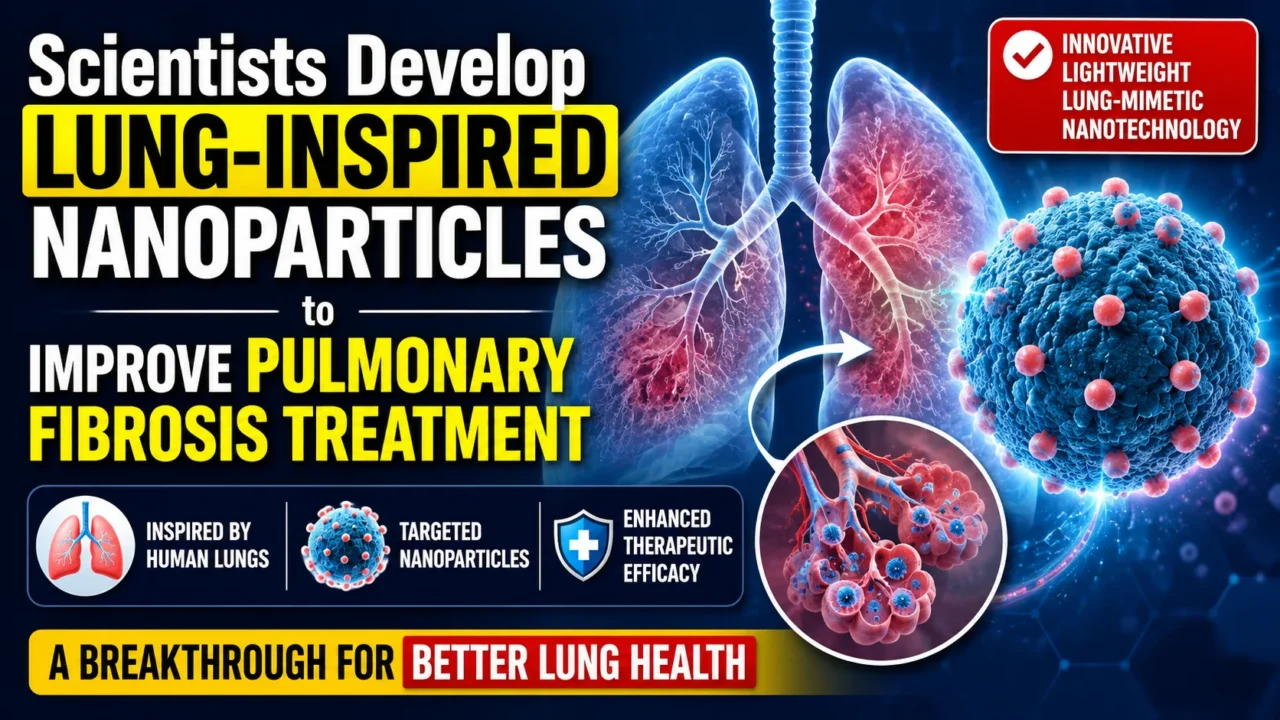

Pulmonary fibrosis is a serious and often progressive lung disease that causes scarring of lung tissue, making it increasingly difficult for patients to breathe. Despite advances in medicine, effective treatments remain limited, and many therapies struggle to reach damaged lung tissues efficiently. In a groundbreaking development, researchers have now created lung-inspired nanoparticles designed to mimic natural lung functions and deliver medications directly to diseased areas, offering new hope for patients suffering from pulmonary fibrosis.
What Is Pulmonary Fibrosis?
Pulmonary fibrosis occurs when lung tissue becomes thickened, stiff, and scarred over time. This scarring reduces the lungs’ ability to transfer oxygen into the bloodstream, leading to symptoms such as:
- Persistent dry cough
- Shortness of breath
- Fatigue
- Chest discomfort
- Reduced exercise tolerance
The disease can result from environmental exposures, autoimmune disorders, infections, or may occur without a known cause, referred to as Idiopathic Pulmonary Fibrosis (IPF).
The Challenge of Treating Pulmonary Fibrosis
Current treatments, including antifibrotic drugs such as pirfenidone and nintedanib, can slow disease progression but often come with significant side effects and limited effectiveness.
One major challenge is that medications administered orally or intravenously do not always reach the scarred lung tissue in sufficient concentrations. As a result, researchers have been searching for targeted drug delivery systems capable of improving treatment outcomes while reducing systemic side effects.
Lung-Inspired Nanoparticles: A Breakthrough Innovation
Scientists have developed a new class of nanoparticles inspired by the natural structure and function of lung surfactants—the substances that help keep air sacs open and functioning properly.
These engineered nanoparticles are designed to:
- Travel efficiently through the respiratory system
- Penetrate fibrotic lung tissue
- Deliver therapeutic drugs directly to damaged cells
- Improve drug absorption and retention
- Reduce unwanted effects on healthy tissues
By mimicking key characteristics of natural lung components, these nanoparticles can navigate the complex lung environment more effectively than conventional drug delivery methods.

How Do These Nanoparticles Work?
The innovative nanoparticles act as microscopic carriers that encapsulate therapeutic compounds.
Step-by-Step Mechanism
- Drug Loading
- Antifibrotic medications are loaded into the nanoparticles.
- Targeted Delivery
- The particles are administered through inhalation or other delivery methods.
- Lung Penetration
- Their lung-inspired design allows them to bypass barriers that typically limit drug access.
- Controlled Release
- The nanoparticles gradually release medication at the site of fibrosis.
- Enhanced Therapeutic Effect
- Higher local drug concentrations improve treatment efficiency while minimizing systemic exposure.
Benefits of Lung-Inspired Nanoparticle Technology
1. Improved Drug Targeting
The nanoparticles specifically accumulate in diseased lung tissues, increasing treatment effectiveness.
2. Reduced Side Effects
Since the medication is delivered directly to affected areas, lower overall doses may be required.
3. Enhanced Drug Stability
Nanoparticles protect medications from degradation before reaching their target.
4. Better Patient Compliance
Potential inhalation-based administration may be more convenient than frequent oral or injectable therapies.
5. Potential for Combination Therapy
The technology could carry multiple therapeutic agents simultaneously for enhanced disease management.
Research Findings
Preclinical studies have shown promising results:
- Improved drug delivery to fibrotic lung tissue
- Better reduction of inflammation and fibrosis markers
- Enhanced therapeutic efficacy compared with conventional delivery methods
- Minimal toxicity observed in experimental models
Researchers believe that this approach could significantly improve outcomes for patients with chronic lung diseases beyond pulmonary fibrosis.
Future Applications Beyond Pulmonary Fibrosis
The potential of lung-inspired nanoparticles extends far beyond a single disease.
Researchers are exploring their use in:
- Chronic Obstructive Pulmonary Disease (COPD)
- Asthma
- Lung cancer
- Acute Respiratory Distress Syndrome (ARDS)
- Respiratory infections
- Targeted gene therapies
This platform may eventually become a versatile tool for treating a wide range of pulmonary conditions.
Challenges Ahead
While the results are encouraging, several hurdles remain:
- Large-scale manufacturing requirements
- Long-term safety evaluations
- Regulatory approval processes
- Human clinical trials
- Cost-effectiveness assessments
Further studies will be essential before the technology becomes available for routine clinical use.
What This Means for Patients
For individuals living with pulmonary fibrosis, this innovation represents a promising step toward more effective and personalized treatment options. By enhancing drug delivery directly to diseased lung tissue, lung-inspired nanoparticles may help slow disease progression, improve quality of life, and potentially increase survival rates.
Although still under development, the technology demonstrates how biomimicry—learning from nature’s designs—can revolutionize modern medicine.
Conclusion
The development of lung-inspired nanoparticles marks a significant advancement in the fight against pulmonary fibrosis. By mimicking natural lung structures and enabling precise drug delivery, researchers have created a promising new therapeutic strategy that could overcome many limitations of current treatments. As research progresses toward clinical trials, this breakthrough may pave the way for safer, more effective therapies for pulmonary fibrosis and numerous other respiratory diseases.
Recommended Products