



Introduction
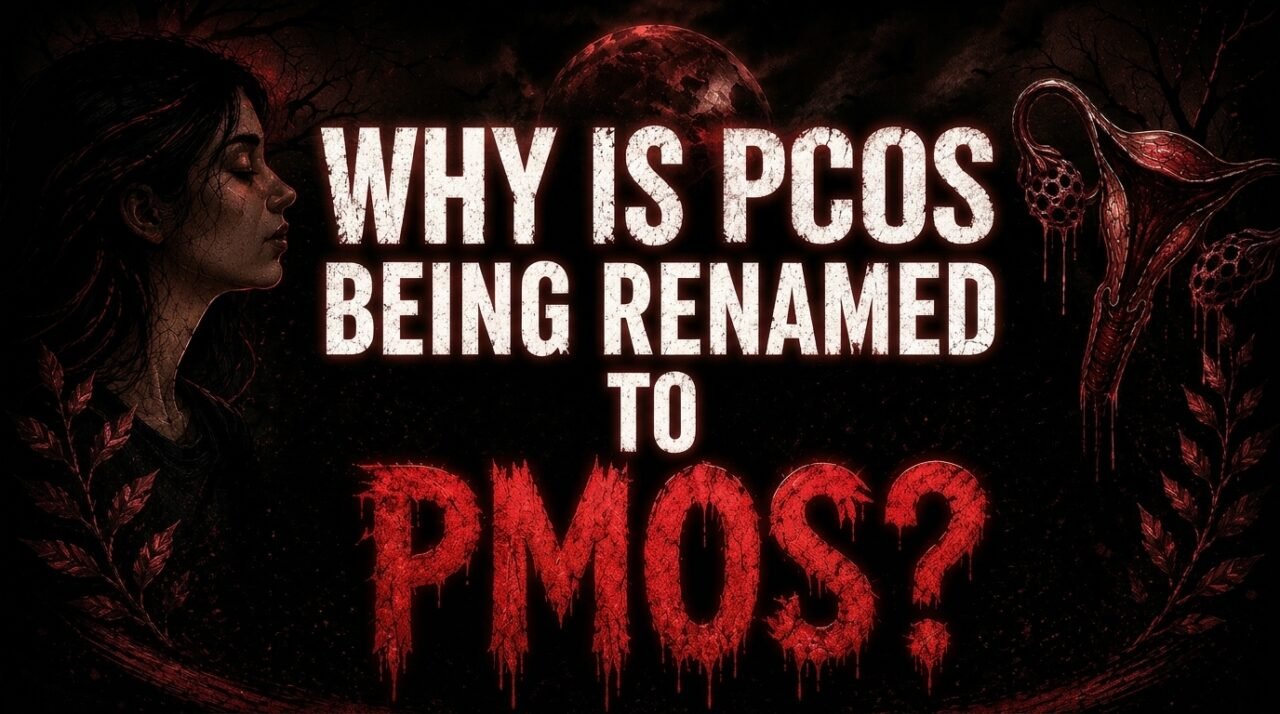
For years, PCOS (Polycystic Ovary Syndrome) has been one of the most commonly diagnosed hormonal disorders affecting women worldwide. But recently, health experts and researchers have started discussing a possible name change — from PCOS to PMOS (Polyfollicular Metabolic Ovarian Syndrome).
This shift is not just about changing a medical term. It reflects a deeper understanding of the condition and aims to improve awareness, diagnosis, and treatment.
In this blog, we’ll explore:
- What PCOS actually is
- Why experts think the name is misleading
- What PMOS means
- How this change could impact women’s healthcare
What Is PCOS?
PCOS is a hormonal and metabolic condition that affects women of reproductive age. It can cause:
- Irregular periods
- Excess facial or body hair
- Acne and oily skin
- Weight gain
- Difficulty getting pregnant
- Insulin resistance
- Ovarian cyst-like follicles
Despite its name, not every woman with PCOS has ovarian cysts. In fact, many women diagnosed with PCOS may not have cysts at all.
This is one of the biggest reasons why experts believe the current name creates confusion.

Why the Name “PCOS” Is Considered Misleading
The term “Polycystic Ovary Syndrome” focuses mainly on the ovaries and cysts. However, modern research shows that PCOS is much more than that.
Here’s the problem:
1. “Cysts” Are Not Always Present
The small structures seen in ovaries are actually immature follicles, not true cysts.
2. PCOS Is a Metabolic Disorder Too
Many women with PCOS experience:
- Insulin resistance
- Increased risk of type 2 diabetes
- Obesity
- High cholesterol
- Heart disease risk
So the condition is not just gynecological — it also affects overall metabolism.
3. The Current Name Causes Delayed Diagnosis
Some women ignore symptoms because scans do not show cysts. Others feel misunderstood because the name doesn’t explain symptoms like fatigue, weight gain, or mood changes.
What Does PMOS Mean?
PMOS stands for:
Polyfollicular Metabolic Ovarian Syndrome
Let’s break it down:
- Polyfollicular → Refers to multiple ovarian follicles
- Metabolic → Highlights insulin resistance and metabolic health
- Ovarian Syndrome → Affects ovarian and reproductive function
This proposed name is believed to better represent the real nature of the condition.
Why Experts Support the Rename
Better Medical Accuracy
The new name focuses on the actual biology of the condition instead of just ovarian appearance.
Improved Awareness
Women may better understand that the condition affects metabolism, hormones, fertility, and long-term health.
Reduced Stigma
The word “cysts” can create fear and misunderstanding. Many patients worry they have dangerous cysts or tumors, which is usually not the case.
Encourages Holistic Treatment
Doctors may focus more on:
- Nutrition
- Exercise
- Insulin management
- Mental health
- Hormonal balance
rather than only reproductive symptoms.
Is PCOS Officially Renamed Yet?
As of now, the rename to PMOS is still under discussion among researchers and medical experts. Major health organizations have not universally adopted the new term yet.
However, the conversation is growing globally because many experts agree the current terminology no longer reflects scientific understanding.
How This Change Could Help Women
If adopted widely, the new terminology may:
- Improve early diagnosis
- Help women take metabolic symptoms seriously
- Encourage personalized treatment plans
- Increase public awareness
- Reduce confusion and anxiety
Most importantly, it may help women feel more understood and properly supported.
Living With PCOS/PMOS
Whether it’s called PCOS or PMOS, managing the condition involves lifestyle and medical support.
Helpful management strategies include:
- Balanced nutrition
- Regular physical activity
- Stress management
- Good sleep habits
- Hormonal treatment (if needed)
- Monitoring blood sugar and insulin levels
Early diagnosis and proper care can greatly improve quality of life.
Final Thoughts
The proposed shift from PCOS to PMOS is more than a simple name change — it represents an evolution in medical understanding.
By emphasizing the metabolic and hormonal nature of the condition, PMOS may provide a clearer, more accurate picture of what millions of women experience every day.
While the official medical community continues discussing the change, one thing is certain: awareness, education, and compassionate healthcare remain the most important priorities.
FAQs
Is PMOS different from PCOS?
No, PMOS is a proposed new name for the same condition, intended to better describe it.
Why remove the word “cyst”?
Because many women with PCOS do not actually have ovarian cysts.
Is PCOS curable?
There is currently no permanent cure, but symptoms can be effectively managed through lifestyle changes and medical treatment.
Does PCOS affect fertility?
Yes, it can affect ovulation and fertility, but many women with PCOS can still conceive with proper treatment and support.Better Medical Accuracy
The new name focuses on the actual biology of the condition instead of just ovarian appearance.
Improved Awareness
Women may better understand that the condition affects metabolism, hormones, fertility, and long-term health.
Reduced Stigma
The word “cysts” can create fear and misunderstanding. Many patients worry they have dangerous cysts or tumors, which is usually not the case.
Encourages Holistic Treatment
Doctors may focus more on:
- Nutrition
- Exercise
- Insulin management
- Mental health
- Hormonal balance
rather than only reproductive symptoms.
Is PCOS Officially Renamed Yet?
As of now, the rename to PMOS is still under discussion among researchers and medical experts. Major health organizations have not universally adopted the new term yet.
However, the conversation is growing globally because many experts agree the current terminology no longer reflects scientific understanding.
How This Change Could Help Women
If adopted widely, the new terminology may:
- Improve early diagnosis
- Help women take metabolic symptoms seriously
- Encourage personalized treatment plans
- Increase public awareness
- Reduce confusion and anxiety
Most importantly, it may help women feel more understood and properly supported.
Living With PCOS/PMOS
Whether it’s called PCOS or PMOS, managing the condition involves lifestyle and medical support.
Helpful management strategies include:
- Balanced nutrition
- Regular physical activity
- Stress management
- Good sleep habits
- Hormonal treatment (if needed)
- Monitoring blood sugar and insulin levels
Early diagnosis and proper care can greatly improve quality of life.
Final Thoughts
The proposed shift from PCOS to PMOS is more than a simple name change — it represents an evolution in medical understanding.
By emphasizing the metabolic and hormonal nature of the condition, PMOS may provide a clearer, more accurate picture of what millions of women experience every day.
While the official medical community continues discussing the change, one thing is certain: awareness, education, and compassionate healthcare remain the most important priorities.
FAQs
Is PMOS different from PCOS?
No, PMOS is a proposed new name for the same condition, intended to better describe it.
Why remove the word “cyst”?
Because many women with PCOS do not actually have ovarian cysts.
Is PCOS curable?
There is currently no permanent cure, but symptoms can be effectively managed through lifestyle changes and medical treatment.
Does PCOS affect fertility?
Yes, it can affect ovulation and fertility, but many women with PCOS can still conceive with proper treatment and support.
Recommended Products