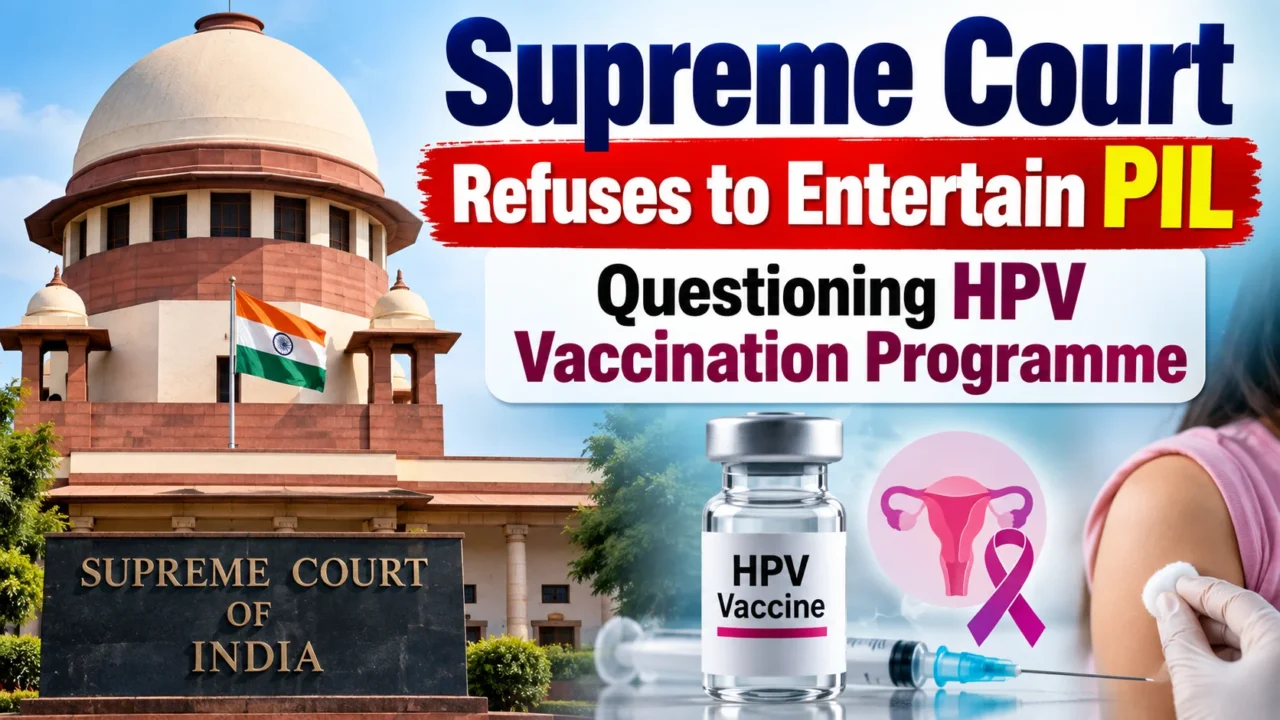



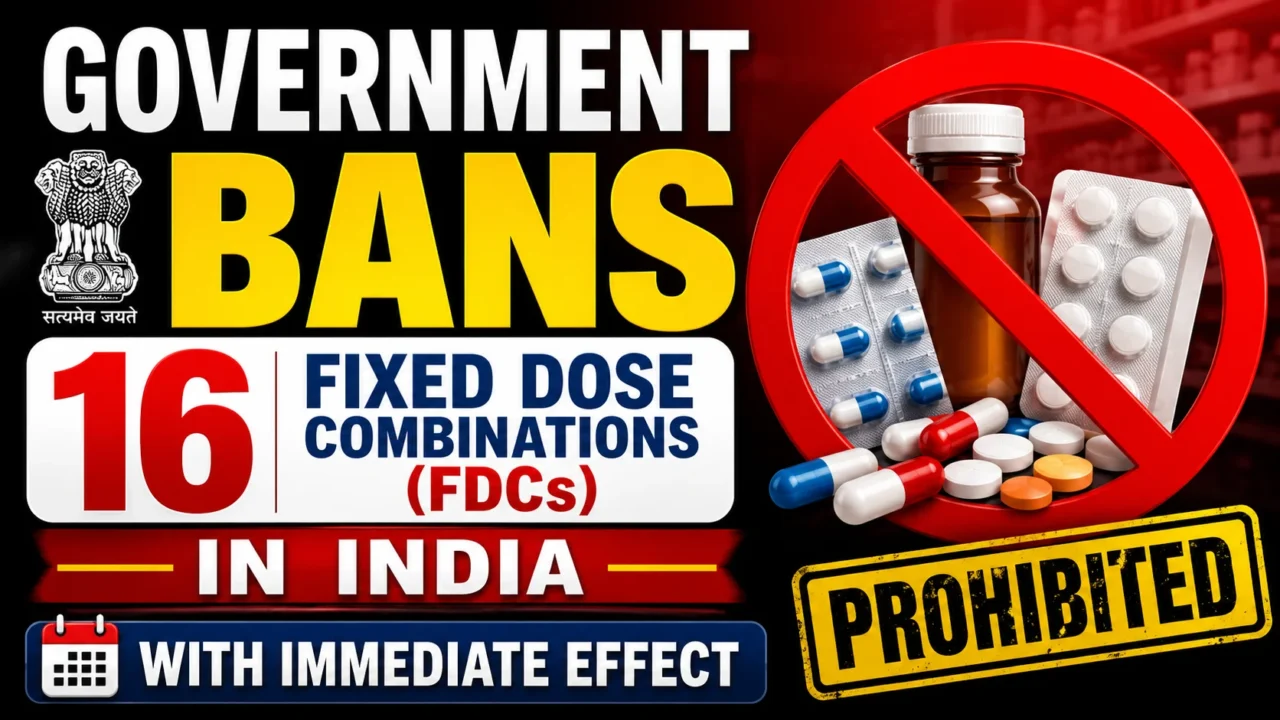

The Government of India has officially prohibited the manufacture, sale, and distribution of 16 Fixed Dose Combinations (FDCs) with immediate effect. The decision was notified through a Gazette Notification dated 11 June 2026 under Section 26A of the Drugs and Cosmetics Act, 1940.
This move aims to promote the rational use of medicines and protect public health by removing irrational drug combinations that lack sufficient therapeutic justification.

What Are Fixed Dose Combinations (FDCs)?
Fixed Dose Combinations (FDCs) are pharmaceutical products that contain two or more active ingredients combined in a fixed ratio within a single dosage form. While many FDCs provide therapeutic advantages, some combinations may be irrational, ineffective, or potentially harmful.
To ensure patient safety, regulatory authorities periodically review such combinations and take action when scientific evidence does not support their continued use.
Why Did the Government Ban These FDCs?
According to the notification, the banned FDCs were found to have:
- No proven therapeutic justification
- Irrational drug combinations
- Potential risks to public health
- Availability of safer and more effective alternatives
The government concluded that the risks associated with these products outweigh their benefits.
Complete List of 16 Banned FDCs
1. Acetyl Salicylic Acid + Ethoheptazine
2. Aloe Vera + Jojoba Oil + Wheat Germ Oil + Tea Tree Oil
3. Amoxicillin + Serratiopeptidase + Lactobacillus Sporogenes
4. Dicyclomine + Paracetamol + Clidinium Bromide + Chlordiazepoxide
5. Amoxicillin + Serratiopeptidase
6. Aloe Extract + Allantoin + Alpha Tocopherol Acetate + D-Panthenol + Vitamin A
7. Aloe Extract + Vitamin E + Dimethicone + Glycerine
8. Aloe Vera + Jojoba Oil + Vitamin E
9. Aloe Vera + Orange Oil
10. Aloe Vera + Vitamin E + Herbal Components
11. Dicyclomine + Paracetamol + Clidinium Bromide
12. Paracetamol + Lignocaine
13. Gliclazide + Chromium Picolinate
14. Amoxicillin + Cloxacillin + Lactic Acid Bacillus + Serratiopeptidase
15. Cefadroxyl + Probenecid
16. Cefuroxime + Serratiopeptidase
Impact on Pharmaceutical Manufacturers
Pharmaceutical companies manufacturing these combinations must immediately stop:
- Production
- Marketing
- Distribution
- Sale
Any violation of the order may attract action under the provisions of the Drugs and Cosmetics Act, 1940.
Impact on Pharmacists and Healthcare Professionals
Healthcare professionals should:
- Review prescriptions carefully.
- Avoid dispensing banned FDCs.
- Educate patients regarding safer alternatives.
- Promote evidence-based prescribing practices.
- Ensure compliance with regulatory guidelines.
Importance of Rational Drug Use
The ban highlights the government’s commitment to promoting rational medicine use. Healthcare professionals are encouraged to prescribe medicines based on scientific evidence, proven efficacy, and patient safety rather than relying on irrational combinations.
Rational prescribing helps:
- Improve treatment outcomes
- Reduce adverse drug reactions
- Minimize antimicrobial resistance
- Enhance patient safety
- Lower unnecessary healthcare costs
Key Takeaway
The Government of India’s decision to ban 16 Fixed Dose Combinations (FDCs) marks another important step toward ensuring safer and more effective healthcare. Pharmacists, doctors, pharmaceutical companies, and healthcare institutions must stay updated with regulatory changes and strictly comply with the notification.
The focus remains clear: patient safety, rational prescribing, and evidence-based healthcare practices.
Recommended Products