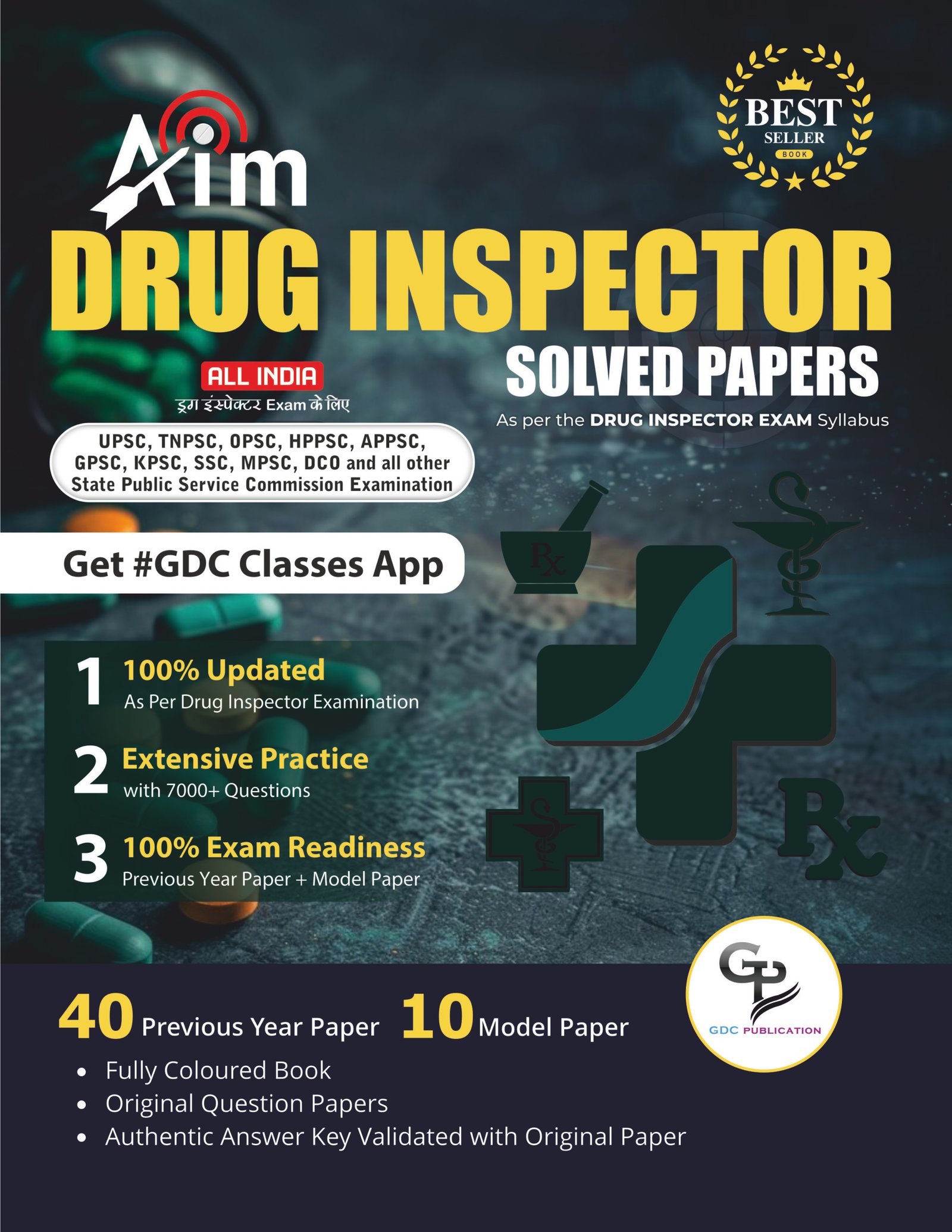



The TNPSC Drug Inspector Exam 2026 is one of the most sought-after government examinations for Pharmacy graduates in Tamil Nadu. Conducted by the Tamil Nadu Public Service Commission (TNPSC), the Drug Inspector post offers an attractive salary, job security, authority, and excellent career growth opportunities in the Drug Control Administration Department. According to the latest TNPSC Combined Technical Services notification, candidates with a degree in Pharmacy, Pharmaceutical Sciences, or Medicine with specialization in Clinical Pharmacology or Microbiology are eligible to apply.
If you are preparing for TNPSC Drug Inspector 2026, this detailed strategy will help you create an effective study plan and maximize your chances of success.

Understanding the TNPSC Drug Inspector Exam
Before starting preparation, candidates must understand the examination pattern and syllabus thoroughly.
The selection process generally consists of:
- Written Examination
- Certificate Verification
- Counselling and Final Selection
The technical paper focuses on Pharmacy, Clinical Pharmacology, and Microbiology subjects.
Know the Syllabus First
The biggest mistake many aspirants make is starting preparation without analyzing the syllabus.
Major subjects include:
Pharmaceutics
- Dosage forms
- Pharmaceutical calculations
- Biopharmaceutics
- Industrial pharmacy
- Novel drug delivery systems
Pharmacology
- General pharmacology
- Autonomic nervous system
- CNS drugs
- Cardiovascular drugs
- Chemotherapy
- Endocrine pharmacology
Pharmaceutical Analysis
- Titrimetric analysis
- Spectroscopy
- Chromatography
- Quality control
Pharmacognosy
- Crude drugs
- Herbal medicines
- Plant constituents
Microbiology
- Sterilization
- Immunology
- Microbial genetics
- Pharmaceutical microbiology
Drug Laws and Regulatory Affairs
- Drugs and Cosmetics Act
- Pharmacy Act
- NDPS Act
- DPCO
- Cosmetics Rules
- GMP and GLP concepts
These areas are specifically highlighted in the official syllabus and recruitment-related documents.
Create a 6-Month Preparation Plan
Phase 1: Concept Building (Month 1-2)
Focus on strengthening fundamentals.
Study:
- Pharmaceutics
- Pharmacology
- Pharmaceutical Chemistry basics
- Microbiology
Goal:
- Complete basic concepts.
- Prepare short notes.
- Solve topic-wise MCQs.
Study Time:
- 5–6 hours daily.
Phase 2: Advanced Preparation (Month 3-4)
Focus on:
- Drug Laws
- Pharmaceutical Analysis
- Regulatory Affairs
- Quality Assurance
- Clinical Pharmacology
Goal:
- Complete syllabus coverage.
- Build speed and accuracy.
Study Time:
- 6–8 hours daily.
Phase 3: Revision & Mock Tests (Month 5)
Focus on:
- Full syllabus revision
- Previous year questions
- Mock examinations
Target:
- At least 15–20 full-length mock tests.
Phase 4: Final Revision (Month 6)
During the last month:
- Revise short notes daily.
- Focus on high-yield topics.
- Avoid learning new subjects.
- Practice important Drug Laws repeatedly.
Subject-Wise Preparation Strategy
Pharmacology
Weightage is usually high.
Important Topics:
- ANS drugs
- Cardiovascular drugs
- Endocrine pharmacology
- Chemotherapy
- CNS drugs
Best Approach:
- Prepare mechanism of action tables.
- Memorize adverse effects.
- Practice classification-based MCQs.
Pharmaceutics
Important Topics:
- Preformulation studies
- Tablet manufacturing
- Sterile products
- Packaging
- Novel drug delivery systems
Preparation Tip:
Create flowcharts for manufacturing processes.
Microbiology
Important Topics:
- Sterilization methods
- Disinfection
- Immunology
- Pharmaceutical microbiology
Focus more on frequently asked practical questions.
Drug Laws
This section can be a game changer.
Important Acts:
- Drugs and Cosmetics Act 1940
- Pharmacy Act 1948
- NDPS Act
- DPCO
- Medical Devices Rules
Preparation Tip:
Prepare section-wise notes and revision charts. Drug Laws are among the most important areas mentioned in the syllabus.
Practice MCQs Every Day
Daily MCQ practice is essential.
Recommended Target:
- Beginner: 50 MCQs/day
- Intermediate: 100 MCQs/day
- Advanced: 150 MCQs/day
Benefits:
- Improves speed
- Enhances retention
- Identifies weak areas
Solve Previous Year Papers
Previous papers help in:
- Understanding exam pattern
- Identifying repeated topics
- Improving time management
Create a separate notebook for repeated questions and concepts.
Make Short Notes
Prepare concise notes for:
- Pharmacology classifications
- Drug Laws
- Schedules under Drugs and Cosmetics Act
- Pharmaceutical Analysis formulas
- Important microorganisms
These notes will be invaluable during final revision.
Follow a Smart Revision Strategy
Use the 3-Revision Rule:
First Revision
Within 24 hours of studying.
Second Revision
Within 7 days.
Third Revision
Within 30 days.
This technique significantly improves long-term retention.
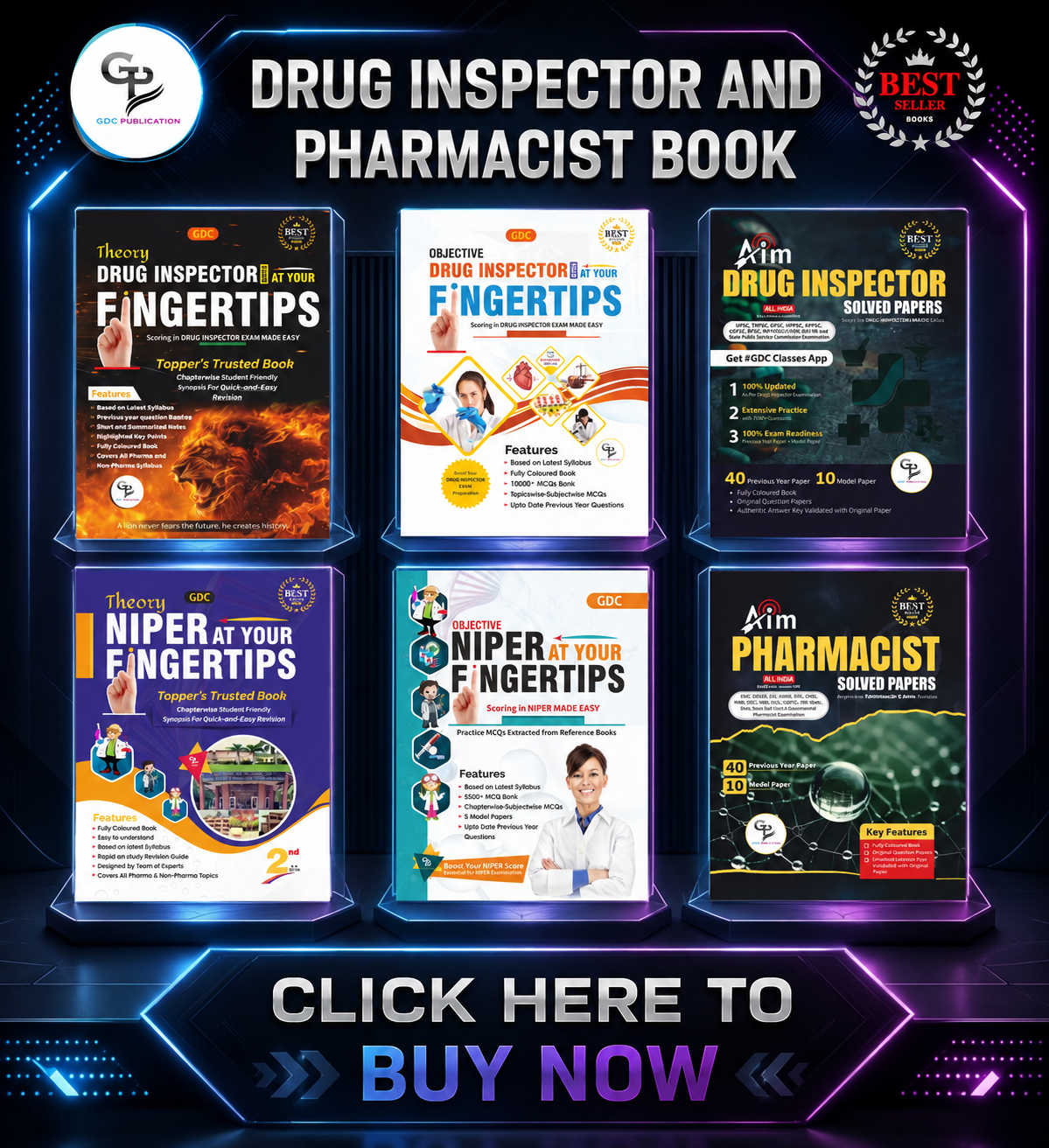
Recommended Books for TNPSC Drug Inspector 2026
Pharmacology
- KD Tripathi
Pharmaceutics
- Lachman & Lieberman
- Ansel
Pharmacognosy
- Kokate
Pharmaceutical Analysis
- Chatwal & Anand
Microbiology
- Pelczar
Drug Laws
- Bare Drugs & Cosmetics Act
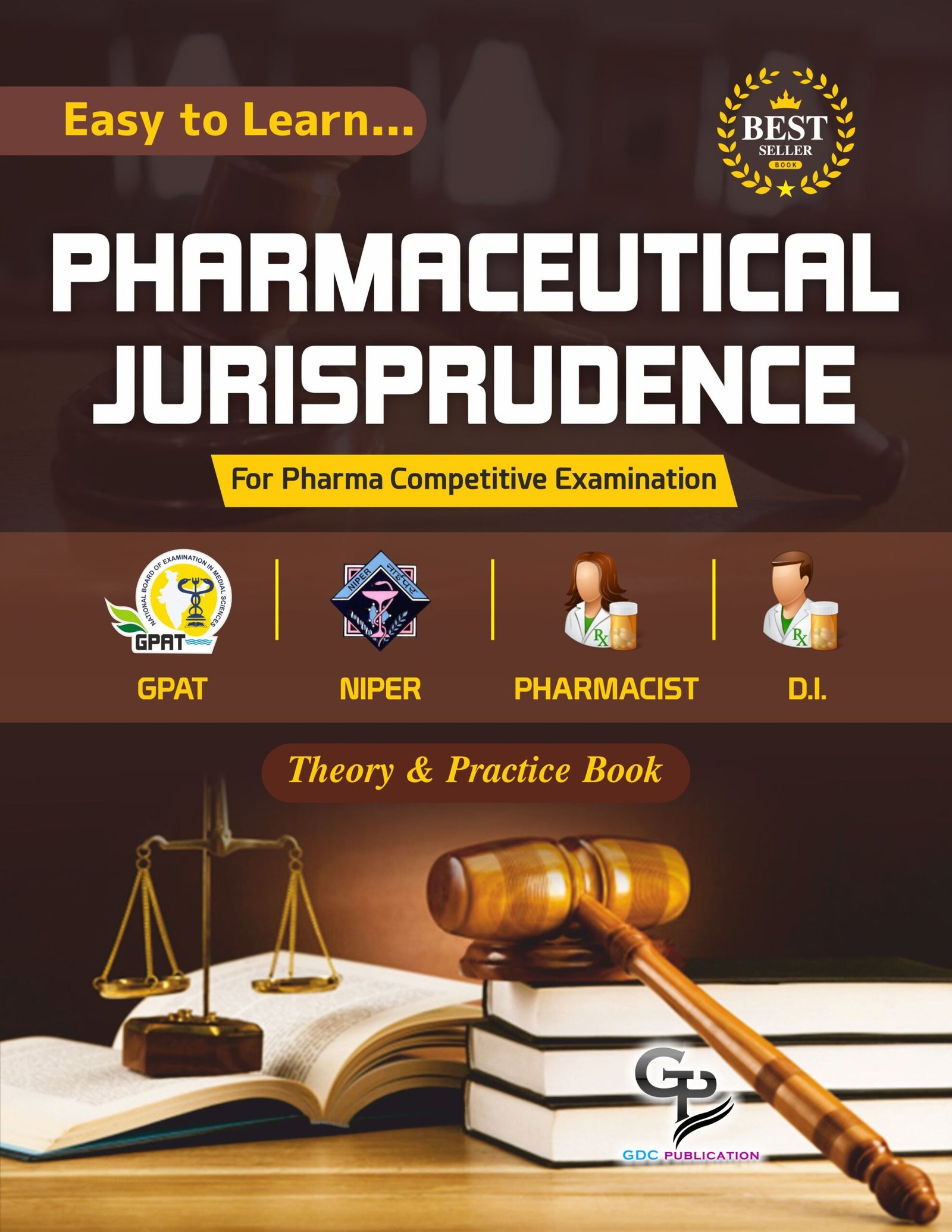
- Pharmaceutical Jurisprudence Textbooks
Common Mistakes to Avoid
❌ Ignoring Drug Laws
❌ Skipping Revision
❌ Studying without MCQ practice
❌ Avoiding Mock Tests
❌ Depending only on Notes
❌ Not analyzing weak subjects
Last 30 Days Strategy
Focus only on:
- Revision
- Mock Tests
- Important Schedules
- Drug Laws
- Pharmacology Classifications
- Frequently Asked MCQs
Avoid starting new books during the final month.
Final Words
The TNPSC Drug Inspector 2026 Exam is a golden opportunity for Pharmacy graduates seeking a prestigious government career. Success depends on systematic preparation, strong conceptual understanding, regular MCQ practice, and multiple revisions. Start early, stay consistent, and focus particularly on Pharmacology, Pharmaceutics, Microbiology, and Drug Laws, as these subjects form the backbone of the examination syllabus. With a disciplined study plan and continuous practice, clearing TNPSC Drug Inspector 2026 in the first attempt is absolutely achievable.
Recommended Products