


MHRA Intensifies Crackdown on Unlicensed Weight Loss Medicines
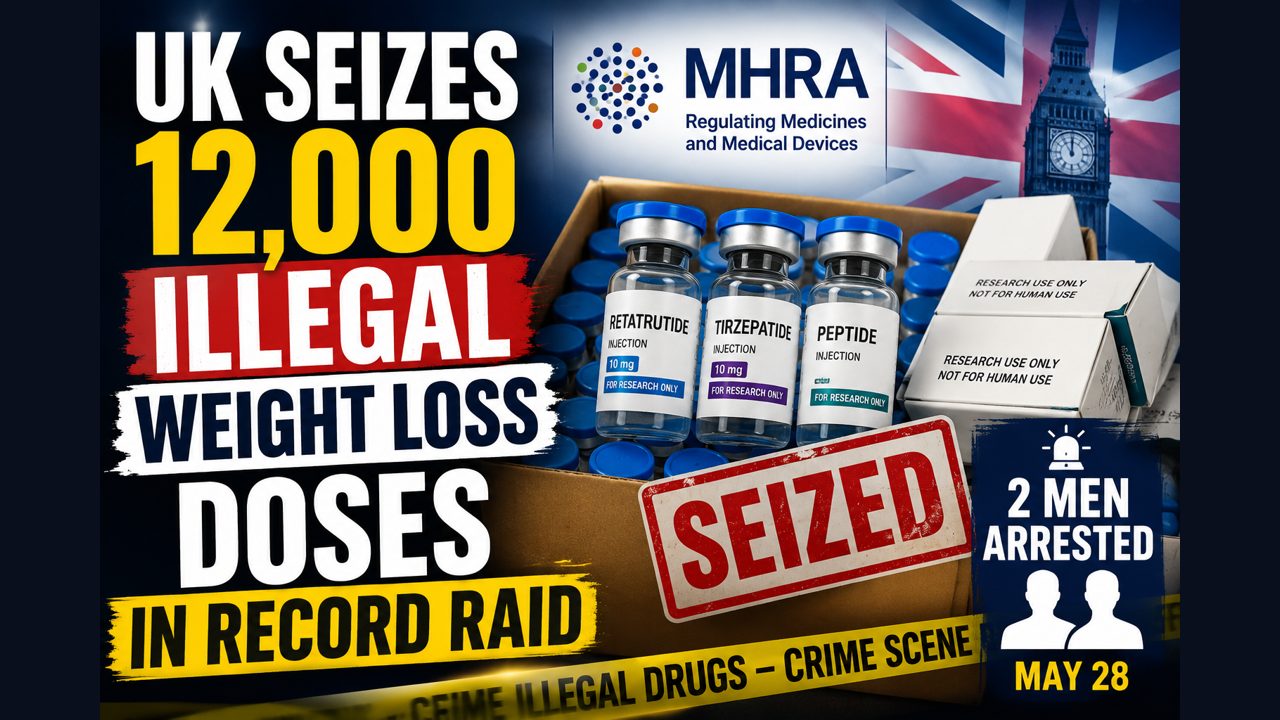
In one of the largest pharmaceutical enforcement operations in recent years, the UK’s Medicines and Healthcare products Regulatory Agency (MHRA) has seized approximately 12,000 doses of illegal weight loss medicines during a major raid near Northampton. The operation, conducted on May 28, resulted in the arrest of two 29-year-old men suspected of violating the Human Medicines Regulations 2012.
The record-breaking seizure highlights growing concerns surrounding the illegal manufacturing and distribution of unlicensed weight loss drugs, particularly amid increasing consumer demand for treatments targeting obesity and weight management.
Key Highlights of the Operation
| Particulars | Details |
|---|---|
| Regulatory Authority | Medicines and Healthcare products Regulatory Agency (MHRA) |
| Date of Raid | May 28 |
| Location | Near Northampton, United Kingdom |
| Doses Seized | Approximately 12,000 |
| Arrests Made | Two men, aged 29 |
| Applicable Law | Human Medicines Regulations 2012 |
| Products Found | Retatrutide, Tirzepatide, Peptide Products |
| Status | Investigation Ongoing |
What Investigators Discovered
MHRA enforcement officers, working alongside Northamptonshire Police, uncovered a large-scale manufacturing and distribution facility producing unlicensed pharmaceutical products.
Authorities discovered:
- Thousands of doses of unlicensed weight loss medicines
- Manufacturing equipment used for pharmaceutical production
- Large quantities of packaging materials
- Active pharmaceutical substances
- Distribution materials intended for illegal supply networks
Officials believe the facility was operating as a significant production hub supplying unauthorized weight loss medications across various channels.
Understanding the Drugs Involved
Products Seized During the Raid
| Drug/Product | Intended Use |
|---|---|
| Retatrutide | Experimental weight management treatment |
| Tirzepatide | Diabetes and weight management therapy |
| Peptide Products | Various therapeutic and performance-related uses |
While some of these medicines are under clinical evaluation or approved under specific regulatory conditions, the products seized were allegedly manufactured and distributed without appropriate authorization, quality controls, or regulatory oversight.

Why Unlicensed Weight Loss Medicines Are Dangerous
Health authorities warn that unlicensed medicines can pose significant risks to consumers due to the absence of regulatory review and quality assurance processes.
Potential Risks
| Risk Category | Potential Impact |
|---|---|
| Unknown Ingredients | Contamination or substitution risks |
| Improper Dosing | Under-dosing or overdose concerns |
| Lack of Quality Testing | Manufacturing inconsistencies |
| Safety Concerns | Increased risk of adverse reactions |
| Counterfeit Components | Unverified active ingredients |
| Absence of Medical Supervision | Unsafe usage patterns |
Unlike approved medicines, unlicensed products may not undergo rigorous testing for safety, effectiveness, purity, or manufacturing standards.
Rising Demand Fueling Illegal Markets
The global surge in demand for weight loss medications has created opportunities for criminal organizations seeking to profit from consumers searching for rapid weight-management solutions.
The popularity of newer obesity treatments has significantly increased online sales activity, leading regulators worldwide to intensify monitoring of unauthorized suppliers and counterfeit pharmaceutical products.
Factors Driving Illegal Sales
- Increased demand for weight loss treatments
- Limited availability of approved products
- High consumer interest in newer therapies
- Growth of online pharmaceutical marketplaces
- Social media promotion of unverified products
MHRA’s Ongoing Enforcement Efforts
The Northampton operation forms part of a broader strategy by the MHRA to disrupt illegal pharmaceutical supply chains and protect public health.
Recent enforcement actions include:
| Initiative | Purpose |
|---|---|
| Pharmaceutical Raids | Disrupt illegal manufacturing |
| Online Monitoring | Identify unauthorized sellers |
| International Cooperation | Target cross-border networks |
| Product Seizures | Remove unsafe medicines |
| Public Awareness Campaigns | Educate consumers on risks |
The agency continues working with law enforcement partners to identify and dismantle networks involved in the illegal pharmaceutical trade.
Global Efforts Against Illegal Medicines
The MHRA’s actions align with broader international efforts to combat counterfeit and unlicensed medicines.
One notable example is Operation Pangea, a global initiative involving multiple countries aimed at disrupting illegal online pharmaceutical sales. Recent operations have resulted in millions of illicit medicines being seized worldwide, demonstrating the scale of the challenge facing regulators.
Legal Implications
Under the Human Medicines Regulations 2012, it is illegal to manufacture, distribute, or sell medicinal products without the necessary regulatory approvals.
Potential violations include:
- Manufacturing unlicensed medicines
- Supplying unauthorized pharmaceutical products
- Misrepresenting medicinal products
- Operating without required regulatory permissions
Investigators are continuing to examine the full scope of the Northampton operation and its distribution network.
Advice for Consumers
Healthcare regulators strongly encourage consumers to obtain medicines only from licensed pharmacies and authorized healthcare providers.
Before Purchasing Any Weight Loss Medicine
✔ Verify the source of the product
✔ Consult a qualified healthcare professional
✔ Avoid products sold through unverified websites
✔ Check regulatory approvals
✔ Report suspicious medicines to authorities
✔ Monitor for adverse effects and seek medical advice if necessary
Consumers experiencing side effects from medicines are encouraged to report them through official pharmacovigilance reporting systems.
Conclusion
The MHRA’s seizure of 12,000 doses of illegal weight loss medicines represents a significant step in the fight against unauthorized pharmaceutical manufacturing and distribution. As demand for weight management therapies continues to rise, regulators are intensifying efforts to protect consumers from potentially dangerous products entering the market.
The operation serves as a reminder that purchasing medicines from unauthorized sources can carry serious health risks. Regulatory authorities worldwide remain committed to ensuring that pharmaceutical products meet established safety, quality, and efficacy standards before reaching patients.
Recommended Products