

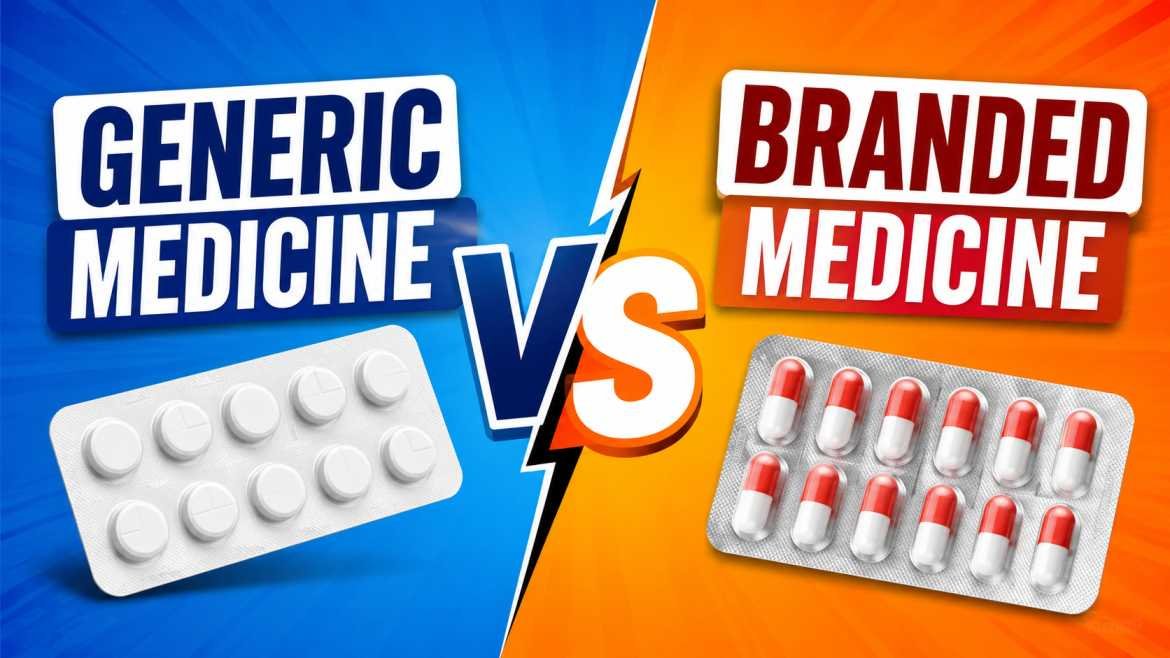

When you walk into a pharmacy, you often see two options for the same treatment — a branded medicine and a generic medicine. One is usually expensive, while the other costs much less. This naturally raises an important question:
Are generic medicines really as effective and safe as branded medicines?
The short answer is yes. But understanding why requires a closer look at how medicines are made, approved, and marketed.
What Are Branded Medicines?
Branded medicines are drugs sold under a company’s proprietary brand name. These medicines are usually developed by pharmaceutical companies after years of research, clinical trials, and regulatory approvals.
For example, a company may develop a medicine with the active ingredient paracetamol and sell it under a popular brand name.
Key Features of Branded Medicines
- Developed and marketed by pharmaceutical companies
- Protected by patents for a certain period
- Often heavily advertised
- Usually more expensive
- Recognized by brand identity and packaging
The higher cost often includes:
- Research and development expenses
- Marketing and advertising
- Distribution and branding costs

What Are Generic Medicines?
Generic medicines contain the same active ingredient, strength, dosage form, and intended use as branded medicines. They are introduced after the patent of the branded drug expires.
Key Features of Generic Medicines
- Same active ingredient as branded drugs
- Same therapeutic effect
- Approved by regulatory authorities
- Much more affordable
- Sold under the chemical or generic name
For example:
- Branded: Crocin
- Generic: Paracetamol
Both work in the same way to reduce fever and pain.
Generic vs Branded Medicine: Major Differences
| Feature | Generic Medicine | Branded Medicine |
|---|---|---|
| Active Ingredient | Same | Same |
| Effectiveness | Same | Same |
| Safety Standards | Same regulatory standards | Same regulatory standards |
| Price | Lower | Higher |
| Packaging | Simple | Attractive branding |
| Advertising | Minimal | Extensive marketing |
| Availability | Increasing rapidly | Widely available |
Why Are Generic Medicines Cheaper?
One of the biggest reasons people choose generic medicines is affordability.
Generic manufacturers do not spend heavily on:
- Drug discovery research
- Large-scale advertising campaigns
- Brand promotion
Because of this, they can sell medicines at significantly lower prices while maintaining the same medical effectiveness.
In countries like India, generic medicines are helping millions of patients access affordable healthcare.
Are Generic Medicines Safe?
Yes. Generic medicines must meet strict quality, safety, and efficacy standards before they are approved for sale.
Regulatory authorities ensure that generic medicines:
- Contain the same active ingredient
- Work the same way in the body
- Meet manufacturing quality standards
- Deliver the same therapeutic benefits
In many cases, doctors and pharmacists confidently prescribe generic medicines for common treatments.
Common Myths About Generic Medicines
Myth 1: Generic medicines are less effective
Reality: They contain the same active ingredient and provide the same therapeutic effect.
Myth 2: Generic medicines are low quality
Reality: Approved generics must follow strict manufacturing and safety standards.
Myth 3: Branded medicines work faster
Reality: The effectiveness depends on the active ingredient, not the brand name.
Myth 4: Cheap medicines are inferior
Reality: Lower cost mainly reflects reduced marketing and branding expenses.
When Should You Choose Generic Medicines?
Generic medicines are an excellent option when:
- You want affordable treatment
- You require long-term medication
- Your doctor or pharmacist recommends them
- The generic version is approved and available
However, always consult a healthcare professional before switching medicines, especially for:
- Chronic illnesses
- Specialized treatments
- Critical care medications
Advantages of Generic Medicines
1. Affordable Healthcare
Generic medicines significantly reduce medical expenses.
2. Wider Access
More people can afford essential treatments.
3. Same Medical Benefits
Patients receive the same therapeutic results as branded medicines.
4. Supports Public Health
Lower medicine costs improve healthcare accessibility across communities.
Advantages of Branded Medicines
Branded medicines also have certain benefits:
- Strong consumer trust
- Easier recognition
- Extensive clinical documentation
- Wide availability in some markets
Some patients may prefer branded medicines due to familiarity or doctor recommendation.
Final Thoughts
The debate between generic and branded medicines often comes down to cost and perception rather than effectiveness.
In reality:
- Both are designed to treat the same condition
- Both must meet safety and quality standards
- Generic medicines offer a cost-effective alternative without compromising results
For many patients, generic medicines provide an affordable path to quality healthcare.
The best choice is always one made with proper medical guidance, awareness, and informed decision-making.
Frequently Asked Questions (FAQs)
Are generic medicines identical to branded medicines?
Generic medicines contain the same active ingredients and provide the same therapeutic effect, though packaging and appearance may differ.
Why do doctors prescribe branded medicines?
Some doctors may prefer brands they are familiar with, while others prescribe generics to reduce treatment costs.
Can I switch from branded to generic medicine?
In many cases, yes — but always consult your doctor or pharmacist first.
Do generic medicines take longer to work?
No. Approved generic medicines work in the same way as branded medicines.
Are generic medicines available for all diseases?
Not all medicines have generic versions yet, but availability continues to grow globally.
Recommended Products